🎯Basically, AI is helping the Space Force improve its cybersecurity checks faster and more effectively.
What Happened
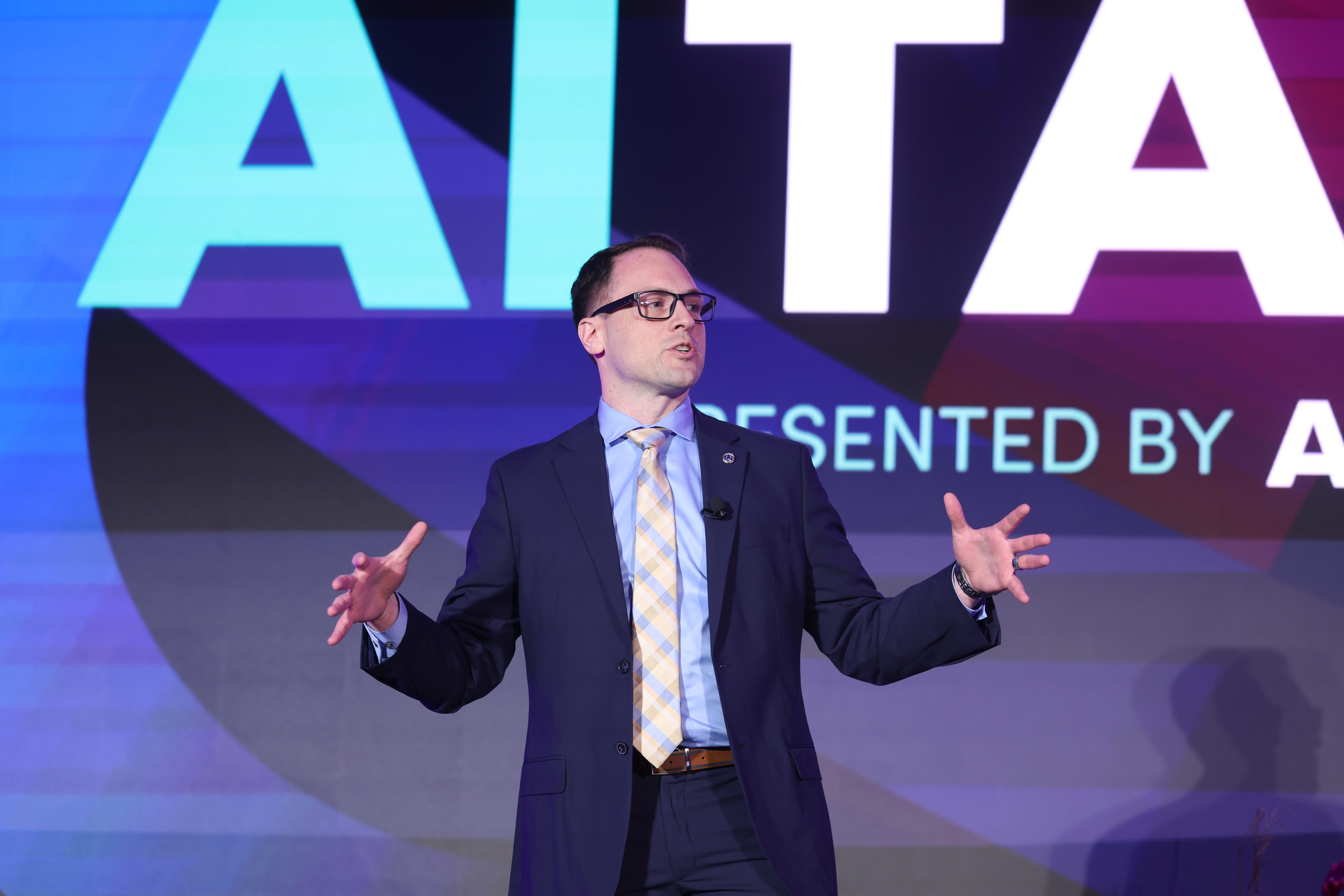
Seth Whitworth, the acting Chief Information Security Officer for the Space Force, recently discussed how AI is reshaping cyber compliance. During the AI Talks event, he highlighted that AI tools, particularly Large Language Models, are changing how organizations assess and manage cyber risks. Instead of merely checking boxes for compliance, AI allows for a more dynamic and effective approach.
The Shift in Cyber Compliance
Whitworth noted that traditional compliance processes often took months to complete. For example, obtaining Authorities to Operate could take anywhere from 3 to 18 months. With AI, this process has been streamlined significantly, now achievable in just weeks or even days. This efficiency allows program managers to better utilize data and make informed decisions about cybersecurity in real time.
Identifying Vulnerabilities
One key advantage of AI is its ability to detect minor but critical vulnerabilities that could be exploited by adversaries. Whitworth emphasized that attackers often look for small misconfigurations or outdated systems rather than large vulnerabilities. By leveraging AI, organizations can identify these issues proactively, reducing the risk of breaches.
Addressing Concerns
Despite the benefits, Whitworth acknowledged the fear and skepticism surrounding AI in cybersecurity. Concerns about AI's limitations, such as hallucinations and data poisoning, remain prevalent. He stressed the importance of scrutinizing AI-generated outputs, as trusted validation is still a work in progress. However, he believes that AI provides more valuable insights into holistic cyber risks compared to traditional security assessments.
The Bigger Picture
In a highly interconnected world, moderate risks accepted in one program can affect others. AI's capability to analyze these interdependencies can lead to better overall risk management. Whitworth's insights suggest that as AI technology evolves, it will play an increasingly crucial role in enhancing cybersecurity measures across organizations.
Conclusion
The Space Force's approach to integrating AI into cyber compliance illustrates a significant shift in how organizations can manage cybersecurity. By moving away from outdated compliance methods, AI enables a more responsive and effective strategy against cyber threats. As more organizations adopt similar technologies, the landscape of cybersecurity compliance is likely to continue evolving.
🔒 Pro insight: The integration of AI in compliance processes could set a precedent for other military and government agencies, enhancing their cybersecurity posture significantly.