AI Security - Understanding Routers and Their Risks
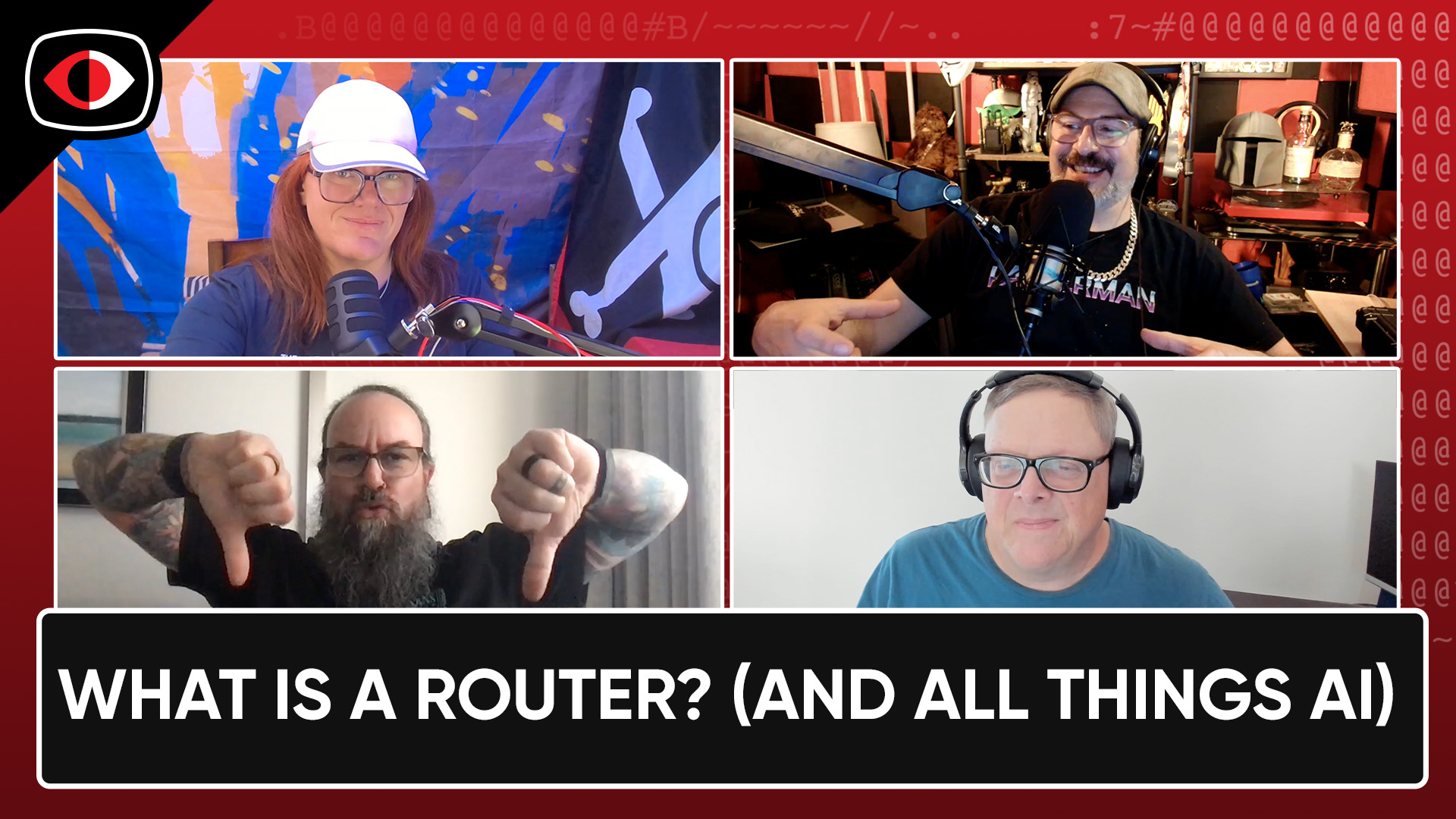
Basically, routers help connect devices to the internet, but they can be vulnerable to attacks.
AI is reshaping how we understand routers and their vulnerabilities. Recent discussions highlight security risks, including the axios breach. Stay aware to safeguard your network.
What Happened
In the latest episode of PSW, the hosts discussed various topics, including how AI is improving vulnerability detection in systems. They also touched on the BIG-IP APM vulnerability, which has escalated from a denial-of-service issue to an unauthenticated remote code execution risk. The conversation also highlighted recent supply chain attacks, notably the axios incident, where malicious versions of a popular package were published.
AI's Role in Security
AI is rapidly changing the landscape of cybersecurity. Experts noted that AI is now capable of identifying vulnerabilities more effectively than ever before. This shift means that organizations must adapt to the evolving threat landscape, as AI-driven attacks could become more prevalent.
The Router Debate
A significant part of the discussion centered around the FCC's definition of routers. The hosts debated whether devices like TVs could technically function as routers. According to the FCC, any consumer-grade device with multiple network interfaces could potentially route data packets if configured correctly. This raises questions about the security of such devices and the implications for consumers.
Who's Affected
The implications of these discussions affect everyone from casual internet users to IT professionals. With AI enhancing the ability to exploit vulnerabilities, organizations must be vigilant. The axios supply chain breach serves as a reminder of how even widely used libraries can be compromised, impacting millions of users.
What Data Was Exposed
While the primary focus was on vulnerabilities and risks, the axios breach specifically involved the injection of malicious code into its package, affecting users who downloaded the compromised versions. This incident emphasizes the importance of scrutinizing dependencies in software development.
What You Should Do
To protect yourself and your organization:
- Regularly update software and monitor for vulnerabilities.
- Audit dependencies to ensure they are from trusted sources.
- Educate users about the risks associated with seemingly innocuous devices like TVs that could act as routers.
- Implement security measures for all devices connected to your network to mitigate potential threats.
Conclusion
As AI continues to evolve, so does the landscape of cybersecurity. Understanding the role of routers and the risks associated with them is crucial for maintaining a secure network environment. By staying informed and proactive, individuals and organizations can better protect themselves against emerging threats.