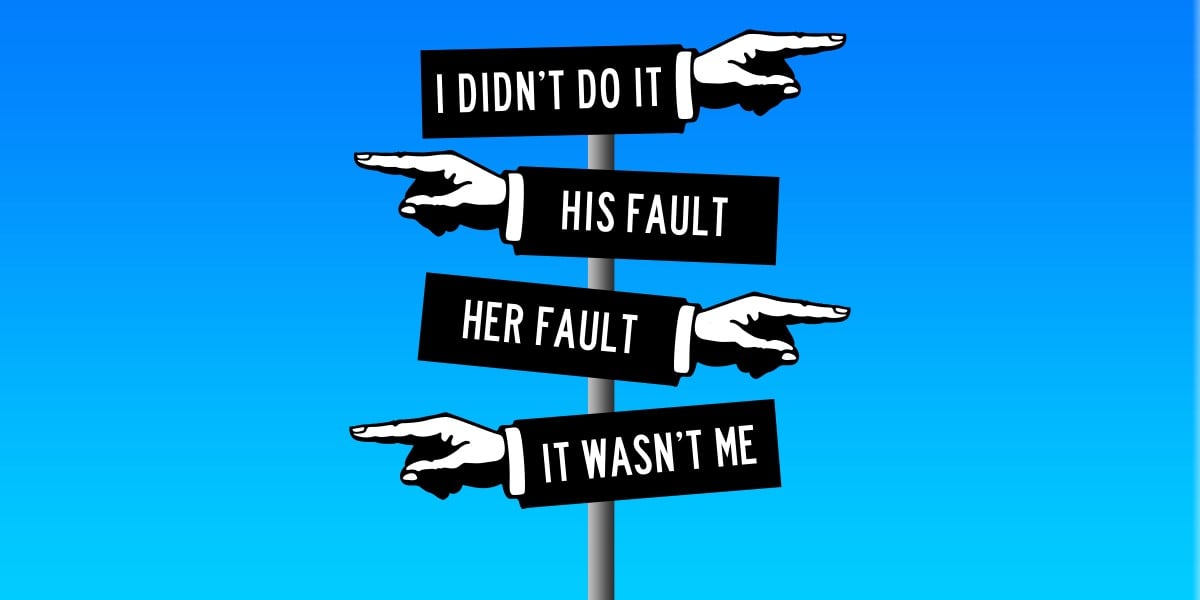
🎯Basically, AI companies are ignoring security problems in their products and saying it's not their fault.
What Happened
AI vendors are increasingly shifting the responsibility for security vulnerabilities onto users. This trend has been highlighted by recent incidents involving major AI tools from companies like Anthropic, Google, and Microsoft. When security flaws were discovered in their products, these companies often dismissed them as 'expected behavior' or 'working as intended.'
Security Flaws in AI Tools
For instance, researchers found that three popular AI agents integrated with GitHub Actions could be exploited to steal sensitive information like API keys. Despite paying bug bounties to researchers who reported these issues, none of the vendors issued CVEs or public advisories to warn users.
Anthropic, in particular, has faced criticism for its handling of a design flaw in its Model Context Protocol (MCP), which could potentially compromise up to 200,000 servers. The company has repeatedly stated that the protocol functions as designed, despite the existence of multiple high-severity CVEs related to it.
Who's Affected
The lack of accountability from AI vendors primarily impacts developers and organizations that rely on these AI tools. Companies integrating these AI systems into their environments are left to manage the risks associated with these vulnerabilities without adequate support or guidance from the vendors themselves.
Implications for the Industry
This pattern raises serious concerns about the maturity and responsibility of AI companies. The expectation that users should handle security flaws in complex AI systems is not only unfair but also dangerous. As the AI landscape continues to evolve, the absence of federal regulations further complicates the issue, allowing companies to operate without stringent accountability measures.
What You Should Do
Organizations using AI tools should take proactive steps to assess their security posture. This includes:
Do Now
- 1.Conducting regular security audits of AI systems.
- 2.Staying informed about known vulnerabilities and applying patches when available.
Do Next
Conclusion
The trend of AI vendors deflecting responsibility for security vulnerabilities is troubling. It highlights a significant gap in accountability that could expose users to serious risks. As the industry matures, it is crucial for AI companies to take ownership of their products and prioritize user security.
🔒 Pro insight: The ongoing deflection of security responsibility by AI vendors could lead to increased regulatory scrutiny and demand for accountability in the future.