🎯Basically, CISO jobs differ widely based on many factors.
What Happened
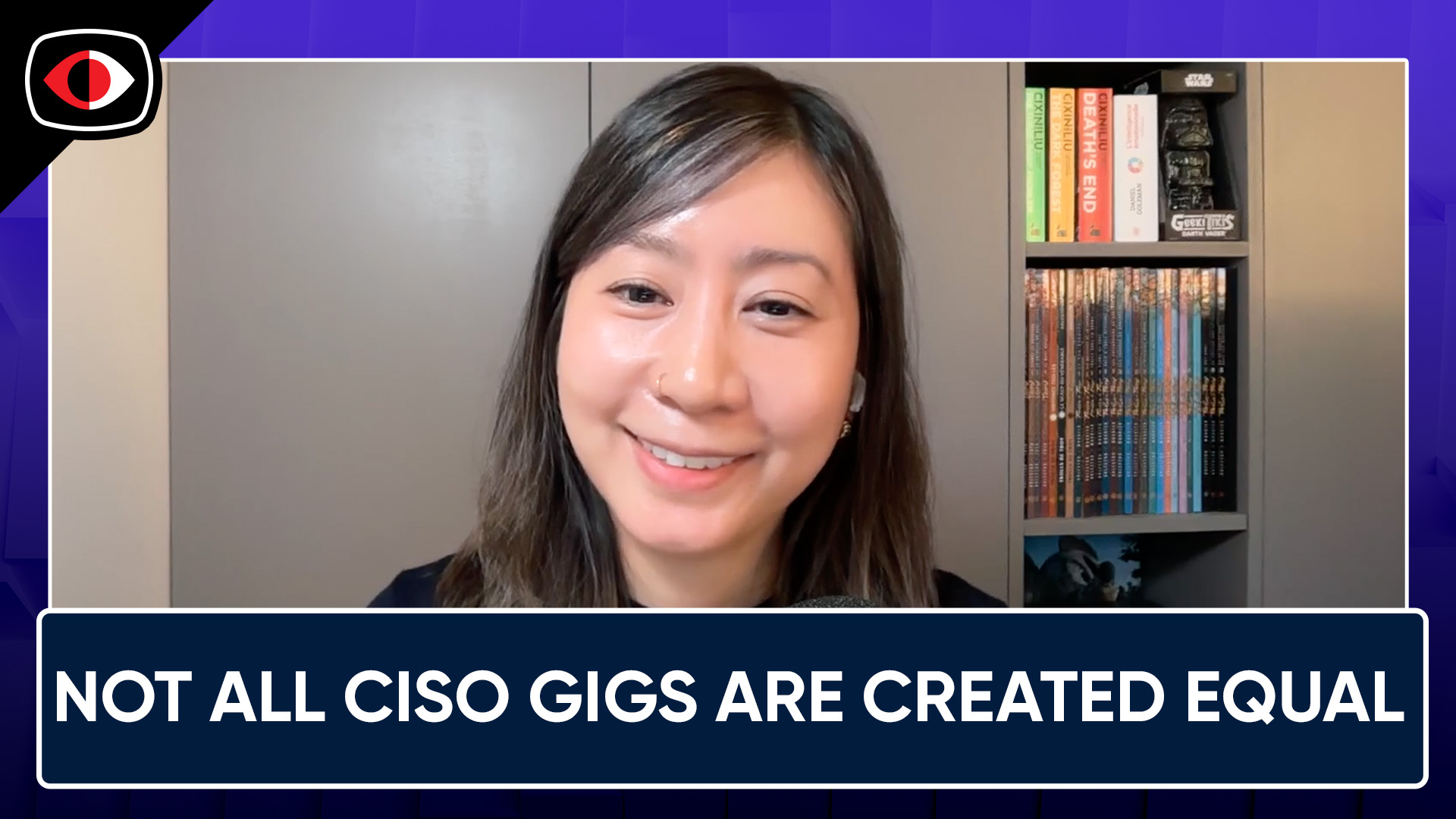
In a recent episode of Business Security Weekly, industry experts Joanna Chen, Tony Anscombe, and Rob Juncker discussed the diverse landscape of Chief Information Security Officer (CISO) roles and the evolving threats in cybersecurity. Joanna Chen, CISO at Dashlane, highlighted how the responsibilities of a CISO can vary significantly depending on industry, geographic location, and whether the role is more technical or business-oriented.
Insights on CISO Roles
Joanna shared her experiences as a technical CISO in a foreign country, noting that many of her peers did not have a technical background. This variation in expertise can impact how CISOs approach their roles and manage security programs. She emphasized the importance of understanding the skills that can make or break a CISO's effectiveness in their position.
Evolving Ransomware Landscape
Tony Anscombe from ESET provided insights into the rapidly changing ransomware and eCrime landscape. He discussed how ransomware gangs are increasingly using EDR Killers to disable cybersecurity tools, making it imperative for organizations to adapt their defenses. ESET's research team has been closely monitoring these developments, highlighting the need for businesses to combat financial risks associated with these threats.
The Human Element in Cybersecurity
Rob Juncker from Mimecast addressed the growing concern around sensitive data exposure due to the rise of generative AI tools. According to Mimecast's State of Human Risk 2026 report, 80% of organizations are worried about data exposure, yet 60% lack strategies to mitigate AI-driven threats. Juncker stressed that human behavior is now a critical factor in enterprise cybersecurity, and organizations must adapt their security architectures to address these new risks without hindering business operations.
Conclusion
The discussions from this episode underscore the complexities of the CISO role and the evolving nature of cybersecurity threats. As organizations face increasing challenges from ransomware and AI-driven risks, understanding the nuances of CISO responsibilities and the importance of human factors in security will be essential for effective risk management.
🔒 Pro insight: The divergence in CISO roles reflects the need for tailored security strategies in an increasingly complex threat landscape.