Cryptocurrency Scam - $45 Million Disrupted in Operation Atlantic
Significant risk — action recommended within 24-48 hours
Basically, law enforcement stopped a huge cryptocurrency scam and helped victims recover some of their lost money.
A massive $45 million cryptocurrency scam was disrupted, with $12 million returned to victims. Law enforcement identified over 20,000 fraud-linked wallet addresses across 30 countries. This highlights the growing threat of cryptocurrency fraud and the importance of vigilance.
What Happened
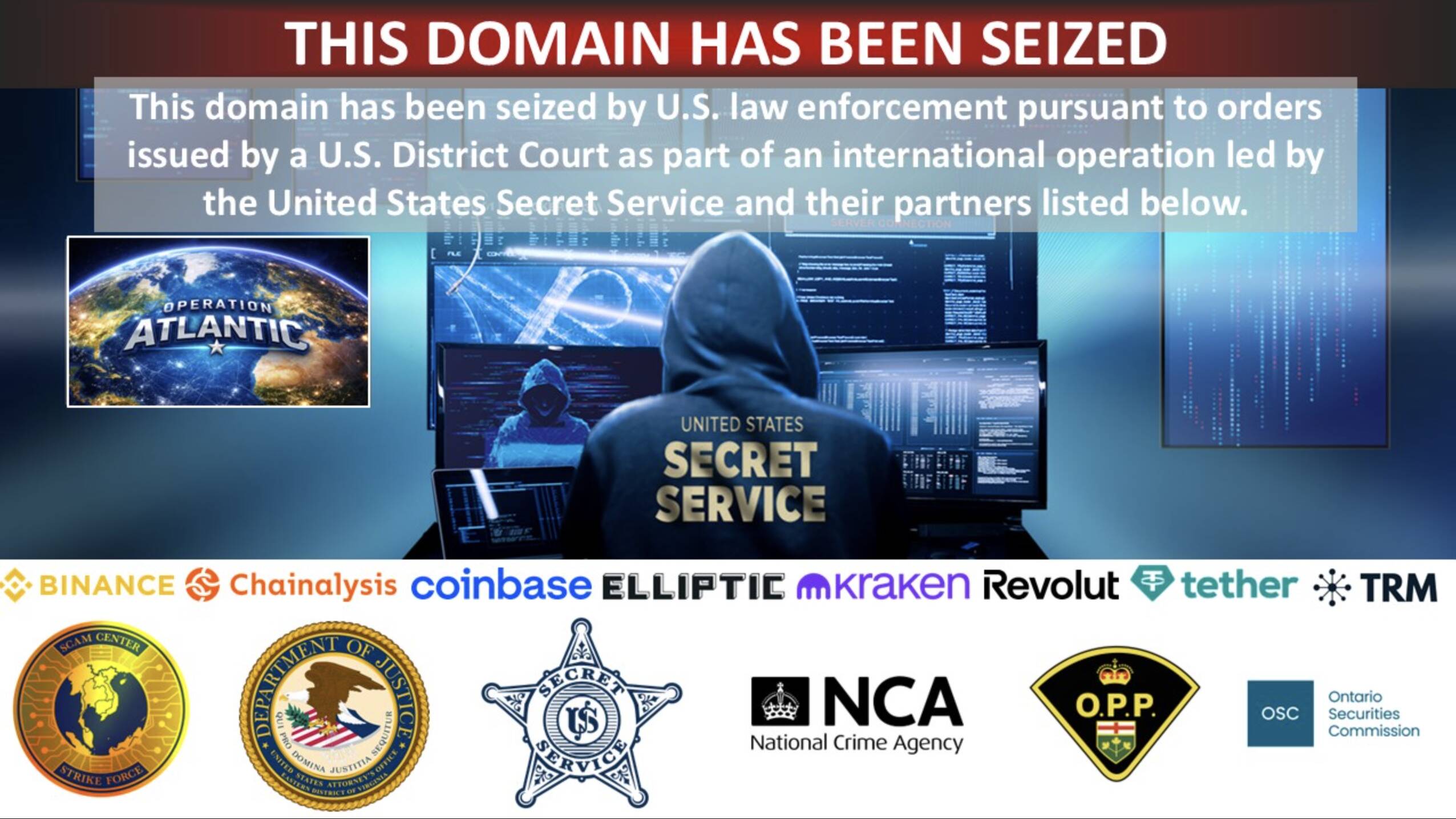
On April 9, 2026, law enforcement agencies from the US, UK, and Canada announced the disruption of a $45 million global cryptocurrency scam. This operation, named Operation Atlantic, resulted in the freezing of $12 million in stolen funds and the identification of over 20,000 cryptocurrency wallet addresses linked to victims across 30 countries.
Who's Affected
More than 3,000 victims were directly contacted during this operation. These individuals had unknowingly fallen prey to what are known as "pig butchering" scams. In these scams, victims are tricked into giving criminals full access to their cryptocurrency accounts, often through fake notifications that appear to be from legitimate services.
What Data Was Exposed
The operation uncovered an additional $33 million believed to be linked to various investment fraud schemes. This highlights the extensive nature of the fraud and the number of victims affected.
What You Should Do
If you suspect you may have been a victim of a cryptocurrency scam, consider the following steps:
- Review your cryptocurrency accounts for any unauthorized transactions.
- Change your passwords and enable two-factor authentication if you haven’t already.
- Contact your cryptocurrency service provider for assistance and to report any suspicious activity.
The Significance
This operation underscores the importance of international collaboration in combating cryptocurrency fraud. Brent Daniels, assistant director for the US Secret Service's Office of Field Operations, emphasized that the operation prevented millions in potential fraud losses and disrupted ongoing fraudulent transactions. The FBI reported a significant increase in cryptocurrency-related complaints, with losses reaching $1.366 billion in 2025 alone, marking a 22 percent increase from the previous year.
Conclusion
The success of Operation Atlantic serves as a crucial reminder of the ongoing risks associated with cryptocurrency investments. As scams become more sophisticated, it is essential for individuals to remain vigilant and informed about potential threats in the digital currency space.
🔍 How to Check If You're Affected
- 1.Check your cryptocurrency account for unauthorized transactions.
- 2.Enable two-factor authentication on your accounts.
- 3.Contact your service provider for any suspicious activities.
🔒 Pro insight: The rise in cryptocurrency scams reflects broader trends in cybercrime, necessitating enhanced security measures and public awareness.