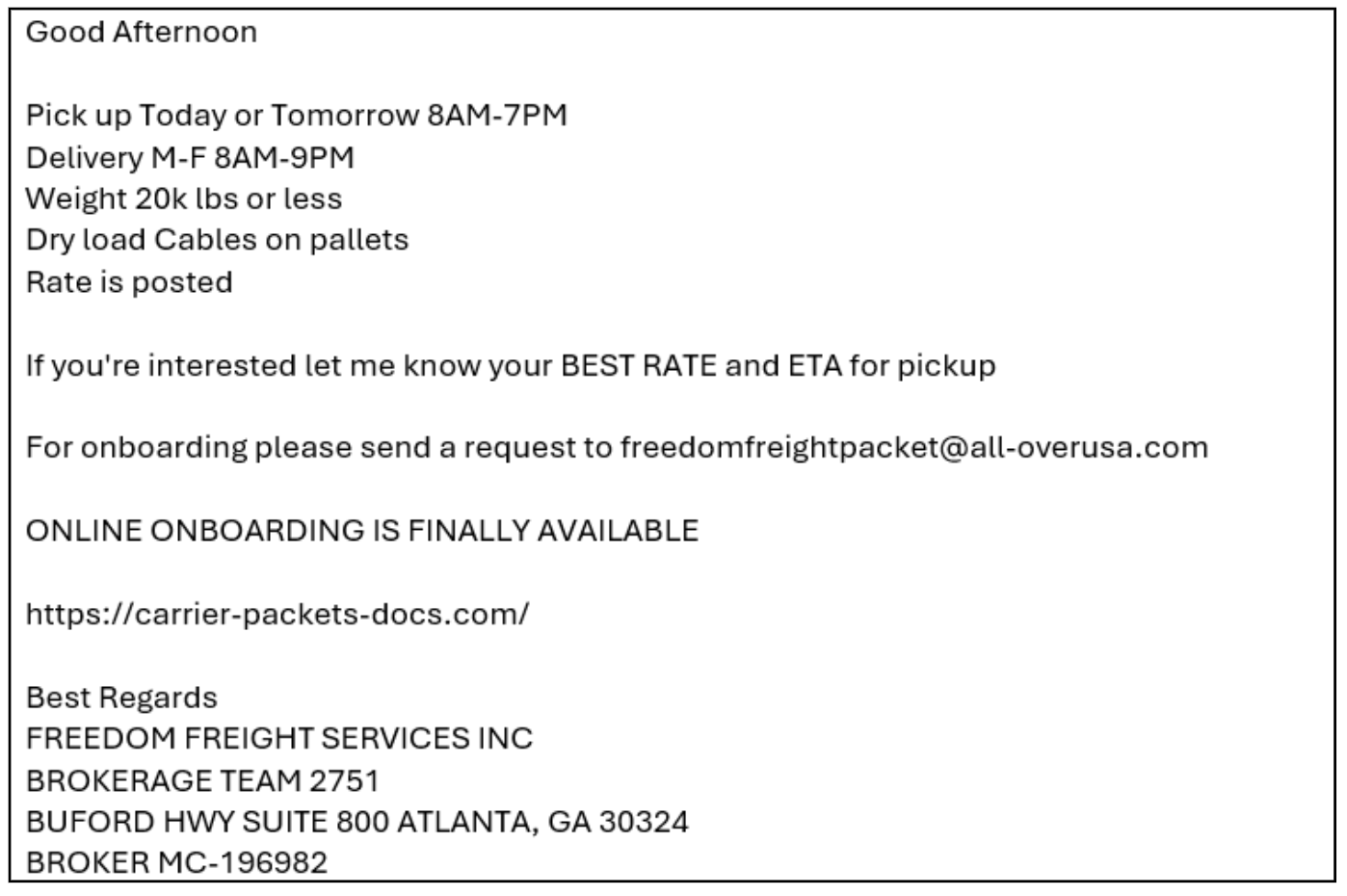
🎯Basically, scammers send fake data breach alerts to trick you into giving them your personal information.
What Happened
Data breach notifications have become increasingly common, with 3,322 breaches reported in the US last year alone. This surge has created a ripe environment for scammers, who are now leveraging these alerts to deceive individuals. As people become more vigilant about potential breaches, they may inadvertently fall for fake notifications that appear legitimate.
How Scammers Operate
Scammers employ two primary tactics:
- Piggybacking on Real Breaches: They wait for a legitimate breach to occur and then send out fake notifications, making it easier for victims to believe the scam.
- Inventing Fake Breaches: They create entirely fictitious breach notifications, often impersonating well-known brands or even the victim's workplace IT department.
These scams are increasingly sophisticated, utilizing AI tools to craft realistic-looking notifications that mimic the tone and branding of real alerts. The ultimate goal is often to trick victims into clicking malicious links or providing sensitive information.
Spotting the Red Flags
Identifying fake breach notifications can be straightforward if you know what to look for. Here are some common indicators:
- Urgency: Scammers often create a false sense of urgency, claiming immediate action is required to protect your data.
- Unusual Sender Email: Look for typos or strange domains in the sender's email address, which can indicate spoofing.
- Poor Grammar: While AI is improving, many scams still contain grammatical errors or awkward phrasing.
- Vague Details: Legitimate notifications usually include specific information about your account, which scammers often lack.
Staying Safe
To protect yourself from these scams, take the following precautions:
- Verify Notifications: If you receive a notice, check directly with the organization by visiting their official website or contacting them through verified channels.
- Use Security Tools: Consider identity protection services and reputable security software that can help identify breaches.
- Implement Strong Security Practices: Use unique passwords stored in a password manager and enable multi-factor authentication (MFA) for added security.
Victims: Do This Now
If you suspect you've fallen victim to a scam:
- Change Your Passwords: Update any credentials you may have shared.
- Enable MFA: Activate multi-factor authentication on sensitive accounts.
- Run a Malware Scan: Use trusted security software to check for infections.
- Monitor Financial Accounts: Keep an eye out for unusual activity and notify your bank if necessary.
- Report the Incident: Contact relevant authorities like the FTC in the US or local equivalents elsewhere.
As data breach notifications continue to rise, it's crucial to remain vigilant and discerning. By understanding how to spot fake alerts, you can protect yourself from fraud and ensure that legitimate notifications are taken seriously.
🔒 Pro insight: As data breach notifications proliferate, the risk of falling for scams increases; vigilance is key to avoiding identity theft.