🎯The Arab Spring showed how people can use the internet to protest and fight for their rights. But now, many governments have learned to use the same internet tools to watch and control people, making it harder for activists to speak out.
What Changed
The Arab Spring, which began in 2010, marked a pivotal moment in how digital tools were used for dissent. Protesters across the Middle East and North Africa utilized social media to organize and share their messages. This movement was initially celebrated as a triumph of connectivity and democracy. However, the aftermath revealed a darker side: the same tools that empowered activists also enabled governments to enhance their surveillance and censorship capabilities.
Governments quickly adapted by implementing stricter controls over the internet. They learned to monitor online activities, suppress dissent, and manipulate narratives through sophisticated digital tactics. A global surveillance industry has treated repression by many MENA governments as a growth opportunity, with tactics refined in the region now shaping digital authoritarianism worldwide. The narrative that the internet would inherently promote democracy proved overly simplistic, as repressive regimes evolved to counteract these digital uprisings.
The Evolution of Surveillance
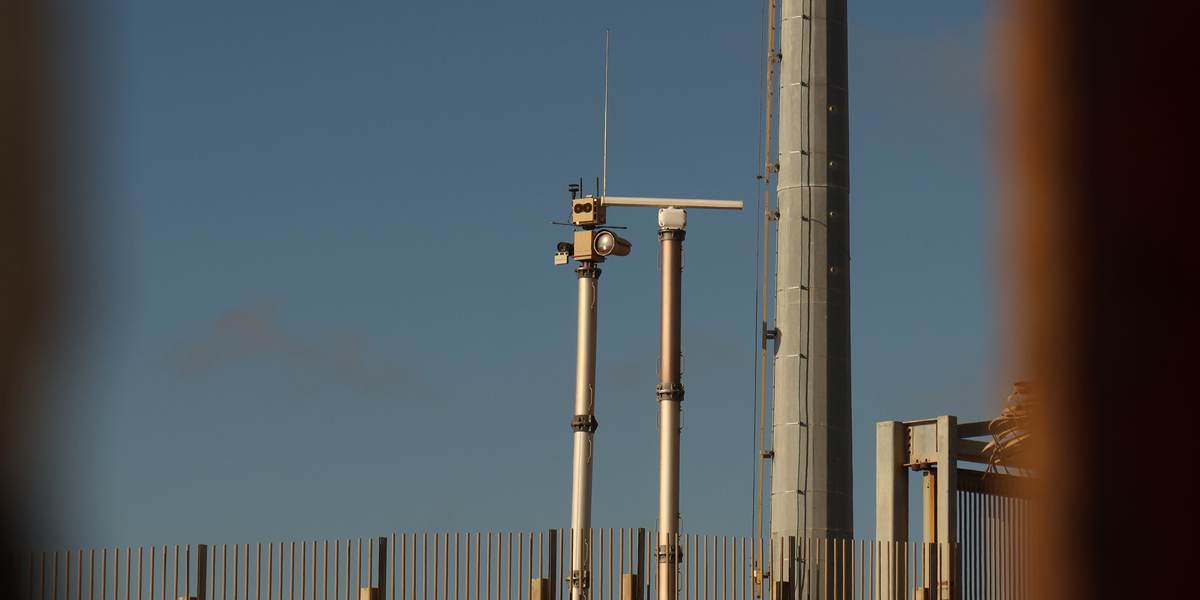
In the years following the Arab Spring, states across the region invested heavily in surveillance technologies, embedding themselves deep within the networks that activists relied upon. Security agencies upgraded older systems of repression with new surveillance tools, creating permanent monitoring infrastructures that allowed for systematic observation of online activities. This shift from reactive to pre-emptive digital control has made dissent increasingly dangerous.
How This Affects Your Data
The legacy of the Arab Spring continues to shape the digital landscape today. Governments have invested heavily in technologies to surveil their citizens, often citing national security as justification. The tools of dissent—once heralded as instruments of freedom—are now frequently used to track, harass, and prosecute those who oppose the state. Cybercrime laws and overbroad public-order offenses have created a legal framework that allows for impunity in monitoring and prosecuting dissenters.
The implications for privacy and freedom of expression are profound, as governments refine their strategies to maintain control. The rise of commercial spyware, such as that marketed by NSO Group, has further complicated the landscape, allowing governments to hack into devices and monitor communications without judicial oversight.
Who's Responsible
The evolution of digital dissent and repression is not solely the responsibility of governments. Tech companies also play a critical role in this landscape. Many platforms have faced pressure to comply with state demands, leading to a complex relationship where they must balance user privacy with regulatory compliance. This dynamic raises questions about the responsibility of these companies in protecting user data and promoting free speech. Additionally, the introduction of biometric systems and facial recognition technologies has normalized mass surveillance, erasing the line between targeted monitoring and indiscriminate observation of the public. The actions of both governments and tech companies will significantly impact the future of civil liberties. The lessons learned from the Arab Spring serve as a reminder of the need for vigilance in defending digital rights.
How to Protect Your Privacy
For individuals navigating this complex environment, there are steps to take to enhance personal privacy and security online. Utilizing VPNs can help mask online activities, while encrypted messaging apps can provide a safer means of communication. Staying informed about digital rights and advocating for policies that protect privacy are essential in this ongoing struggle.
In conclusion, the Arab Spring's legacy is a story of both hope and caution. As digital tools continue to shape political landscapes, the balance between empowerment and repression remains precarious. Understanding this legacy is crucial for anyone engaged in digital activism today.
The Arab Spring catalyzed a transformation in how governments approach digital dissent, leading to a global surveillance boom that now threatens civil liberties worldwide.