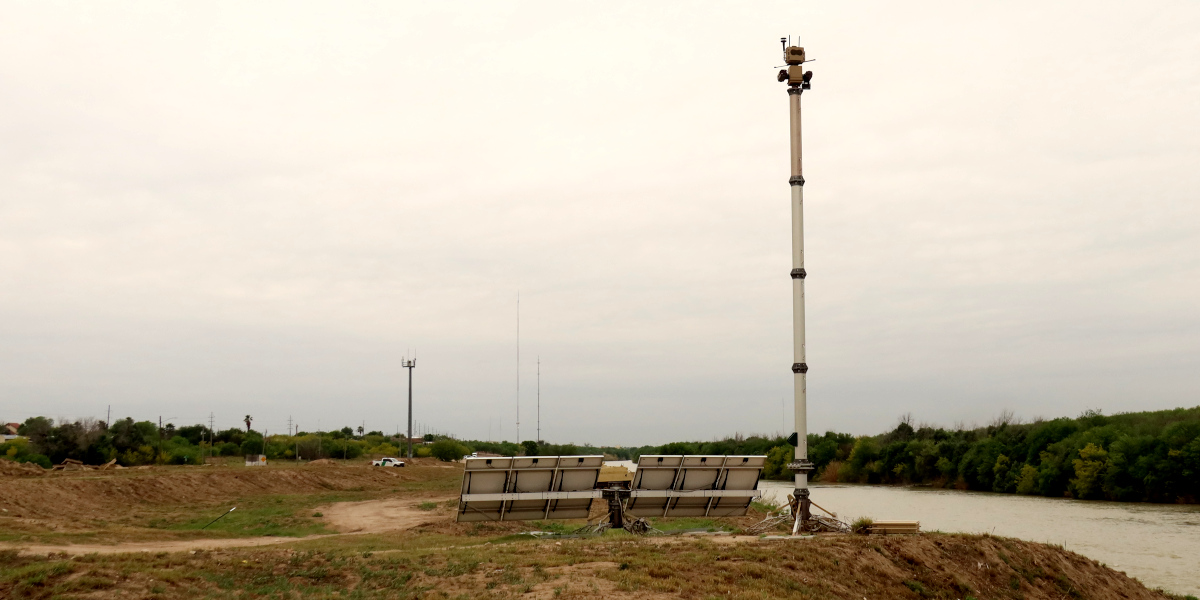
🎯Basically, the EFF updated a guide to help people recognize surveillance tech at the US-Mexico border.
What Changed
The Electronic Frontier Foundation (EFF) has published a significant update to its zine, "Surveillance Technology at the U.S.-Mexico Border." This is the first update since the second Trump administration and aims to educate the public about the various surveillance technologies used by Customs and Border Protection (CBP).
How This Affects Your Data
The guide includes new models of surveillance towers, military technology, and a gallery of disguised cameras. These technologies are often mistaken for benign objects, such as cell-phone towers or traffic barrels. The EFF emphasizes that understanding these tools is vital for protecting human rights and civil liberties.
Who's Responsible
The EFF's zine is designed for journalists, humanitarian aid workers, and immigrant advocates. It serves as a resource for those working on the ground to identify and report on surveillance technologies. The organization has gathered information through extensive research, including public records requests and satellite imagery analysis.
How to Protect Your Privacy
By raising awareness about these surveillance technologies, the EFF aims to empower individuals and organizations to advocate for their rights. The updated zine is available for purchase or download, and an updated Spanish version is expected later this year.
Industry Impact
The update reflects ongoing concerns about the implications of surveillance technology on civil liberties and human rights. As surveillance becomes more pervasive, understanding its presence and function is crucial for advocacy and accountability.
What to Watch
The EFF encourages the public to stay informed about border surveillance technologies and their implications. They also maintain an ongoing map of these technologies, which can be a valuable resource for those interested in the evolving landscape of border security.
🔒 Pro insight: The EFF's guide underscores the urgent need for transparency regarding surveillance practices at the border, which pose significant risks to civil liberties.