AI Security - Evaluate AI SOC Agents with Gartner's Insights
Basically, Gartner suggests key questions to assess AI tools for security teams.
Gartner reveals essential questions for evaluating AI SOC agents. This guidance helps teams distinguish real improvements from marketing hype, ensuring effective security operations. Don't miss out on optimizing your cybersecurity strategy!
What Happened
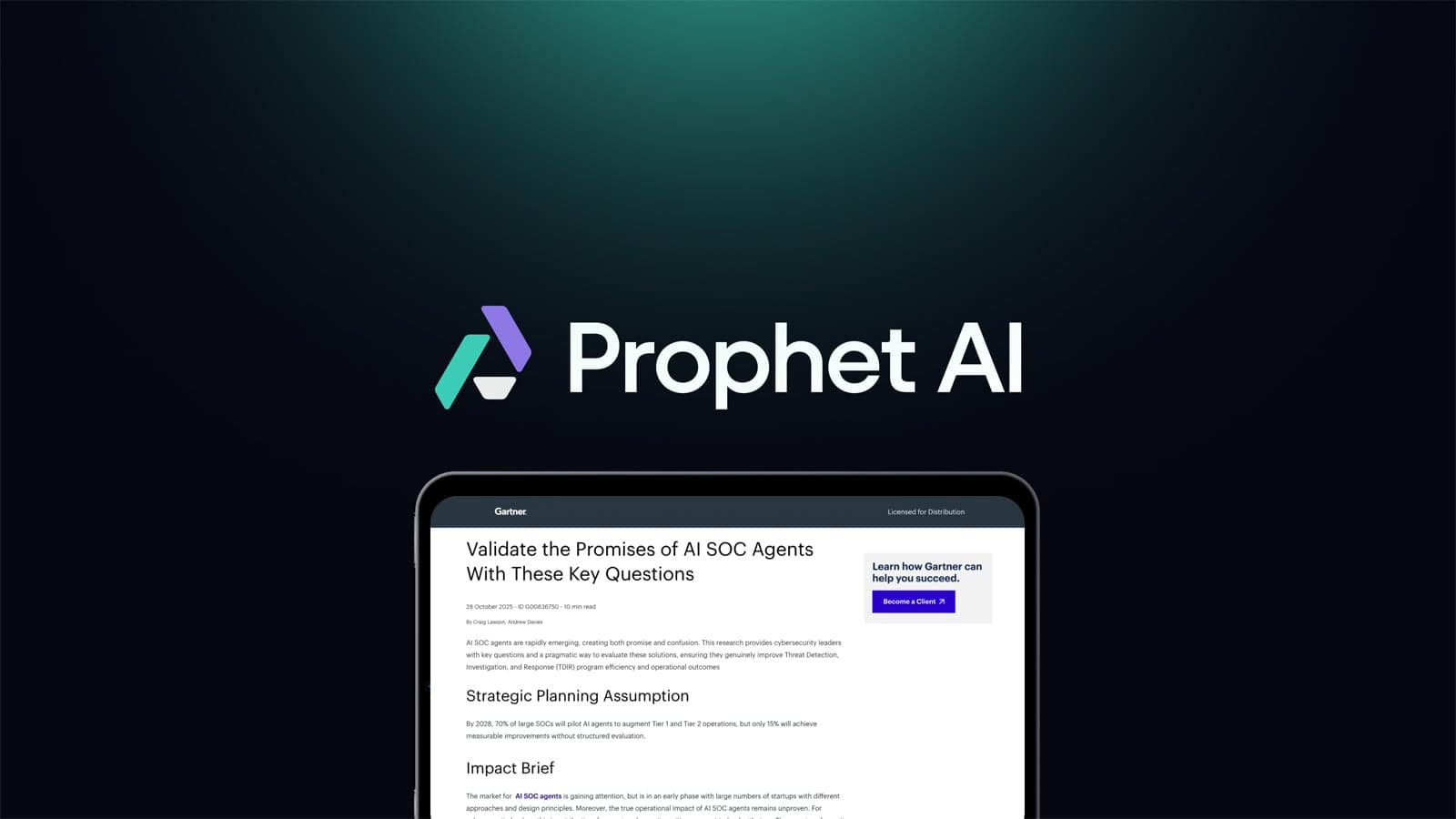
The cybersecurity landscape is rapidly evolving, particularly with the introduction of AI SOC agents. These tools promise to alleviate alert fatigue and enhance security operations. However, many teams struggle to measure the actual outcomes of these implementations. Gartner's recent report, titled Validate the Promises of AI SOC Agents With These Key Questions, provides a structured evaluation framework for organizations considering these technologies. The report highlights a significant concern: while 70% of large Security Operations Centers (SOCs) plan to pilot AI agents by 2028, only 15% will see measurable improvements without a proper evaluation process.
This gap between adoption and tangible results raises critical questions for cybersecurity leaders. The focus should shift from merely adopting AI to understanding how it can genuinely improve operational efficiency and effectiveness. Gartner emphasizes the need for organizations to ask the right questions when evaluating these AI solutions.
Key Evaluation Questions
Gartner recommends several key questions to guide the evaluation of AI SOC agents. First, organizations should consider whether the AI tool actually reduces the workload of existing SOC functions. It's essential to identify repetitive tasks that consume time without significantly enhancing threat detection and response. Understanding operational bottlenecks helps set realistic expectations and ensures that the chosen solution aligns with the team's needs.
Next, organizations must look beyond simple metrics like "alerts processed." Instead, they should focus on critical performance indicators such as mean time to detect and mean time to respond. Qualitative outcomes, including analyst satisfaction and the tool's impact on investigation quality, are equally important. Asking for real-world benchmarks from similar environments can provide valuable insights into the tool's effectiveness.
Vendor Considerations
Another crucial aspect of Gartner's framework is assessing the vendor's stability and longevity. The AI SOC market is filled with startups, which introduces a level of risk. Organizations should inquire about the vendor's history, customer base, and financial outlook. Understanding pricing models is also vital, as costs can vary significantly based on alert volume or data usage.
Lastly, organizations need to evaluate how the AI agent enhances analyst capabilities. It's not just about speed; the technology should also facilitate skill development and provide learning opportunities. This balance ensures that junior analysts gain the experience necessary to progress in their careers, rather than becoming overly reliant on AI solutions.
The Importance of Transparency
Transparency is a critical factor in the evaluation of AI SOC agents. Gartner stresses the need for explainability in the AI's decision-making process. Organizations should look for solutions that provide clear audit trails for automated actions and demonstrate how sensitive data is handled. This transparency builds trust among analysts, who need to understand the rationale behind AI-generated conclusions.
In conclusion, as organizations navigate the complexities of AI SOC agents, Gartner's framework serves as a valuable resource. By asking the right questions and focusing on meaningful outcomes, cybersecurity leaders can make informed decisions that enhance their security operations and ultimately protect their organizations more effectively.