Future of AI Agents - Insights from Top Cybersecurity CEOs
Basically, top cybersecurity CEOs shared their thoughts on how AI agents will change security practices.
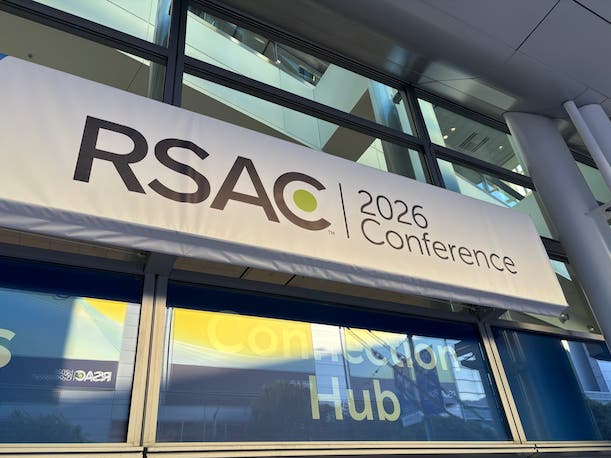
At RSAC 2026, top cybersecurity CEOs discussed the future of AI agents. They highlighted the balance between opportunities and the risks posed by AI in security. As businesses adapt, understanding these dynamics is crucial for effective cybersecurity.
What Happened
During the recent RSAC 2026 conference in San Francisco, 15 leading cybersecurity CEOs gathered to discuss the future of AI agents. Executives from companies like CrowdStrike, SentinelOne, and Netskope shared their insights on how AI is reshaping the cybersecurity landscape. They expressed a mix of optimism and concern about the implications of AI on security operations and workforce dynamics.
Key Insights
The discussion revealed several recurring themes:
- Increased Cyber Risk: George Kurtz from CrowdStrike highlighted the potential dangers posed by AI agents operating with extensive access to user data. He warned of risks associated with malicious AI skills and latent attacks that could compromise systems over time.
- Workforce Challenges: Tomer Weingarten of SentinelOne emphasized that while AI may automate some tasks, it will also create additional work for security teams. The industry continues to face a shortage of cybersecurity professionals, making it crucial to find ways to scale operations effectively.
- Governance and Speed: Sanjay Beri from Netskope pointed out the challenge for CISOs to govern AI adoption without slowing down its implementation. The rapid pace of AI integration requires security leaders to quickly adapt and learn about the technology.
The Future of AI in Cybersecurity
The CEOs collectively recognized that AI represents a significant market opportunity. Joe Levy from Sophos stated, "This is probably the biggest market opportunity that I’ve ever seen in my life." As hundreds of millions of businesses prepare for this transformation, the role of solution and service providers will be critical in facilitating the adoption of AI.
Challenges Ahead
Despite the opportunities, uncertainties remain regarding the architecture and governance of AI agents. Executives like Sachin Nayyar from Saviynt noted that the framework for managing AI agents is still undecided, complicating how organizations will implement these technologies. Additionally, the potential for compromised AI agents poses a significant risk that companies must address proactively.
Conclusion
As AI continues to evolve, the cybersecurity industry stands at a crossroads. The insights from these CEOs underscore the need for a balanced approach that embraces innovation while addressing the inherent risks. The future of AI agents in cybersecurity will depend on how well the industry can adapt to these changes and ensure robust security measures are in place.