🎯Imagine if every time you talked about something, an invisible person noted it down and started showing you ads for that thing. That's kind of what's happening with your data, and now the government is using that information to track you too!
What Happened
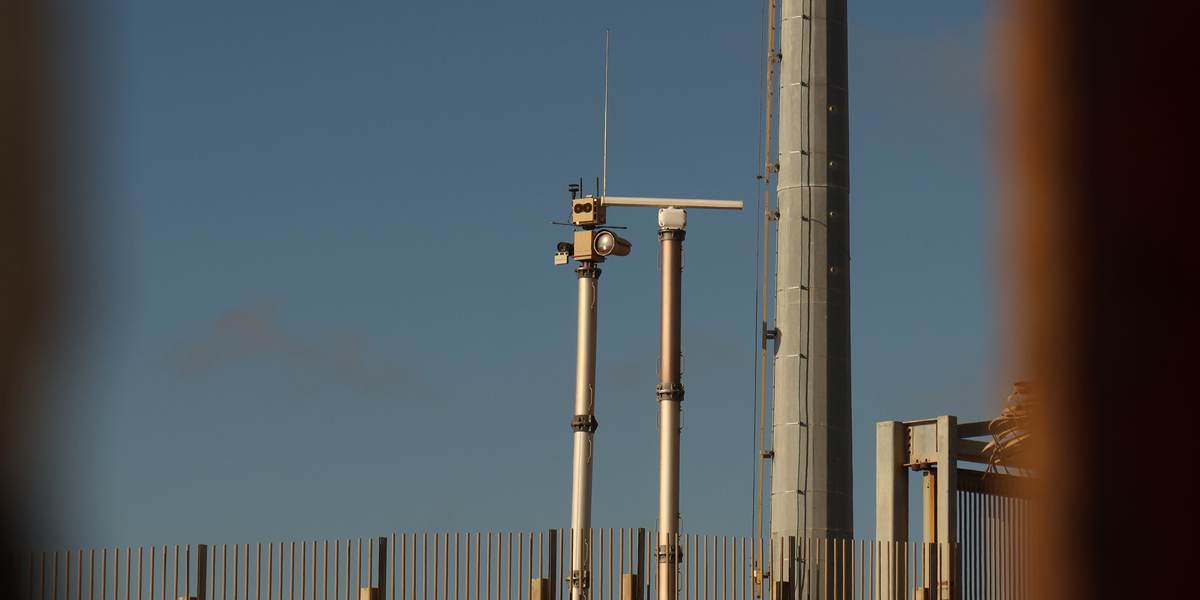
Have you ever wondered how ads seem to know exactly what you want? New reports reveal that the same systems used for targeted advertising are being exploited by the government to track your location without a warrant. This unsettling reality came to light when Customs and Border Protection (CBP) admitted to using location data sourced from online ads for surveillance purposes.
For years, the internet advertising industry has amassed vast amounts of data, including your location. Law enforcement agencies, like CBP and Immigration and Customs Enforcement (ICE), have been purchasing this data from data brokers. A recently uncovered document by 404 Media confirms that CBP's program to utilize "commercially available marketing location data" is fundamentally linked to the very systems that deliver those creepy ads you see online.
The document highlights that location data is recorded when an advertisement is served, revealing a direct connection between the advertising ecosystem and government surveillance. This troubling admission shows how the lack of strong privacy laws has allowed the advertising industry to become a surveillance tool for federal agencies.
Why Should You Care
Imagine someone following you everywhere you go, tracking your every move. That’s essentially what’s happening when the government buys your location data from advertisers. This invasion of privacy affects you directly, whether you’re using your phone for navigation, fitness, or even dating. Your personal data is being sold without your consent, and it’s being used to monitor you.
Recent insights reveal that advertisers are not only tracking your online activity but are also using advanced predictive modeling techniques. By analyzing massive datasets, they can infer likely interests based on your behavior and even the behavior of your social connections. This means that if someone in your household searches for a product, you might start seeing ads related to it, even if you never searched for it yourself. This blurs the lines between commercial advertising and state surveillance, raising urgent questions about privacy and consent.
What's Being Done
In light of these revelations, several actions are being considered to protect your privacy. Lawmakers are urged to create stronger privacy regulations to limit how companies can use and sell your data. Here’s what you can do right now:
- Be cautious about the apps you install: Only download apps that respect your privacy.
- Limit location permissions: Check app settings and restrict location access where possible.
- Stay informed: Follow updates on privacy laws and advocate for stronger protections.
- Reduce tracking: Review app permissions and remove microphone or location access from apps that don’t need it. Turn off ad personalization in your account settings to limit the data advertisers can use.
- Use privacy-focused tools: Consider switching to secure browsers with built-in ad blockers to minimize data collection and intrusive ads.
Experts are closely monitoring how federal agencies continue to leverage advertising data and what legislative actions will emerge in response to this growing concern. The future of your privacy may depend on it.
The intersection of targeted advertising and government surveillance highlights the urgent need for stronger privacy regulations as consumers become increasingly vulnerable to data exploitation.