Iranian Hackers Breach FBI Director’s Personal Email
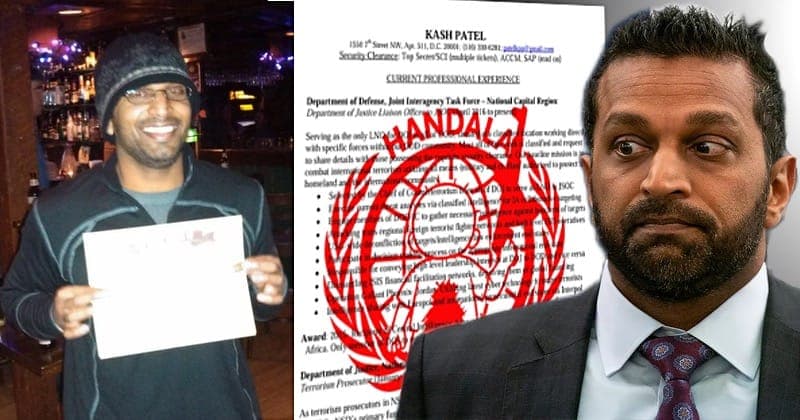
Basically, Iranian hackers broke into the FBI director's email and shared his personal information online.
Iranian hackers have breached the personal email of FBI Director Kash Patel, leaking his CV and personal photos online. This incident underscores the growing risks faced by high-profile officials. With state-backed hackers becoming more brazen, the need for robust cybersecurity measures is more pressing than ever.
What Happened
In a shocking breach, Iranian hackers infiltrated the personal email of FBI Director Kash Patel. The attackers, identified as the Handala hacking group, published a trove of personal photos and documents online. This incident marks a significant escalation in cyber threats against high-profile officials, especially those linked to U.S. national security. The breach has raised alarms about the vulnerabilities faced by even the highest-ranking officials in law enforcement.
The hackers shared images of Patel engaging in personal activities, such as smoking cigars and riding in a vintage car. They also released what appears to be his CV and emails dating from 2010 to 2019. The FBI confirmed that the leaked emails originated from Patel's personal Gmail account, emphasizing that no classified information was compromised. However, the breach still poses a reputational risk for the FBI and its leadership.
Who's Affected
The primary target of this breach is Kash Patel, the current FBI director. However, the implications extend beyond him. The incident highlights the vulnerabilities that public officials face in the digital age, particularly those involved in sensitive government operations. The Handala hacking group has previously targeted Patel, indicating that he is a recurring target due to his position and affiliations.
Moreover, this breach raises concerns for other officials and organizations that may be linked to U.S. government activities. As cyber threats become more sophisticated, individuals in high-ranking positions are increasingly at risk of similar attacks, making it essential for them to adopt robust security measures.
What Data Was Exposed
The leaked data includes a mix of personal and work correspondence from Patel's Gmail account. While the emails are not recent, dating back to 2019 at the latest, they still provide insight into his personal life and professional communications. The publication of personal photographs, including those depicting him in casual settings, poses a significant privacy concern.
The breach serves as a reminder that even seemingly benign personal information can be weaponized by malicious actors. Although the FBI has stated that no classified data was accessed, the exposure of personal emails and photos can still have damaging effects on an individual's privacy and public image.
What You Should Do
In light of this breach, it is crucial for individuals, especially those in high-profile positions, to take proactive steps to secure their personal information. Here are some recommended actions:
- Use strong, unique passwords for personal accounts, avoiding easily guessable information.
- Enable multi-factor authentication to add an extra layer of security to your accounts.
- Regularly review account activity and be vigilant for any unauthorized access.
- Limit the sharing of personal information online, especially on social media platforms.
This incident underscores the importance of cybersecurity hygiene for anyone, particularly those whose roles may make them targets for cyber attacks. As cyber threats evolve, so must our defenses.