Jacob Mchangama - Discusses Free Speech and Its Challenges
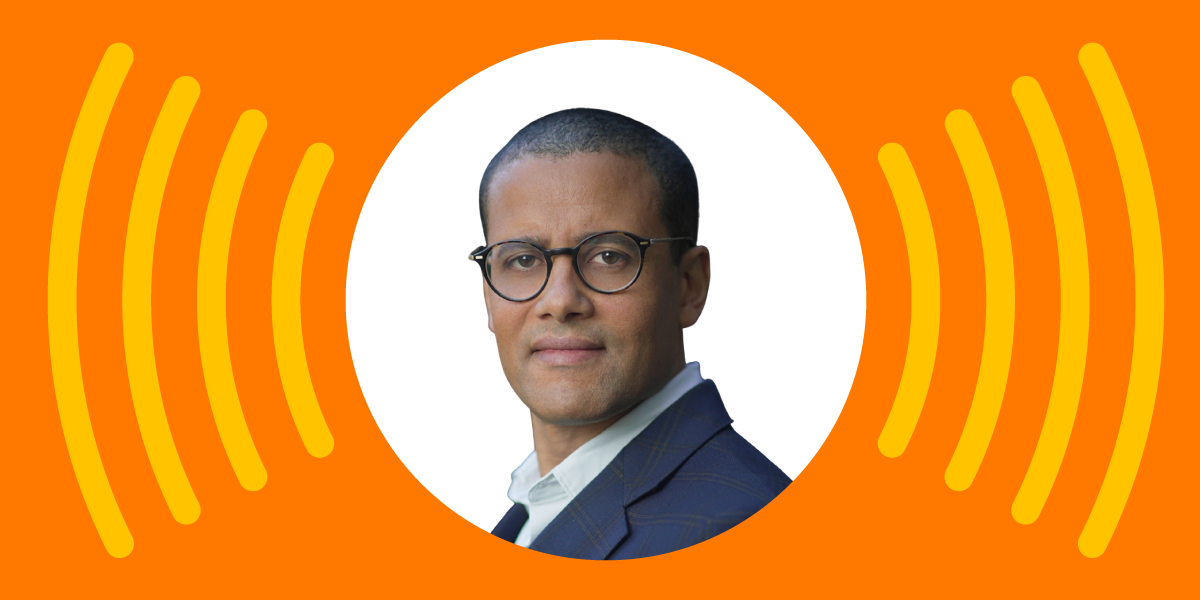
Basically, Jacob Mchangama talks about why free speech is important and the challenges it faces today.
Jacob Mchangama discusses the state of free speech and its challenges in today's world. He emphasizes the need to protect this essential freedom for democracy. His insights shed light on the importance of advocating for free expression amidst rising concerns.
What Happened
In a recent interview, Jacob Mchangama, a prominent Danish lawyer and human rights advocate, shared his insights on free speech and its significance in today's world. He is the founder of Justitia, a think tank in Copenhagen, and has authored a new book titled The Future of Free Speech: Reversing the Global Decline of Democracy's Most Essential Freedom. This book highlights the ongoing challenges to free speech globally, particularly in the digital age.
Who's Affected
Mchangama's work resonates with anyone who values free expression, especially in democratic societies. As discussions around censorship and hate speech intensify, individuals, activists, and organizations advocating for human rights are increasingly impacted by shifting perceptions of free speech.
The Importance of Free Speech
Mchangama emphasizes that free speech is not just a legal right but a fundamental pillar of democracy. He argues that many take the benefits of free speech for granted, focusing instead on perceived harms. In contrast, he points out that free speech has historically been crucial for marginalized groups seeking justice and equality. From civil rights movements to women's rights, the ability to speak freely has been a powerful tool for change.
Trends of Concern
In his upcoming book, Mchangama discusses alarming trends affecting free speech today. He identifies a growing tendency to impose controls on online speech, driven by fears of disinformation and extremism. This shift is not limited to authoritarian regimes but is also evident in democracies that once championed free speech. Mchangama warns that viewing free speech as a threat rather than a right undermines democratic values.
What Needs to Be Done
To safeguard the future of free speech, Mchangama advocates for a balanced approach. He believes that free speech advocates must engage with those who are concerned about the implications of certain speech acts. Instead of merely defending free speech, there needs to be a proactive effort to propose solutions that address legitimate concerns without compromising fundamental rights.
Conclusion
Jacob Mchangama's insights serve as a reminder of the fragility of free speech in modern society. As we navigate the complexities of speech in the digital age, it is crucial to remain vigilant and advocate for the principles that uphold democracy. His work encourages a deeper understanding of free speech's role in fostering a just society, reminding us that it is not just a privilege but a necessity for progress.