🎯Basically, lawmakers want to treat ransomware attacks on hospitals like terrorism because they can cause serious harm.
What Happened
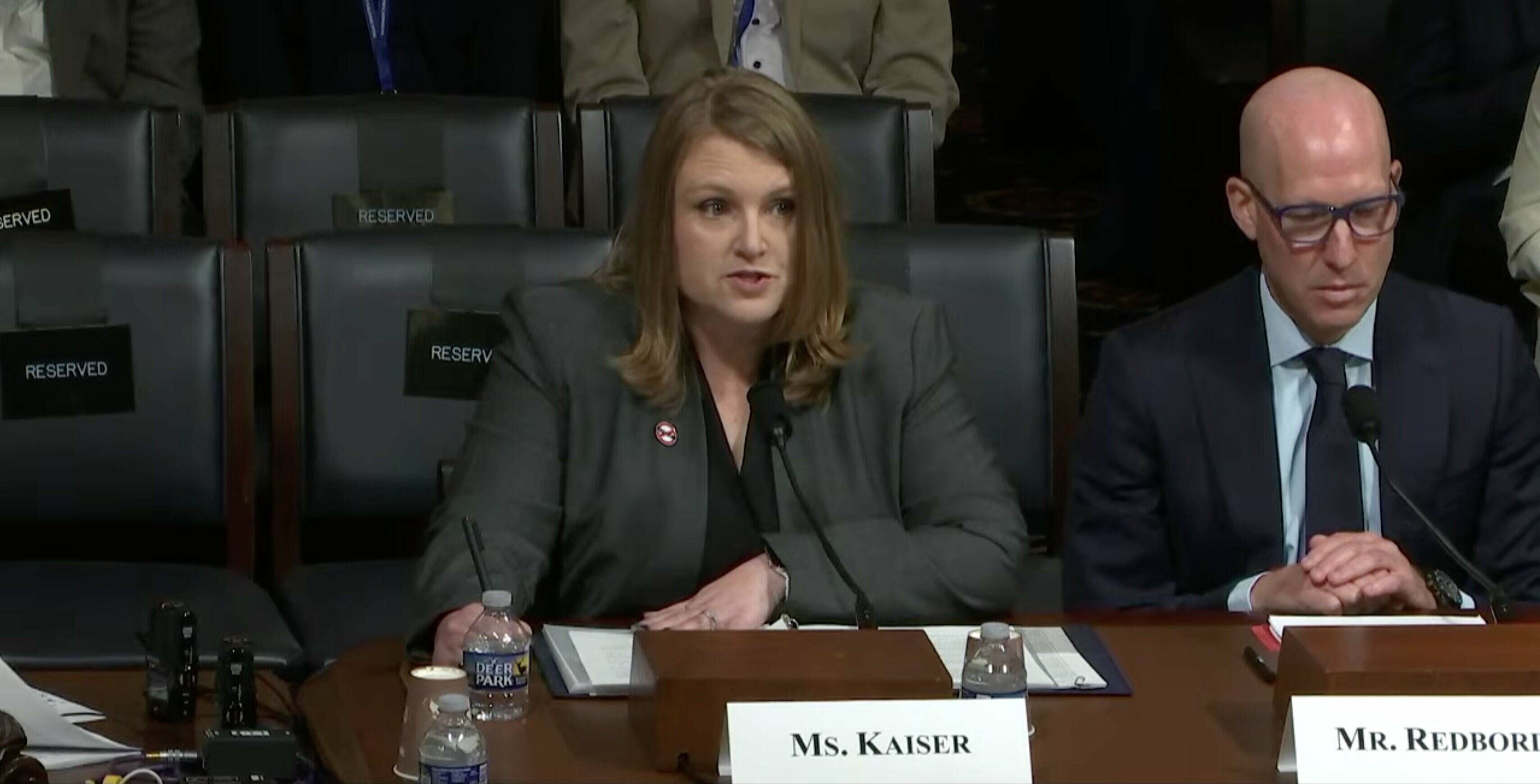
During a recent House Homeland Security Committee hearing, lawmakers discussed tougher penalties for ransomware attacks targeting hospitals. The discussion included proposals to classify these attacks as acts of terrorism and to pursue homicide charges when deaths result from such attacks.
Who's Affected
The health care sector is the primary focus of these discussions, with hospitals being heavily targeted by ransomware groups. FBI statistics indicate a significant increase in attacks, with incidents rising from 238 in 2024 to 460 in 2025, making healthcare the most attacked sector.
The Proposals
Cynthia Kaiser, a former top FBI cyber official, suggested that labeling ransomware attacks as terrorism could lead to stricter sanctions and penalties. This would involve coordination between the State, Treasury, and Justice departments. Additionally, Kaiser mentioned that pursuing homicide charges could clarify the legal framework for prosecuting those responsible for attacks that lead to fatalities.
Why It Matters
The implications of these proposals are profound. Ransomware attacks not only disrupt healthcare services but can also lead to loss of life. A study from the University of Minnesota estimated that such attacks were responsible for dozens of deaths among Medicare patients. Lawmakers like Rep. Michael Guest emphasized that there should be no penalties too severe for those targeting the healthcare system.
The Broader Context
This discussion aligns with a growing recognition of the severity of cyber threats. Previous legislative efforts have attempted to link cyberattacks with terrorism, reflecting a shift in how these crimes are viewed. The fiscal 2025 Senate intelligence authorization bill had proposed such a connection, although the final version was less explicit.
What’s Next
As ransomware attacks continue to escalate, lawmakers are likely to pursue these proposals more aggressively. The goal is to create a legal environment that deters cybercriminals and protects critical infrastructure, particularly in healthcare. With increasing public awareness and pressure, the outcomes of these discussions could significantly impact how cybercrime is prosecuted in the future.
🔒 Pro insight: The potential classification of ransomware as terrorism may set a precedent for harsher penalties and more aggressive law enforcement actions against cybercriminals.