🎯Basically, scammers trick people into paying fees for fake money promises.
What Happened
A recent investigation revealed a resurgence of the classic Nigerian advance-fee scam, which continues to deceive victims despite its long history. This scam typically promises substantial payouts in exchange for an upfront fee, often using fake identities and official-sounding language to lure in unsuspecting individuals.
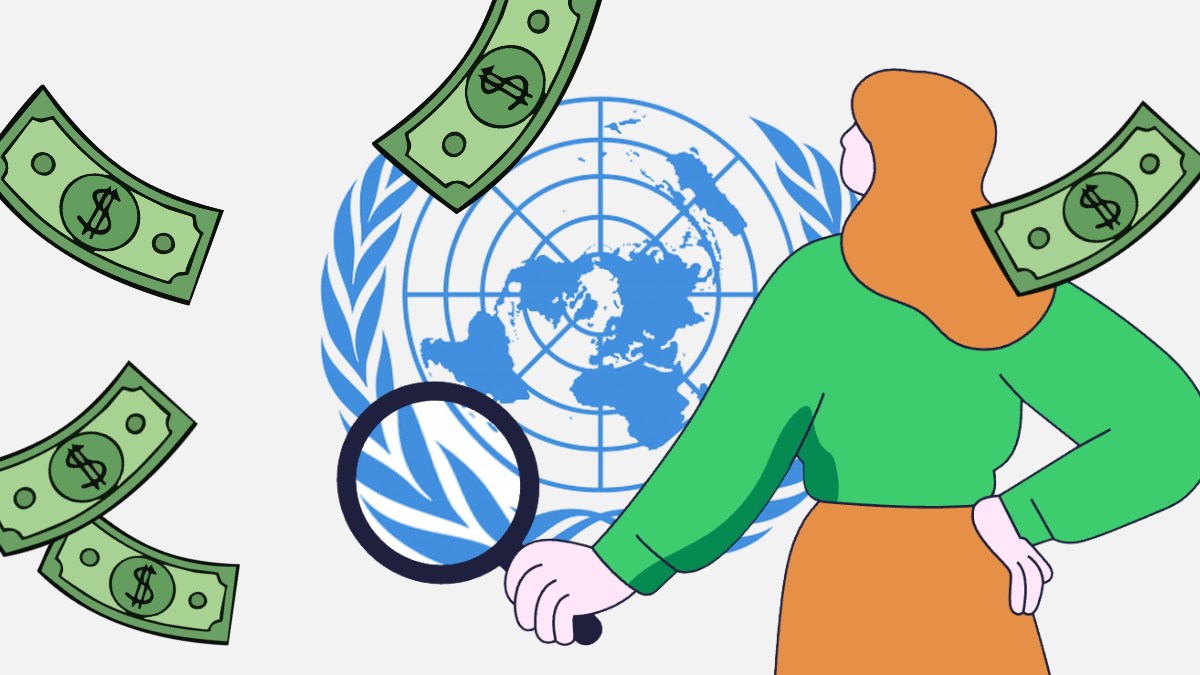
In this case, a researcher received an email claiming to be from the United Nations, stating that they were eligible for a $5 million compensation due to being a scam victim. The email included familiar names and a Nigerian contact number, which added a layer of credibility to the fraudulent claim.
Who's Being Targeted
The targets of this scam are often individuals who are vulnerable, such as those who have previously fallen victim to scams. The emotional and financial toll of past scams can make it difficult for these individuals to recognize the warning signs of a new scam, leading them to engage with the fraudsters.
Signs of Infection
There are several red flags that indicate this type of scam:
Unsolicited payouts
Pressure tactics
Vague communication
Odd language
How to Protect Yourself
To avoid falling victim to such scams, consider the following precautions: This investigation serves as a reminder that while new scams may emerge, old tactics like the advance-fee scam continue to thrive. Awareness and education are key to protecting yourself and others from these fraudulent schemes.
Identify
- 1.Always verify the legitimacy of any unexpected financial communications.
- 2.Do not engage with the scammer or provide personal information.
Protect
- 3.Consult with trusted friends or advisors if you receive suspicious messages.
- 4.Remember the golden rule: if it sounds too good to be true, it probably is.
🔒 Pro insight: The persistence of advance-fee scams highlights the need for continuous public education on recognizing and avoiding fraud.