🎯Basically, the Pentagon is figuring out how to keep AI safe for use in war.
What Happened
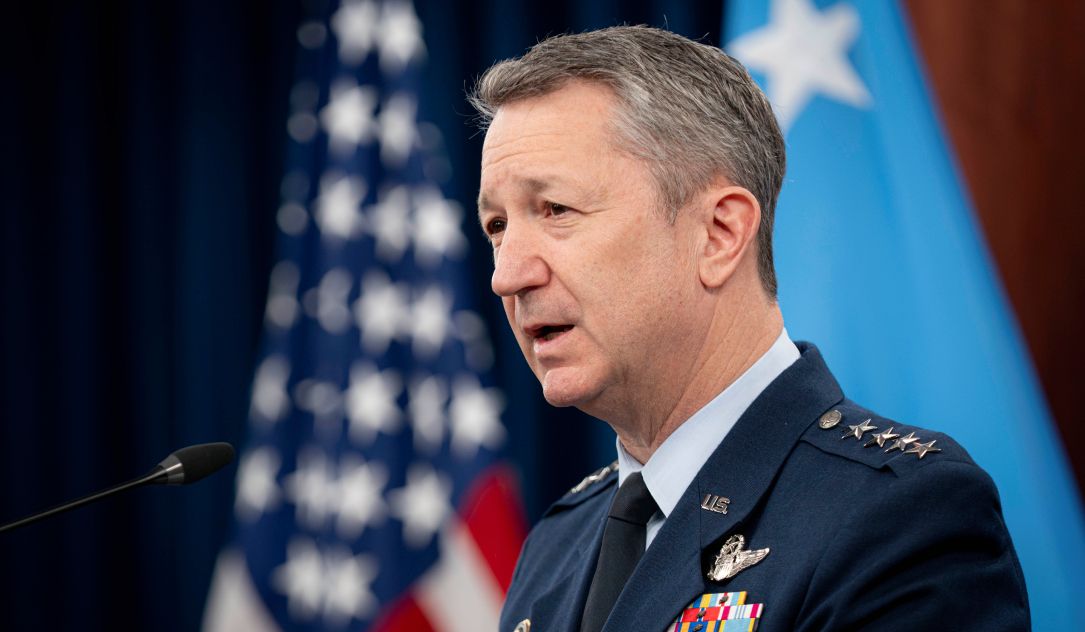
As the Pentagon integrates artificial intelligence (AI) into military operations, it faces significant challenges regarding the security and control of these technologies. Chairman of the Joint Chiefs of Staff, Gen. Dan Caine, emphasized that autonomous weapons are becoming essential for modern warfare. At the Asness Summit on Modern Conflict and Emerging Threats, he highlighted the urgency of ensuring that AI systems are secure and reliable.
The Growing Role of AI
AI is not just about smarter drones; it involves creating a robust digital infrastructure for command and control. This includes machine-learning models that can function effectively under adversarial conditions. The Pentagon's reliance on privately-developed software raises concerns about vulnerabilities and the potential for adversaries to exploit these systems.
Concerns Over Commercial Software
The Pentagon's dependency on commercial AI technologies has been highlighted by a recent standoff with Anthropic, a leading AI firm. Anthropic withheld the release of its powerful model, Mythos Preview, due to cybersecurity risks. This situation underscores the tension between military needs and the commercial ecosystem, which may not prioritize military concerns, particularly regarding risk tolerance.
Legislative Pressure
Lawmakers are pressing the Pentagon for clarity on the use of AI systems in military operations, especially after reports of AI involvement in a deadly strike during the U.S.-Israel war against Iran. This raises critical questions about the testing, auditing, and governance of AI technologies in high-stakes scenarios.
Procurement Challenges
Gen. Caine pointed out that the government’s procurement system is outdated for the rapidly evolving nature of software. Current contracts, which are designed for fixed hardware, hinder the deployment of critical technologies and leave gaps in accountability. He advocates for contracts that share risk between the government and private companies, ensuring that AI systems are effective and resilient.
The Path Forward
As the Pentagon delves deeper into AI-enabled warfare, the focus is shifting from whether the technology works to whether it can be trusted. The stakes are high, and the margin for error is narrowing. Addressing these security challenges is crucial for the future of military operations involving AI.
🔒 Pro insight: The Pentagon's reliance on commercial AI highlights a critical gap in military readiness and cybersecurity, necessitating urgent reforms in procurement and oversight.