Proton Launches Privacy-Focused Meet Conferencing Platform
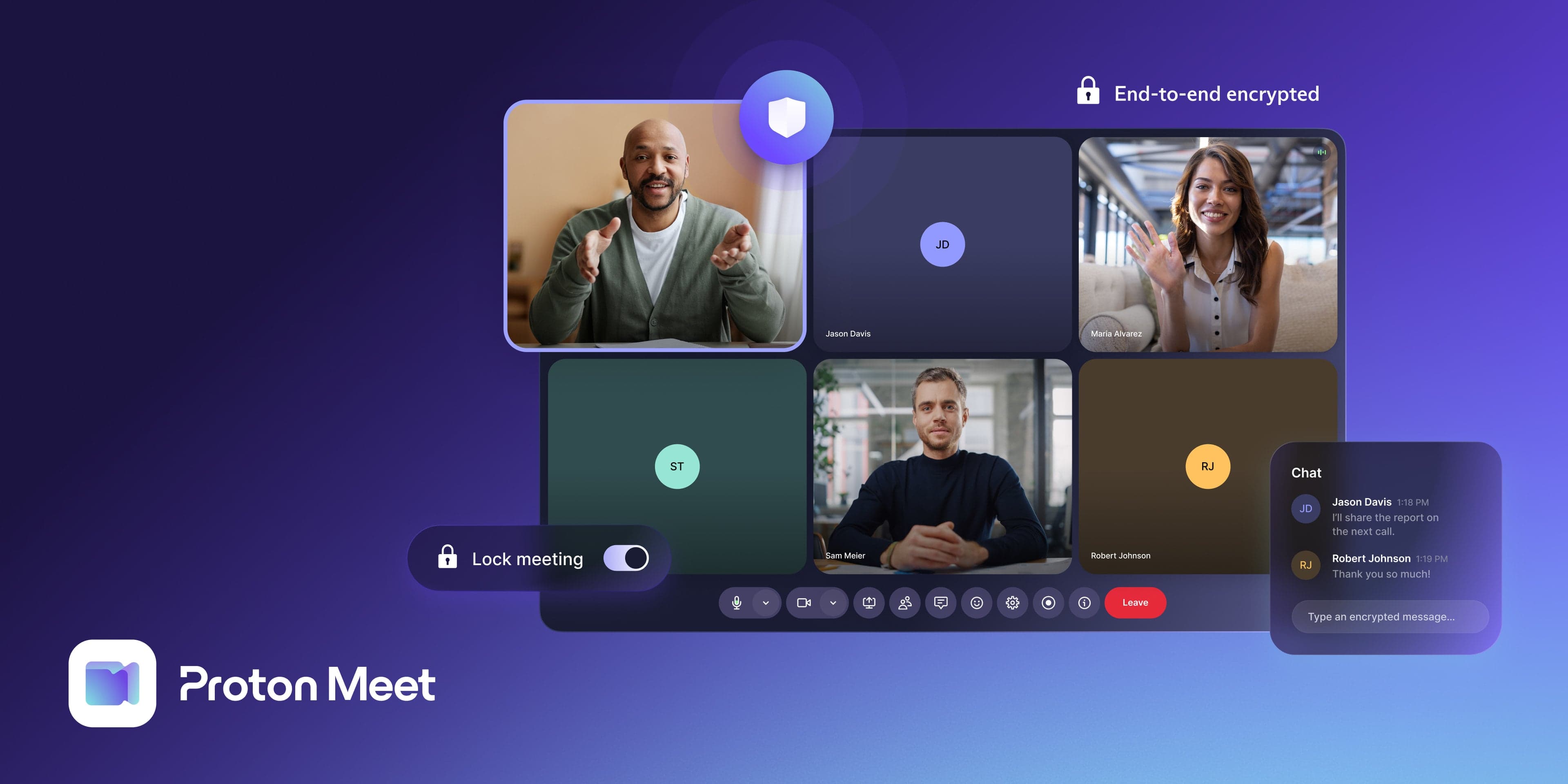
Basically, Proton launched a video chat tool that keeps your conversations private.
Proton has launched Meet, a new video conferencing platform focused on user privacy. This tool offers end-to-end encryption and is free for basic use. As privacy concerns grow, Proton Meet provides a secure alternative to mainstream services, ensuring your conversations remain confidential.
What Changed
Proton has introduced a new video conferencing service called Meet. This platform aims to provide a privacy-focused alternative to popular services like Google Meet, Zoom, and Microsoft Teams. With increasing concerns about data privacy and surveillance, Proton Meet offers a solution that prioritizes user confidentiality. The service features end-to-end encryption (E2EE), ensuring that conversations remain private and secure from unauthorized access.
The launch of Meet is a response to the growing demand for privacy-first solutions, especially in light of regulations like the GDPR (General Data Protection Regulation) in Europe and the CCPA (California Consumer Privacy Act). Proton emphasizes the need for tools that not only comply with these regulations but also protect users from the data exploitation practices commonly seen in the tech industry today.
How This Affects Your Data
Proton Meet is designed to keep user data secure. It does not require a paid plan or even a Proton account for basic usage, allowing free one-hour meetings with up to 50 participants. For longer meetings, users can opt for a pro plan starting at $7.99/month. The platform uses Messaging Layer Security (MLS), an open-source encryption protocol, to secure calls, ensuring that even Proton cannot access the content of conversations.
The architecture of Proton Meet is built on WebRTC, allowing for real-time communication while maintaining privacy. Each meeting is authenticated using the Secure Remote Password (SRP) protocol, which has been employed by Proton for years. This means that even if a server were compromised, the data would remain unreadable to attackers.
Who's Responsible
Proton has taken significant steps to ensure that users' privacy is respected. They have committed to not retaining records of meetings, which means that users can feel secure knowing that their conversations are not being logged or monitored. Proton's approach is particularly relevant in today's environment, where many mainstream services monetize user data by selling it to advertisers or using it to train AI models.
The company has also highlighted the risks associated with data exposure from large language models, making their privacy-first approach even more pertinent. Proton Meet aims to give users control over their data, allowing them to communicate freely without the fear of surveillance or data misuse.
How to Protect Your Privacy
To maximize your privacy while using Proton Meet, consider the following actions:
- Lock meeting entries once all expected participants have joined to prevent unauthorized access.
- Remove rogue participants if they join unexpectedly.
- Rotate meeting links regularly to minimize the risk of link compromise.
By implementing these practices, users can enhance their security while enjoying the benefits of a robust video conferencing platform. Proton Meet stands out as a promising option for those looking to prioritize privacy in their online communications.