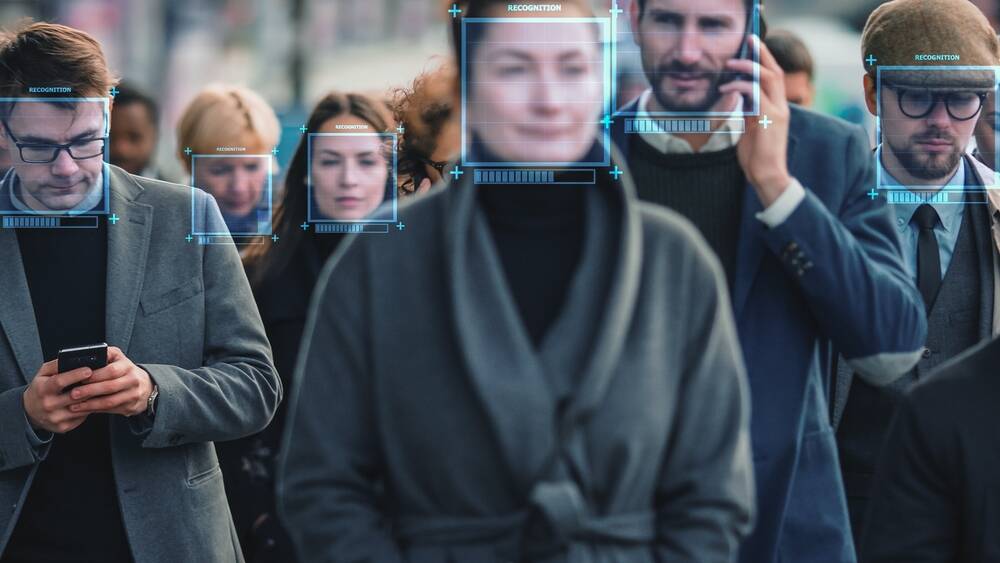
🎯Basically, judges say police can keep using facial recognition technology to identify people in London.
What Changed
The UK's High Court recently ruled that Scotland Yard can continue its use of live facial recognition (LFR) technology. This decision comes after a legal challenge from Big Brother Watch, a civil liberties organization, which argued that LFR violates privacy rights under the European Convention on Human Rights (ECHR).
How This Affects Your Data
The court found that the use of LFR does not infringe on individuals' rights to privacy. This ruling is significant as it legitimizes the ongoing deployment of surveillance technology in public spaces. Critics, however, argue that this technology could lead to mass surveillance and wrongful identification.
Who's Responsible
The Metropolitan Police Service (MPS) defended their use of LFR, stating it has led to over 2,100 arrests since 2024, including arrests for violent crimes against women and children. Sir Mark Rowley, the MPS commissioner, emphasized the importance of using advanced technology to enhance public safety.
How to Protect Your Privacy
As the use of LFR expands, individuals concerned about privacy should:
Assessment
- 1.Stay informed about local surveillance policies.
- 2.Engage in discussions about the implications of facial recognition technology.
Compliance
Ongoing Debate
The ruling has sparked a fierce debate between law enforcement and privacy advocates. While police argue that LFR is a crucial tool for public safety, critics highlight the disproportionate impact on marginalized communities, particularly noting higher false positive rates for Black individuals. This ongoing tension raises important questions about the balance between security and civil liberties in the digital age.
Conclusion
The High Court's decision to uphold Scotland Yard's use of live facial recognition technology marks a pivotal moment in the ongoing discussion of privacy rights and surveillance in the UK. As technology continues to advance, the implications for individual rights and public safety will remain a hot topic for lawmakers and citizens alike.
🔒 Pro insight: The ruling reflects a growing trend of legal acceptance for surveillance technologies, raising concerns about privacy erosion in urban areas.