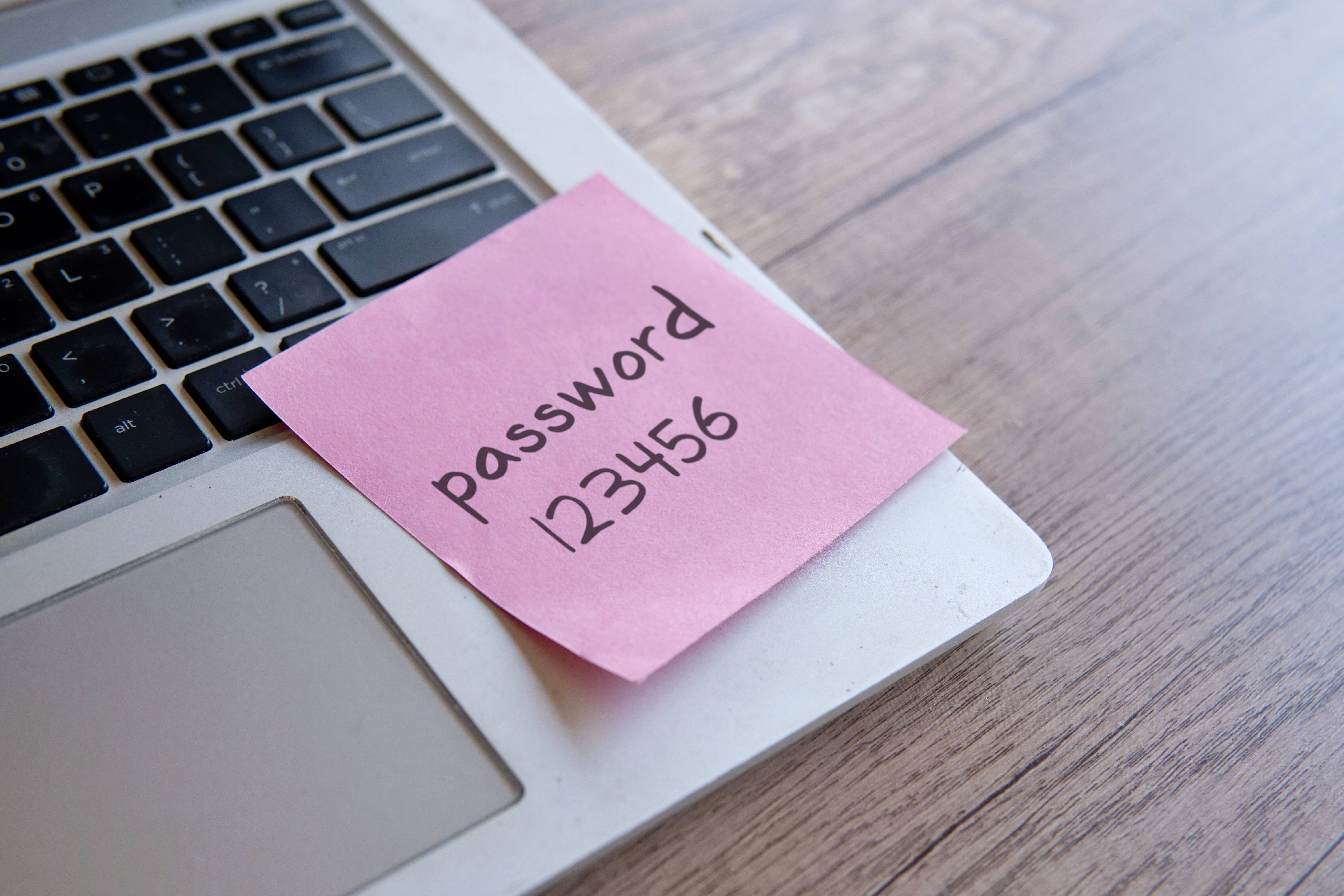
🎯Basically, sharing an admin password caused a company to lose all its data.
What Happened
In a recent incident, a software development firm faced a severe data loss due to poor password management practices. The client decided to simplify access by using the same administrative password, "admin123," for both staging and production environments. This password is alarmingly common, ranking as the 10th most popular password globally according to NordPass.
To make matters worse, the password was shared in a Slack channel, exposing it to anyone with access. Months later, a former contractor logged in and inadvertently triggered a full data wipe instead of merely testing the software.
Who's Affected
The incident primarily affected the client organization, which had invested over $30,000 in security tools, only to find their data compromised due to a fundamental oversight in password sharing and management.
What Data Was Exposed
The exact nature of the data lost has not been disclosed, but the incident underscores the risk of using weak, commonly known passwords across critical environments. This type of data loss can have serious implications, including financial loss and reputational damage.
What You Should Do
Organizations should avoid sharing passwords between different environments or users. Here are some key recommendations: As highlighted by Gregory Shein, the founder of Nomadic Soft, the biggest threats often come from human errors disguised as efficiency rather than technical vulnerabilities. Organizations should prioritize addressing these gaps to prevent similar incidents.
Containment
- 1.Implement role-based access control: Ensure that users have only the access they need.
- 2.Rotate credentials regularly: This practice can significantly reduce unauthorized access attempts.
Remediation
- 3.Adopt multi-factor authentication: Adding an extra layer of security can help protect against unauthorized access.
- 4.Replace passwords with passkeys: Where possible, use passkeys instead of traditional passwords for enhanced security.
🔒 Pro insight: This incident illustrates the critical need for robust password management policies, especially in environments handling sensitive data.