Shipping Crisis - Stranded Crews in the Strait of Hormuz
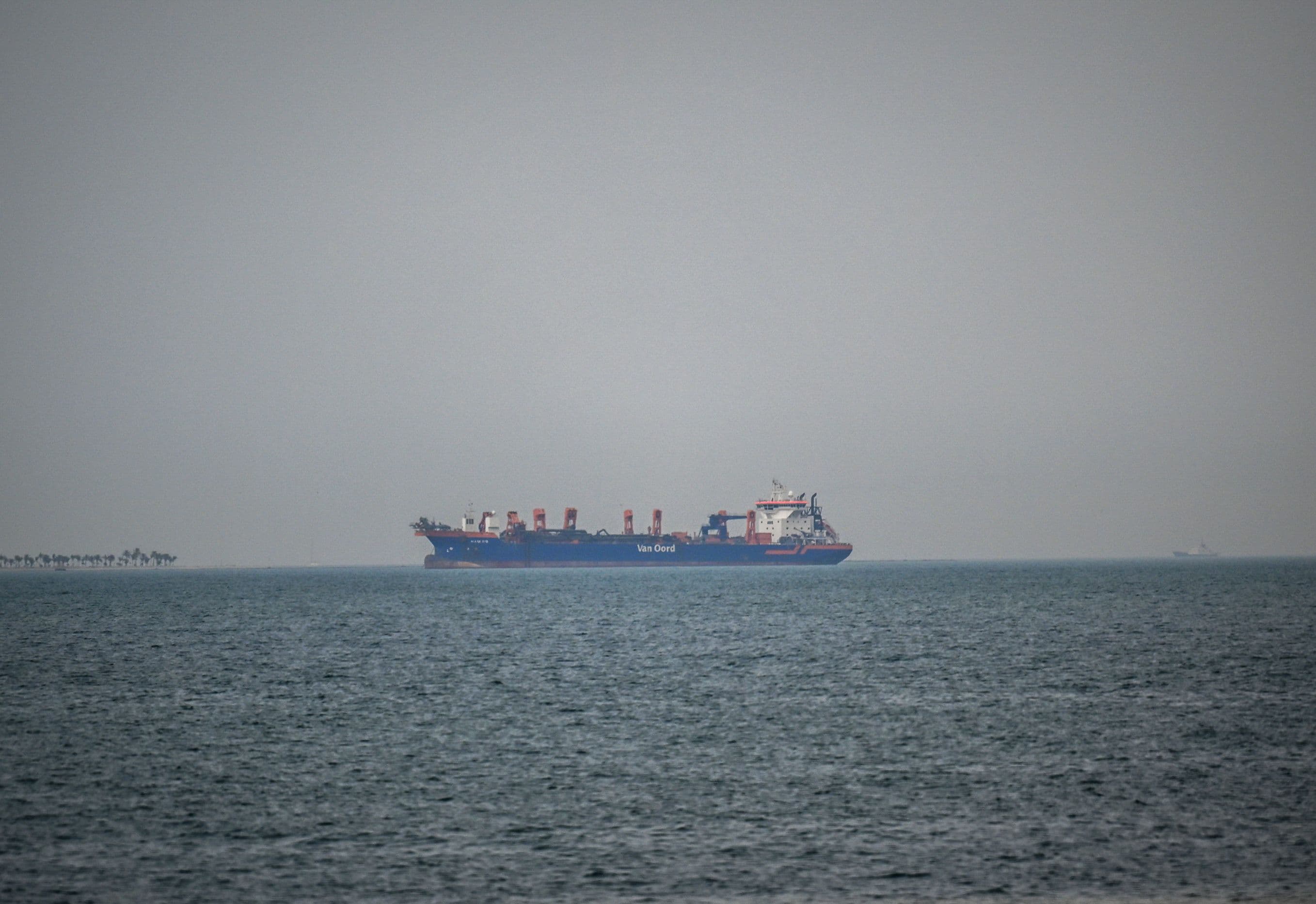
Basically, ships are stuck in a dangerous area, and the crews can’t leave.
Vessels are increasingly stranded in the Strait of Hormuz due to conflict and systemic failures. Thousands of seafarers are left in perilous situations, raising urgent concerns about their safety and rights.
What Happened
The Strait of Hormuz, a vital maritime corridor, has become a perilous zone for shipping crews amid escalating conflicts. As tensions rise, many vessels find themselves stranded, unable to leave due to both hostilities and a broken global shipping system. A seafarer named PK Vijay shared his harrowing experience of being trapped on a ship for over a year without pay or the ability to disembark. His situation reflects a broader issue affecting many seafarers caught in this crisis.
Since the conflict began, approximately 1,900 commercial vessels have become stranded in the region, particularly in the Arabian Gulf. The International Maritime Organization (IMO) has reported at least 18 incidents of attacks on ships, further endangering the crews on board. The combination of geopolitical tensions and a lack of accountability in maritime regulations has left many workers in a precarious state.
Who's Affected
The consequences of this crisis extend beyond individual seafarers. An estimated 20,000 seafarers and port workers operate in the region, facing heightened risks due to the ongoing conflict. Many, like Vijay, are left without communication from ship owners, making it nearly impossible for them to return home. The International Transport Workers’ Federation (ITF) has reported a surge in distress calls from seafarers, particularly from those on abandoned vessels.
Labor organizations are struggling to provide assistance, as the complexity of global shipping often results in jurisdictional challenges. Ships can be owned, registered, and operated across different countries, complicating efforts to ensure worker safety and accountability. This situation has created a legal grey zone where seafarers find themselves trapped.
What Data Was Exposed
While the immediate risks involve physical safety, the psychological toll on stranded seafarers is significant. Many report feelings of isolation and uncertainty, exacerbated by the lack of mobility and communication. Vijay's experience highlights the emotional strain of being unable to return to one’s family, with many seafarers feeling abandoned and forgotten.
The ITF has documented a worrying trend, with 409 vessels reported abandoned globally in 2025 alone, affecting over 6,200 seafarers. This alarming statistic underscores the urgent need for systemic reforms in the shipping industry to protect workers and ensure their rights are upheld.
What You Should Do
For those in the shipping industry, it’s crucial to advocate for better regulations and support systems for seafarers. Ship owners must be held accountable for their crews, especially in times of crisis. The ITF has called for increased cooperation among maritime authorities to address these challenges effectively.
As the situation in the Strait of Hormuz continues to evolve, stakeholders must prioritize the safety and well-being of seafarers. Encouraging ship owners to allow seafarers to terminate contracts in high-risk areas is essential. Furthermore, raising awareness about the plight of stranded crews can mobilize support and prompt action to prevent further abandonment and ensure safe passage home for those affected.