🎯Basically, you can stop fraud without making it hard for real customers.
What Happened
Fraud prevention and user experience have often been seen as opposing forces. Tightening security can alienate legitimate customers, while loosening it opens the door to fraud. However, modern threat intelligence platforms are changing this narrative. They enable businesses to block fraudsters without adding friction to the customer experience.
The Cost of Getting Friction Wrong
Every unnecessary step in the user journey, like CAPTCHAs or extra authentication prompts, can lead to significant costs. High friction can increase cart abandonment rates and reduce new user registrations. The Association of Certified Fraud Examiners estimates that organizations lose about 5% of annual revenue to fraud. This includes account takeovers, synthetic identities, and payment fraud, which are becoming increasingly automated and organized.
Fraud at Signup: The Battle for Clean Accounts
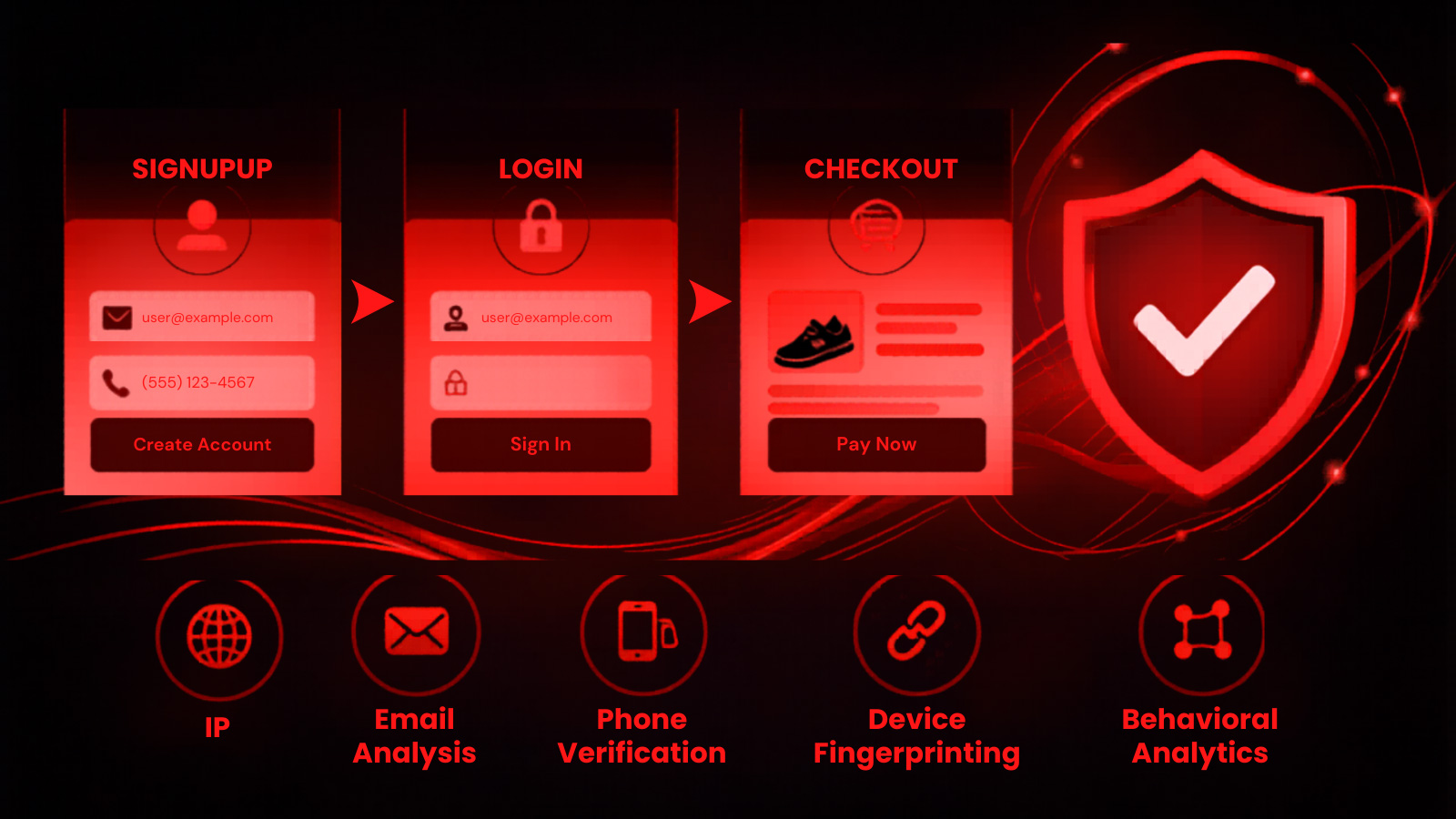
Signup is a critical point in the fraud lifecycle. Preventing a fraudster from creating an account stops various downstream attacks, such as account takeovers and payment fraud. However, this stage is also high-volume and high-visibility for legitimate users. Evaluating signals like email and phone number intelligence quickly and accurately is essential to avoid false positives.
Fraud at Login: Defending the Account Layer
Login fraud, particularly account takeover (ATO), is a significant threat. Credential stuffing can compromise even well-protected accounts. Attackers can test hundreds of thousands of credentials per hour, making traditional defenses like rate-limiting ineffective. To prevent ATO without punishing legitimate users, businesses need to detect anomalies in login patterns.
Fraud at Checkout: Protecting Revenue at the Finish Line
Checkout fraud combines identity and payment fraud. At this stage, businesses should evaluate the consistency of the email and phone number with the claimed identity. They should also check the IP address against the shipping address and analyze payment instrument intelligence for any red flags.
How IPQS Operationalizes Frictionless Intelligence
IPQS offers a unified platform that evaluates multiple risk signals in real-time. By mapping risk scores to response types, businesses can challenge high-risk sessions with lightweight verification methods rather than full authentication flows. This ensures that most legitimate users experience a seamless process while still protecting against fraud.
Conclusion
IPQS provides real-time fraud prevention solutions with unmatched accuracy. Their tools cover a wide range of signals, ensuring tight security without compromising user experience. By utilizing such platforms, businesses can effectively combat fraud while maintaining a smooth customer journey.
🔒 Pro insight: The integration of multi-signal fraud detection is crucial in mitigating risks while preserving user experience.