🎯Basically, new US laws are being proposed to change how companies handle your personal data.
What Changed
Recently, US House Republicans introduced two significant privacy bills: the SECURE Data Act and the GUARD Financial Data Act. These proposals aim to establish national standards for how companies collect, process, and retain consumer data. However, they also threaten to override stronger state privacy laws, such as those in California and Maryland.
How This Affects Your Data
The SECURE Data Act includes provisions for familiar privacy rights, such as access, correction, deletion, and restrictions on automated profiling. A key aspect is data minimization, which emphasizes that companies should only collect and retain the data they truly need. This principle is becoming increasingly important as it helps reduce potential privacy risks. However, critics argue that the bill's data minimization language is weaker than existing state laws, potentially leading to less protection for consumer data.
Who's Responsible
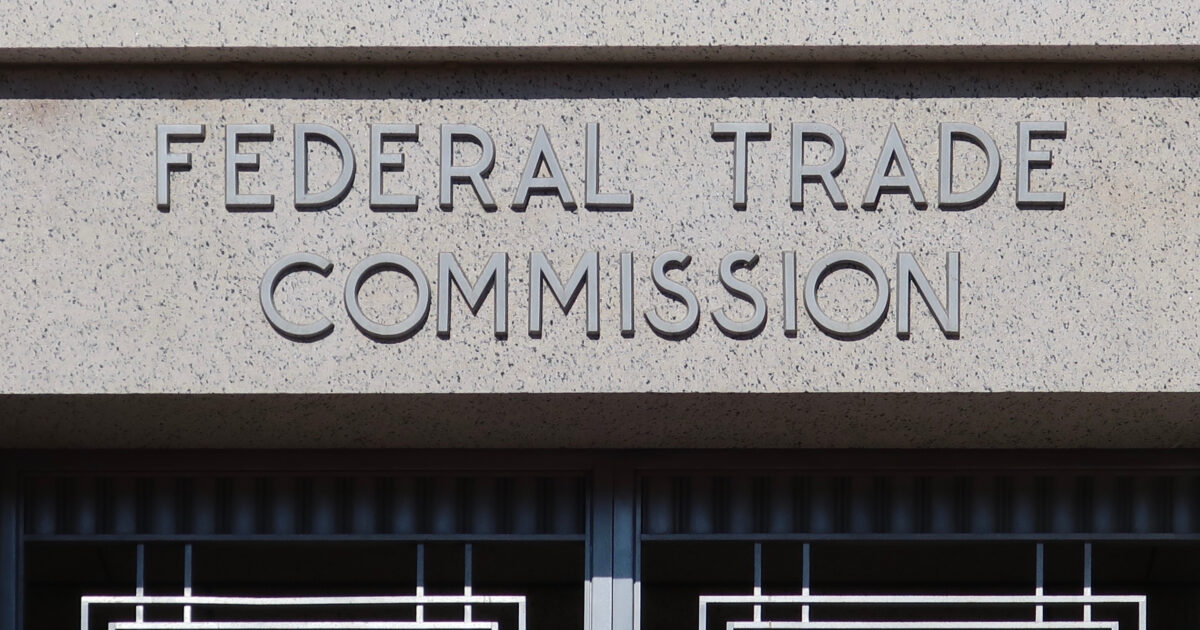
The enforcement of these laws would primarily fall to the Federal Trade Commission and state attorneys general, removing the possibility for private lawsuits. This shift in responsibility has raised concerns among privacy advocates, who fear that it could lead to weaker protections overall.
How to Protect Your Privacy
As these bills progress, businesses should prepare for potential changes in compliance requirements. Here are a few steps to consider:
Assessment
- 1.Review Data Practices: Audit your data collection and retention practices to ensure they align with the principles of data minimization.
- 2.Stay Informed: Keep abreast of developments regarding these bills and how they may affect your operations.
Compliance
What to Watch
The bills also introduce controversial provisions regarding the processing of sensitive data from teenagers, requiring verifiable parental consent. This could complicate data handling for companies that interact with users aged 13 to 15. Additionally, the GUARD Financial Data Act focuses on financial institutions, modernizing existing laws and imposing stricter requirements.
Conclusion
While the SECURE and GUARD acts aim to create a unified national framework for privacy, they also present challenges and potential risks for consumer data protection. Businesses must navigate these changes carefully to maintain compliance and consumer trust.
🔒 Pro insight: The SECURE Data Act's weak data minimization standards could lead to increased compliance challenges for enterprises reliant on state-level protections.