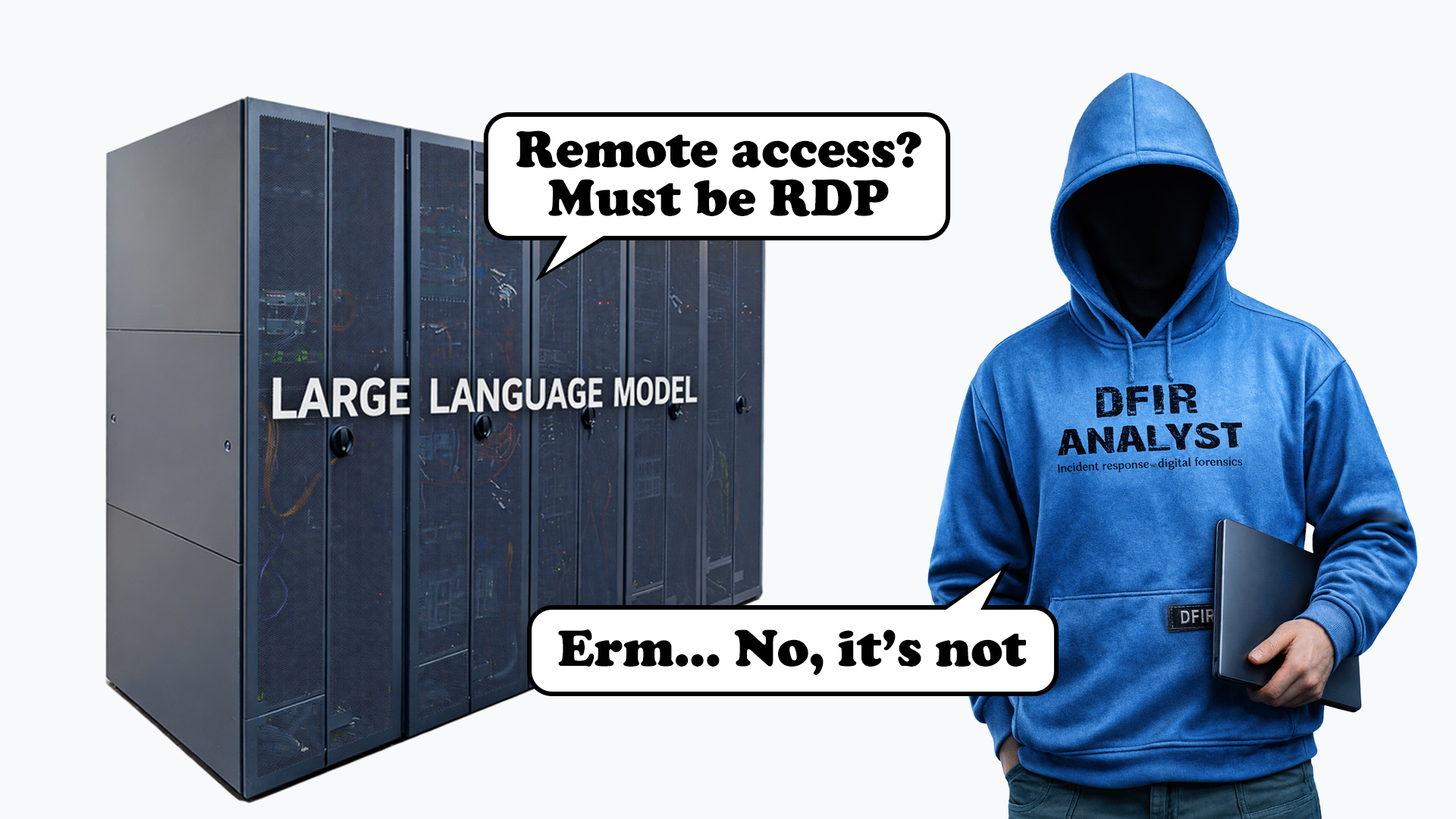
🎯Basically, AI can help with investigations, but humans still need to make important decisions.
Introduction
In the evolving field of Digital Forensics and Incident Response (DFIR), the integration of Artificial Intelligence (AI) is becoming more prevalent. While AI can enhance efficiency, it cannot substitute the critical judgement that human investigators bring to the table. Understanding the nuances of evidence in context is vital for effective investigations.
The Role of Human Judgement in DFIR
DFIR is not merely about technical skills or the ability to use forensic tools. It requires a deep understanding of how to interpret evidence. Investigators must discern what is significant and what is merely background noise. For instance, when analyzing logs or artifacts, the investigator's ability to contextualize findings is crucial.
The Challenge of Noise in Investigations
Modern investigations are inundated with data. Endpoints, cloud environments, and user activities generate a vast amount of information, making it challenging to identify relevant evidence. Investigators must focus on what truly matters to the case at hand. Clients typically seek answers about the attacker's presence, methods of entry, and the extent of the breach.
Contextualizing Evidence
A single artifact, such as a logon event or a file write, gains significance only when examined alongside surrounding activities. Investigators must ask questions like:
- What occurred before and after this event?
- Who was involved?
- Does this evidence correlate with other findings?
This contextual analysis is where the real investigative work lies.
The Importance of Understanding Behavior
Placing the suspect behind the keyboard is a crucial aspect of DFIR. It’s not just about collecting data; it’s about understanding the actions and motivations behind those data points. Each event logged represents a decision made by a user or an attacker, and comprehending this behavior is key to a successful investigation.
AI's Role in Supporting Investigations
AI can streamline certain repetitive tasks in DFIR, such as data collection and preliminary analysis. However, it lacks the ability to interpret the complexities of a case. AI can provide plausible explanations based on patterns, but it cannot replace the nuanced understanding that comes from human experience.
Conclusion
As AI continues to integrate into both offensive and defensive cybersecurity strategies, the importance of human judgement in DFIR will only grow. Investigators must remain vigilant, ensuring they apply critical thinking to the outputs generated by AI tools. In a landscape filled with noise and automation, strong fundamentals and sound judgement will be the distinguishing factors for effective DFIR professionals.
🔒 Pro insight: As AI tools proliferate, the need for investigators to maintain critical thinking and context awareness becomes increasingly essential to avoid misinterpretation of data.