VulnerabilitiesHIGH

App Domain Manager Injection - Understanding the Threat
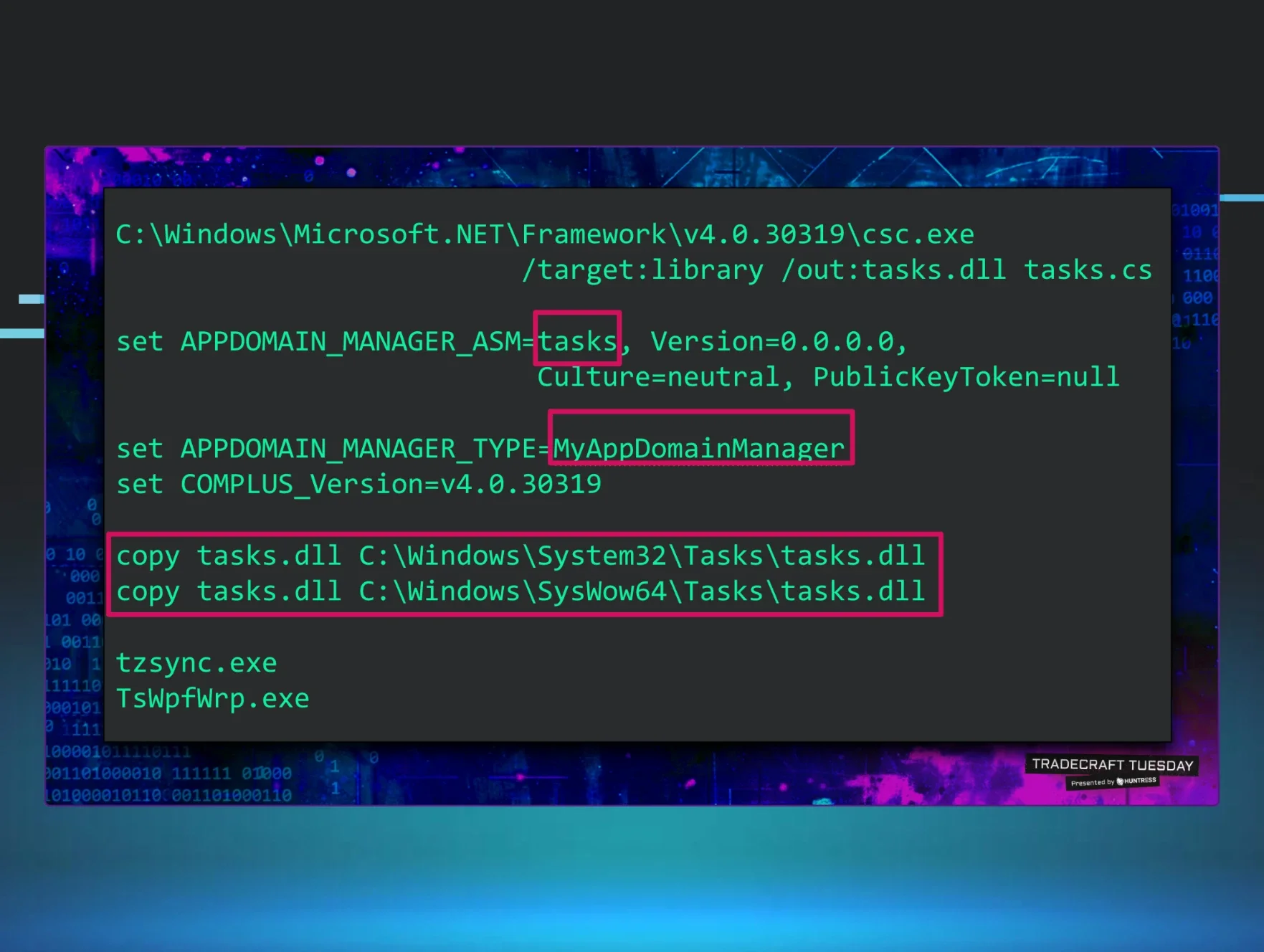
Featured image for App Domain Manager Injection - Understanding the Threat
#App Domain Manager#.NET#code injection#application security

Original Reporting

HNHuntress Blog

AI Intelligence Briefing

CyberPings AIยทReviewed by Rohit Rana
Severity LevelHIGH

Significant risk โ€” action recommended within 24-48 hours

๐Ÿ›ก๏ธ
๐Ÿ›ก๏ธ VULNERABILITY DETAILS
CVE IDโ€”
CVSS Scoreโ€”
Severity RatingHigh
Affected Product.NET Applications
Vendorโ€”
Vulnerability TypeCode Injection
Attack VectorConfiguration File Manipulation
Attack ComplexityMedium
Privileges RequiredUser Level
User InteractionNone
Actively Exploitedโ€”
Patch AvailableNo
Workaround AvailableYes
๐ŸŽฏ

Basically, attackers manipulate .NET apps to run harmful code without being noticed.

Quick Summary

Attackers are exploiting App Domain Manager injection to run harmful code in trusted .NET applications. This poses serious security risks. Learn how to detect and prevent these attacks.

The Flaw

App Domain Manager injection is a sophisticated attack technique that allows malicious actors to execute code within trusted .NET applications. By modifying configuration files, attackers can bypass application security controls, making it difficult for standard defenses to detect their activities.

What's at Risk

This vulnerability targets .NET applications, which are widely used in various sectors, including finance, healthcare, and technology. If exploited, it can lead to unauthorized access, data breaches, and the compromise of sensitive information.

Patch Status

Currently, there are no specific patches available for this type of injection vulnerability. However, developers and security teams are encouraged to implement best practices in application security to mitigate risks.

Immediate Actions

Organizations should take proactive steps to protect their .NET applications:

  • Review configuration files regularly to ensure they haven't been tampered with.
  • Implement strict access controls to limit who can modify application settings.
  • Conduct security audits to identify potential vulnerabilities in your applications.
  • Educate developers on secure coding practices to prevent such vulnerabilities from being introduced in the first place.

Detection Strategies

To effectively detect App Domain Manager injection attempts, consider the following strategies:

  • Monitor application logs for unusual activity, particularly around configuration changes.
  • Utilize intrusion detection systems (IDS) to flag suspicious behavior.
  • Regularly update security protocols and tools to stay ahead of evolving threats.

By understanding and addressing the risks associated with App Domain Manager injection, organizations can significantly enhance their application security posture and protect against potential exploits.

๐Ÿ” How to Check If You're Affected

  1. 1.Monitor application logs for unauthorized configuration changes.
  2. 2.Implement intrusion detection systems to identify suspicious activities.
  3. 3.Regularly review access controls and permissions for application settings.

๐Ÿข Impacted Sectors

TechnologyFinanceHealthcare

Pro Insight

๐Ÿ”’ Pro insight: The stealthy nature of App Domain Manager injection requires enhanced monitoring and proactive security measures to mitigate potential exploits.

Sources

Original Report

HNHuntress Blog
Read Original

Related Pings

CRITICALVulnerabilities

Active Exploitation of SolarWinds Web Help Desk Alert

Huntress has reported active exploitation of a critical vulnerability in SolarWinds Web Help Desk. This flaw allows remote code execution, posing serious risks. Organizations must act quickly to secure their systems.

Huntress Blogยท
HIGHVulnerabilities

CISA KEV Remediation Analysis - Limits of Human Security Exposed

A new analysis reveals that critical vulnerabilities are often exploited before patches can be applied. This highlights a major flaw in traditional security practices, urging organizations to rethink their vulnerability management strategies.

BleepingComputerยท
HIGHVulnerabilities

NetBT e-Fatura - Privilege Escalation Vulnerability Exposed

A new vulnerability in NetBT e-Fatura allows local users to escalate privileges and execute arbitrary code. This flaw poses a serious security risk, potentially compromising sensitive data. Immediate actions are needed to mitigate the threat.

Exploit-DBยท
HIGHVulnerabilities

Industrial Controllers Vulnerable - Cyber Conflicts Intensify

The US government warns that programmable logic controllers are under threat. Research shows 179 vulnerable devices in operational technology. This poses serious risks to critical infrastructure.

Dark Readingยท
HIGHVulnerabilities

Chrome 147 Patches 60 Vulnerabilities, Two Critical Flaws

Google's Chrome 147 update addresses 60 vulnerabilities, including two critical flaws in WebML. Users are urged to update to the latest version to enhance security.

SecurityWeekยท
HIGHVulnerabilities

Critical Marimo Flaw Exploited Hours After Public Disclosure

A critical Marimo vulnerability was exploited within hours of disclosure, allowing unauthorized access and credential theft. Immediate action is required to mitigate risks.

SecurityWeekยท