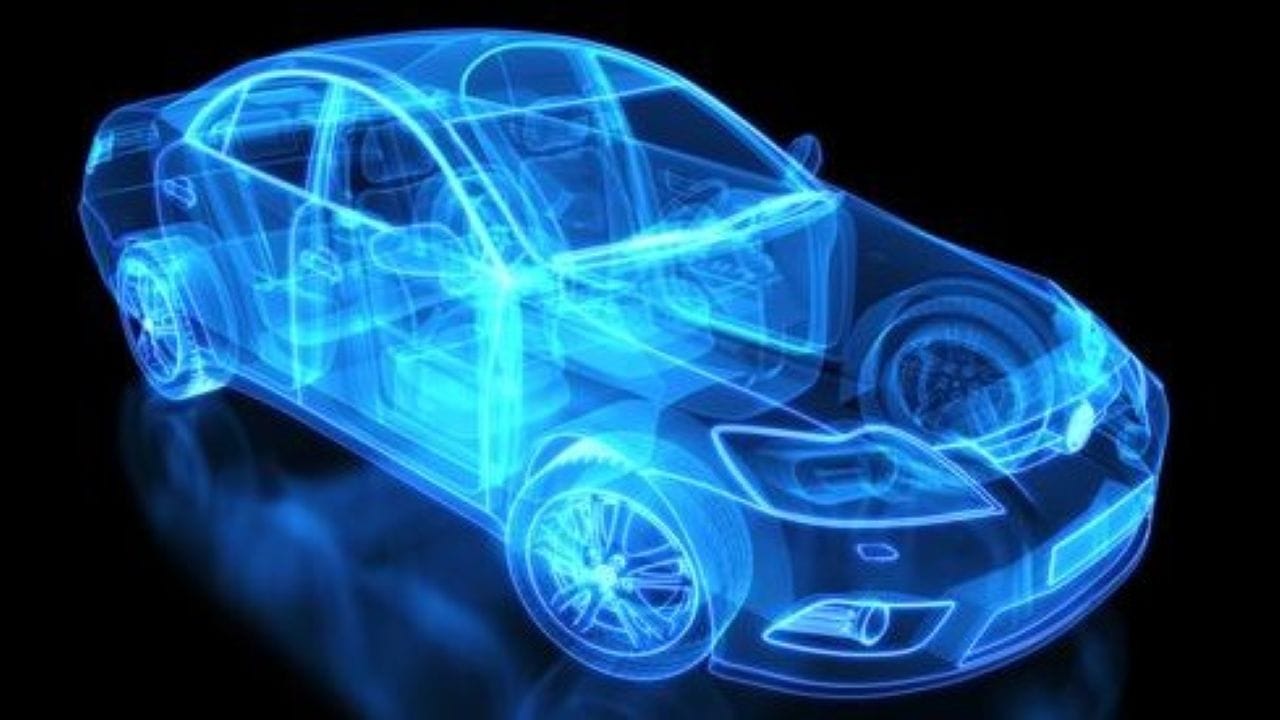
🎯Cars are getting smarter and more connected, which makes them easier targets for hackers. Recently, attacks that lock companies out of their systems for ransom have doubled, causing huge financial losses. It's crucial for car makers to beef up their security to keep drivers safe.
The Threat
The rise of connected and autonomous vehicles has introduced new cybersecurity challenges. As vehicles become more integrated with technology, they also become more vulnerable to cyberattacks. The infamous 2015 Jeep hack serves as a stark reminder of the potential risks involved. Hackers can exploit vulnerabilities in vehicle software, leading to dangerous situations for drivers and passengers.
Recent reports indicate that ransomware has become the fastest-growing and most disruptive cyber threat facing the automotive sector, accounting for 44% of attacks on carmakers in 2025. This surge reflects a calculated shift by cybercriminals who increasingly view the automotive industry as a lucrative target, driven by its rapid adoption of connected technology and reliance on cloud services.
Security experts warn that as the automotive industry evolves, so do the tactics employed by cybercriminals. Attackers are increasingly targeting the communication systems within vehicles, which can be accessed remotely. This trend raises alarms about the safety of drivers and the integrity of vehicle operations.
Who's Behind It
Cybersecurity threats in the automotive sector often stem from organized crime groups and individual hackers. These actors are motivated by various factors, including financial gain and the thrill of exploiting sophisticated technology. The 2015 Jeep hack was executed by researchers demonstrating vulnerabilities, but it opened the door for malicious actors to replicate such attacks for nefarious purposes. The rise of ransomware attacks has made car manufacturers particularly vulnerable. For instance, the Jaguar Land Rover (JLR) suffered a ransomware-related production outage that lasted five weeks, costing the firm an estimated £108 million per week in fixed costs and lost profit. This incident underscores the significant financial impact of such attacks, which can ripple through the entire supply chain. As vehicles become more connected, the potential for cyber espionage also increases. Nation-state actors may target automotive technologies to gain strategic advantages, making the automotive sector a new battleground for cybersecurity.
Tactics & Techniques
Cybercriminals employ various tactics to compromise vehicle systems. They may use methods such as man-in-the-middle attacks, where they intercept communications between the vehicle and external networks. Other techniques include exploiting unpatched software vulnerabilities and using social engineering to gain access to sensitive vehicle systems.
The increase in ransomware attacks highlights the need for manufacturers to secure their networks, especially given the growing reliance on connected vehicle platforms and over-the-air (OTA) updates. Smaller suppliers, often with weaker security postures, can provide attackers with privileged access to OEMs’ IT systems, broadening the attack surface significantly.
Defensive Measures
To combat these growing threats, the automotive industry must adopt robust cybersecurity measures. Manufacturers should implement regular software updates and vulnerability assessments to ensure vehicle systems remain secure. Additionally, educating consumers about the risks associated with connected vehicles is essential. Halcyon, a security vendor, recommends several actions to mitigate ransomware threats, including: Collaboration between automakers, cybersecurity firms, and government agencies can also enhance overall security. By sharing information about threats and vulnerabilities, stakeholders can better protect consumers and maintain trust in the automotive industry. In conclusion, as the automotive landscape evolves, so do the cybersecurity challenges. The lessons learned from past incidents like the 2015 Jeep hack and the recent surge in ransomware attacks should drive ongoing efforts to secure connected vehicles against emerging threats.
Do Now
- 1.Patching perimeter and edge devices, such as VPNs and RDP endpoints.
- 2.Deploying phishing-resistant multi-factor authentication (MFA) focused on remote access and privileged accounts.
- 3.Hardening endpoint detection and response (EDR) tools against tampering.
Do Next
- 4.Maintaining offline backups and regularly testing restoration processes.
- 5.Establishing baseline security requirements for supply chain partners.
The automotive sector is facing unprecedented cybersecurity challenges, particularly from ransomware. Companies must enhance their defenses and collaborate across the industry to mitigate risks effectively.