Copyright Claim Against Web Host - Why It Failed
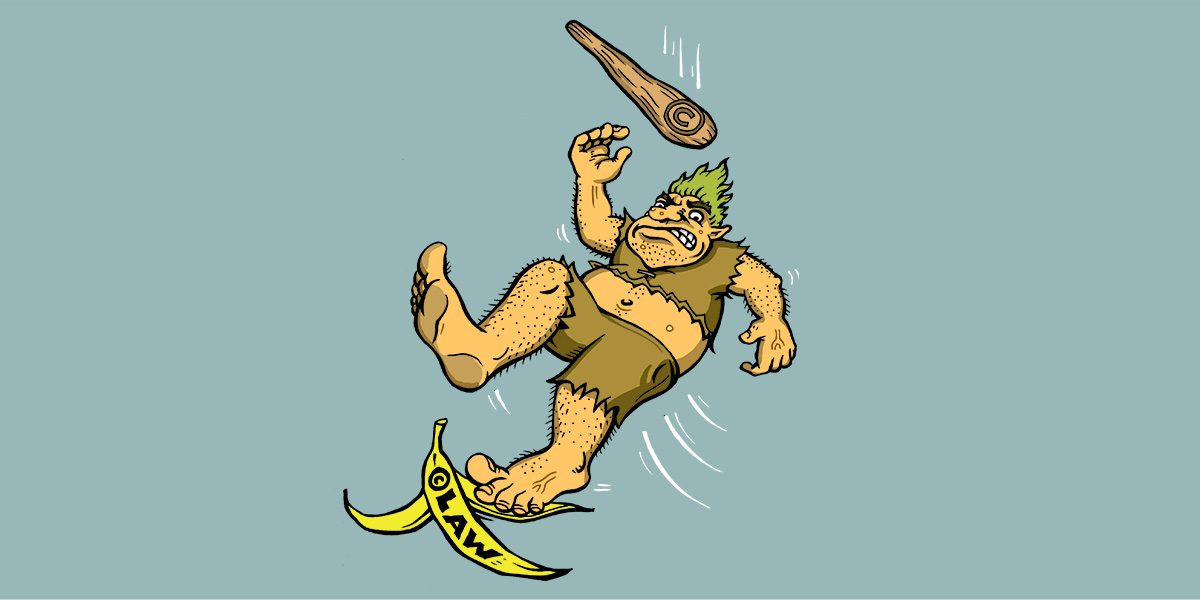
Basically, a web host was wrongly accused of copyright infringement but fought back and won.
A law firm wrongly accused May First Movement Technology of copyright infringement. EFF stepped in to defend the nonprofit, highlighting flaws in copyright law. This case shows how aggressive tactics can threaten small organizations.
What Happened
A law firm named Higbee & Associates targeted May First Movement Technology, accusing it of copyright infringement over a photograph owned by Agence France-Presse (AFP). The claim was unfounded, as May First did not post the photo nor did it own the website where it appeared. This situation underscores how copyright law can sometimes be misused to extract payments from innocent parties.
Who's Affected
May First is a nonprofit organization that offers web hosting and technical support to social justice groups globally. When Higbee sent the demand letter, it put pressure on May First, which serves vulnerable organizations that often lack legal resources. This case illustrates how aggressive copyright enforcement can threaten small nonprofits.
What Data Was Exposed
In this instance, the alleged infringement involved a photograph posted years ago by a member of May First, a human rights group in Mexico. The image was removed promptly once May First learned of the complaint. However, Higbee continued to demand payment despite the lack of a valid claim.
What You Should Do
If you receive a copyright demand, don’t panic. Understand your rights as a service provider. Key defenses include:
- Your role as a hosting service
- Lack of intentional infringement
- Prompt removal of the infringing material
- Statute of limitations
- The copyright owner's failure to register the work on time
It’s crucial to remember that a demand letter does not equate to a valid legal claim.
The Legal Framework
Copyright law distinguishes between those who create content and those who merely provide platforms for it. Courts recognize that service providers like May First are not liable for content uploaded by users, provided they act quickly to remove infringing material. This is where the Digital Millennium Copyright Act (DMCA) safe harbors come into play, protecting service providers from liability when they respond appropriately to notices.
The Bigger Picture
The troubling aspect of this case is not just the initial demand but Higbee's persistence in seeking payment even after being informed of May First's role. This highlights a systemic issue in copyright enforcement, where the potential for statutory damages—which can reach up to $150,000 per work—creates incentives for aggressive tactics against parties who may not have the resources to fight back.
Conclusion
May First's experience serves as a reminder of the importance of understanding copyright law and knowing your rights. Organizations and individuals should not feel compelled to pay unjust demands. Until legislative reforms address these exploitative practices, many will continue to face undue pressure from copyright trolls. If you receive a demand letter, consult legal advice to explore your defenses and options.