Regulation News
Stay compliant with global cybersecurity laws, international sanctions, and executive orders. We break down the legal jargon behind SEC cyber disclosure rules, CISA mandates, and government-level policy changes impacting corporate security posture.

US Spy Laws Set to Expire - Lawmakers Split on Reforms
US spy laws are about to expire, and lawmakers are divided on necessary reforms. Privacy advocates push for changes to protect Americans from unwarranted surveillance. The outcome could reshape the landscape of privacy rights.

Executive Order - Push for Stronger Identity Proofing
A new executive order is pushing for stronger identity verification to combat cyber fraud. Experts say enhancing digital identity measures is crucial. A proactive approach is needed to secure vulnerable entry points and protect citizens.

Massachusetts Court Rules Against Meta's Section 230 Defense
The Massachusetts Supreme Judicial Court ruled that Section 230 does not protect Meta from claims about harmful social media design. This decision allows the Commonwealth's case to proceed, challenging Big Tech's accountability and marking a significant shift in legal standards.

Insurance Carriers Withdraw Coverage for AI Outputs
Insurance carriers are withdrawing coverage for AI outputs, impacting businesses that rely on AI. This trend raises concerns about liability and financial risk. Companies must adapt to these changes to secure necessary insurance.

Republican Mutiny Sinks Trump's Push to Extend Surveillance
A late-night revolt in the House halted efforts to extend Section 702, a controversial surveillance program. This impacts Americans' privacy rights and FBI oversight. The program's future remains uncertain as Congress debates its reauthorization.

Section 702 Extended - Cyber Risk Concerns Raised
The House has extended Section 702 amid rising cyber risks. CISA warns of reduced capacity and highlights an exploited ActiveMQ flaw. Stay informed on these developments.
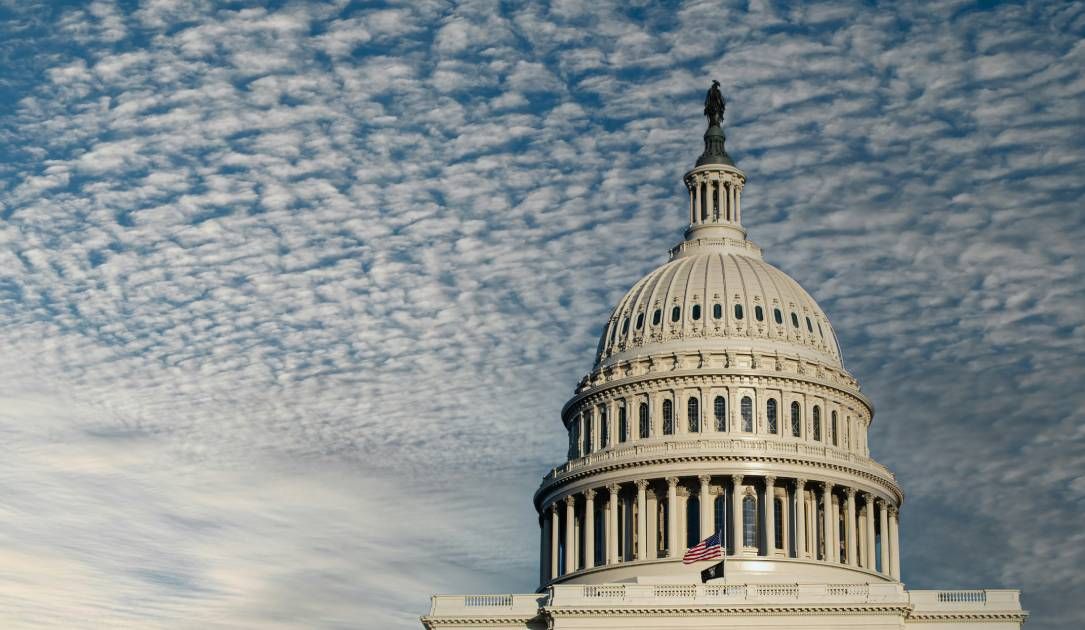
House Extends FISA Surveillance Program for 10 Days Amid Calls for Reform
The House has extended the FISA surveillance program for 10 days, igniting calls for reform amid privacy concerns and a chaotic legislative process.
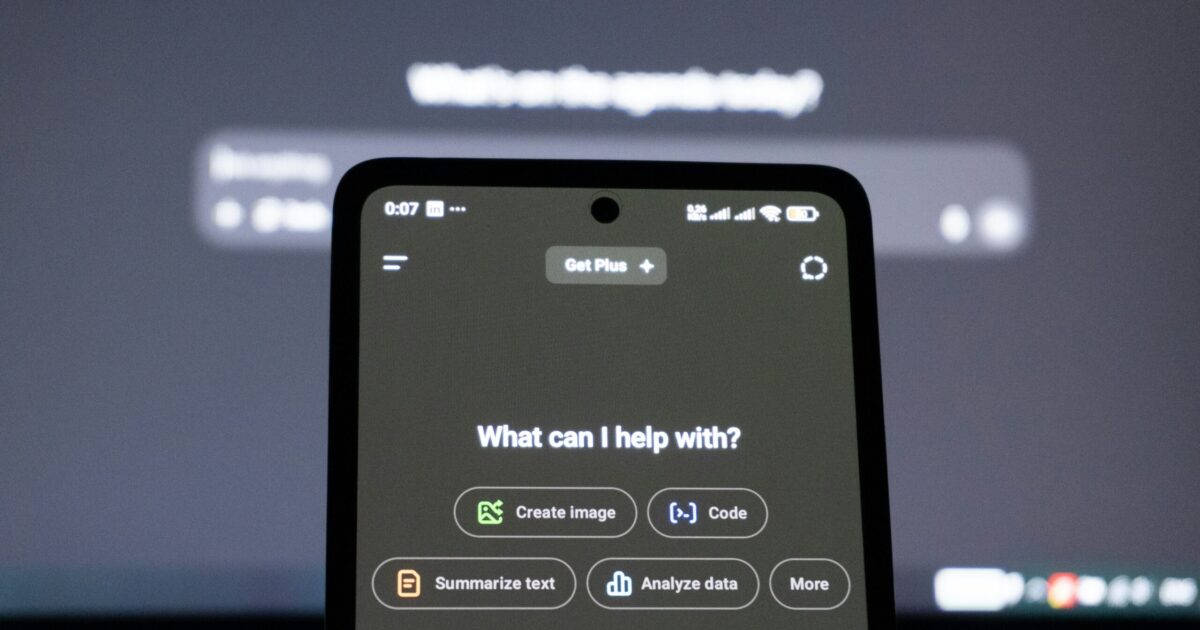
South Carolina Chatbot Regulation - EPIC Supports New Bills
EPIC is backing two South Carolina bills to regulate chatbots. These bills aim to protect personal data and ensure companies are accountable for chatbot harms. This is a significant step towards safer technology use.

Coast Guard's Cybersecurity Rules - Lessons for CISOs
The Coast Guard has introduced new cybersecurity rules under the MTSA. These regulations focus on protecting OT systems and emphasize independent audits. CISOs can learn valuable strategies to enhance security.

FCC Appoints ioXt Alliance as Cyber Trust Mark Overseer
The FCC has appointed the ioXt Alliance to lead its Cyber Trust Mark Program, a move aimed at enhancing IoT device security standards and consumer protection.
ENISA Seeks Top-Tier Status in CVE Program for EU
ENISA is pushing to become a top-tier authority in the CVE program, aiming to boost European representation in cybersecurity. This move responds to the growing complexity of vulnerabilities and the need for more stakeholders. ENISA plans to onboard national CERTs and CSIRTs as CNAs to strengthen its role.

UK's Big Tech Dependency Now Poses National Security Risk
A new report warns that the UK's reliance on US Big Tech could compromise national security. This dependency affects critical infrastructure and policy-making. Urgent action is needed to enhance digital sovereignty and protect against potential risks.

Cyber Resilience - Need for Board-Level Definition Explained
Cyber resilience is crucial for organizations facing complex threats. Boards must understand its implications for governance. A standardized definition is essential for effective oversight.

EU Mandates Coordinated Vulnerability Disclosure - A Cultural Shift
The EU has mandated coordinated vulnerability disclosure, enhancing accountability for vendors. This cultural shift aims to improve cybersecurity practices across member states.
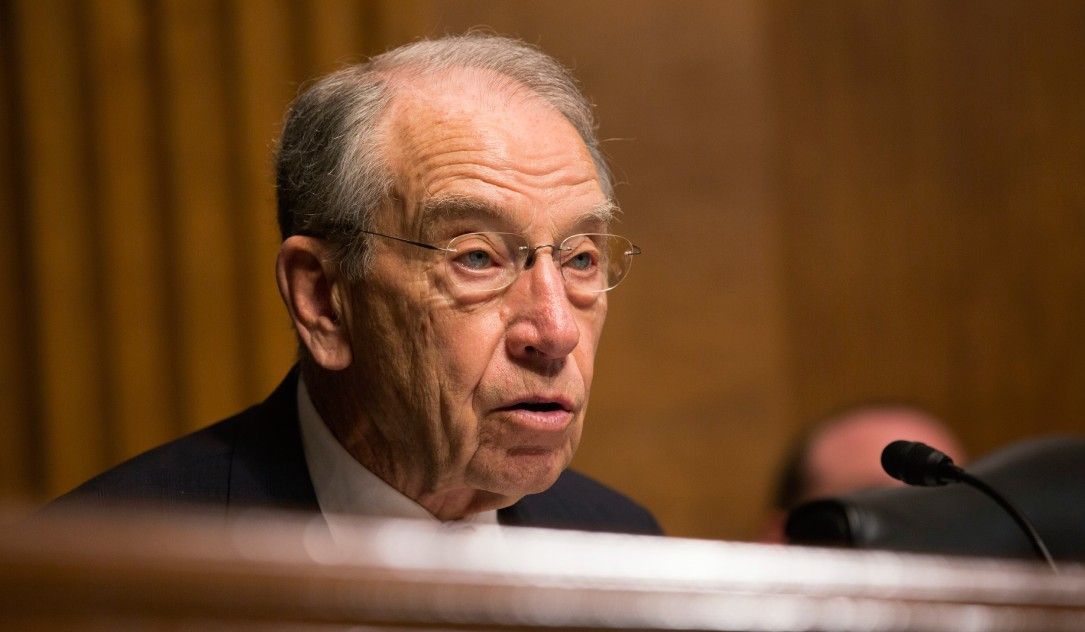
Senator Inquiry - Tech Giants' CSAM Reporting Failures
Senator Chuck Grassley is probing eight tech giants over their inadequate reporting of child sexual abuse materials (CSAM) to NCMEC, raising serious concerns about child safety online.

UK Government Threatens Tech Bosses with Jail Time Over Nudification
The UK government is proposing jail time for tech executives who fail to remove nonconsensual intimate images. This follows the Grok scandal, which saw millions of inappropriate images shared online. The move aims to hold tech companies accountable for user safety and privacy.

UK Government Considers Ban on Signal Jammers Amid Concerns
The UK government is exploring a ban on signal jammers, devices linked to crime and public safety threats. This legislation aims to protect critical infrastructure and reduce criminal activities. Public input is being sought to shape effective laws.

CMMC Compliance - Navigating AI's Role in Regulations
CMMC 2.0 requires federal contractors to prove data protection capabilities. This shift emphasizes accountability and the effective use of AI in compliance processes.

Amazon's CFAA Claims Against AI Tools - What You Need to Know
Amazon is trying to block AI tools that help consumers find better prices online. This legal battle could limit competition and innovation. Stay informed about the implications for your shopping experience.
Court Rules Copyright Can’t Stop Access to Public Laws
A court has ruled that copyright can't restrict access to laws, allowing the public to read and share building codes. This enhances legal transparency and public access to essential information. The decision supports fair use and challenges private copyright claims.
Compliance Complexity - Is IT Capacity Keeping Up?
A recent survey highlights the growing compliance burdens faced by organizations, revealing significant concerns about non-compliance and resource allocation, especially among smaller businesses.
Supply Chain Integrity Risk Assessments - Evaluation Criteria
The Government of Canada has released guidelines for supply chain integrity risk assessments. These criteria help organizations evaluate risks in technology products. Understanding these risks is crucial for protecting sensitive data and operations.
Comp AI - Open-Source Solution for Compliance Automation
Comp AI is revolutionizing compliance by offering an open-source platform that automates the process for SOC 2, ISO 27001, HIPAA, and GDPR. Startups can now simplify audits and reduce manual work significantly. This innovative tool is designed to help organizations meet crucial security regulations more efficiently.

Border Patrol Challenge Coins Raise Regulatory Concerns
Border Patrol agents are selling challenge coins that may violate government rules. This raises serious concerns about the use of federal resources for fundraising. Lawmakers are calling for accountability and oversight.
UK's Data Watchdog - Major Overhaul for Modern Demands
The UK's Information Commissioner's Office is revamping its leadership structure to meet modern data protection challenges. This shift aims to enhance regulatory effectiveness and adapt to evolving demands. Businesses should stay alert for changes in compliance requirements.

FAA Drone Restrictions - First Amendment Rights Under Attack
The FAA's new drone restrictions threaten the First Amendment by criminalizing the filming of ICE and CBP activities. This unprecedented move raises serious legal concerns. EFF and journalists are pushing back against this infringement of rights.

Network Security - Understanding the Complexity Crisis
Network security is facing a complexity crisis due to ineffective policy governance. This impacts compliance and increases vulnerabilities. Organizations must adopt better governance strategies to protect their networks.

Regulation - Tech Nonprofits Urge Feds to Protect AI Safety
Tech nonprofits are calling on the U.S. government to avoid using procurement rules that could undermine AI safety. The proposed changes may risk public trust and privacy. Advocacy efforts are underway to ensure responsible AI practices in government contracts.

Trump’s Voter Database - Wyden Warns of Voter Suppression
Senator Ron Wyden warns that Trump's new voter database could lead to voter suppression. He urges the Social Security Administration to protect citizen data. This executive order raises serious constitutional concerns.

Weakening Speech Protections - Impact on All Users
A California jury found Meta and YouTube liable for user harm, raising concerns about free speech protections. The implications could affect all users online, not just big tech. Advocates are calling for stronger privacy laws to address these issues.

Copyright Claim Against Web Host - Why It Failed
A law firm wrongly accused May First Movement Technology of copyright infringement. EFF stepped in to defend the nonprofit, highlighting flaws in copyright law. This case shows how aggressive tactics can threaten small organizations.

3D Printing - New Regulations Threaten Hobbyists and Professionals
New regulations in California and other states threaten the future of 3D printing by imposing strict blueprint blockers and criminalizing open-source software. This could stifle innovation and limit the creative freedom of hobbyists and professionals alike.

Google and Amazon - Ignored Human Rights Responsibilities
Google and Amazon are ignoring serious human rights risks linked to their cloud services in Israel. Their inaction raises ethical concerns and could have dire consequences for civilians. Advocacy for transparency and accountability is crucial in this situation.

French Senate Passes Bill to Ban Children Under 15 from Social Media
The French Senate has voted to ban social media for children under 15. This legislation aims to protect young users from harmful content. If enacted, it could reshape how minors engage online in Europe.
Organizational Security - Suggested Controls for Medium Impact
A new publication guides organizations on security and privacy controls for medium impact assets. It's crucial for compliance and effective risk management. Tailoring these controls is essential for each organization's needs.

Paramilitary Agents - Unmasking Trump's Immigration Tactics
A shocking analysis reveals the aggressive tactics used by paramilitary agents in immigration raids during Trump's presidency. This unprecedented deployment has raised serious concerns about the militarization of law enforcement and its impact on communities. Ongoing investigations may lead to significant policy changes.
Hackback - Is It the Official US Cybersecurity Strategy?
The US Cyber Strategy hints at allowing private companies to retaliate against cyber threats. This could lead to significant legal and ethical dilemmas. Stay informed about potential changes in cybersecurity laws.

UK Government's Digital ID Panel to Cost £630K
The UK government is investing £630K in a panel to explore public support for a digital ID system. This initiative aims to gather diverse opinions and address privacy concerns. As discussions begin, the outcome could shape the future of digital identity in the UK.

Regulation - Digital Freedom Under Siege Post-Arab Uprisings
Governments are tightening online controls, threatening digital freedom. From Russia to Nigeria, new laws are stifling free expression. This trend raises urgent concerns over censorship and human rights.

White House Executive Order - Limits Mail-in Voting Process
The White House has issued a controversial executive order limiting mail-in voting and mandating federal voter lists. This move is expected to face immediate legal challenges, raising significant constitutional concerns. Stay informed about how these changes could affect your voting rights.
Audit and Accountability - New Policies and Procedures Explained
New audit and accountability policies are rolling out, impacting how organizations manage their audit records. These changes are crucial for ensuring compliance and enhancing security measures. Stay informed to protect sensitive data effectively.
Contingency Planning - Essential Policies and Procedures Explained
Organizations must prepare for emergencies with effective contingency planning. This involves creating policies and procedures to ensure operational continuity. Regular updates and training are essential for success.
Security and Privacy Controls - Assurance Activities Catalogue
A new catalogue has been published to guide organizations on security and privacy controls. It’s essential for compliance and assurance activities. Practitioners should utilize this resource to enhance their security measures.
Planning - Establishing Security and Privacy Procedures
What Happened The latest guidelines emphasize the importance of planning in developing security and privacy procedures for organizational systems. These procedures ensure that security measures are not only documented but also implemented effectively. The guidelines cover various activities, from creating security policies to conducting privacy impact assessments, aimed at enhancing organizational compliance with applicable laws and regulations. Organizations are
Information Security Program Management - Key Guidelines Explained
New guidelines for information security program management have been released. These affect federal agencies and any organization handling sensitive data. It's vital for compliance and data protection.
Risk Assessment - Understanding Policy and Procedures
Organizations must implement effective risk assessment policies to safeguard sensitive data. This framework outlines the necessary procedures and activities for compliance and security.
Physical and Environmental Protection - Key Policies Explained
New physical and environmental protection policies are here! These guidelines impact how access is controlled and monitored in secure facilities. Understanding these measures is vital for compliance and safety.
Personnel Security - Understanding Policies and Procedures
Personnel security policies are vital for safeguarding sensitive information. They ensure only authorized individuals access critical systems. Regular updates and screenings are essential for maintaining security.
System and Services Acquisition - New Policies Explained
New policies for system and services acquisition are here! These guidelines ensure security and resource allocation are prioritized. It's crucial for compliance and protecting sensitive data.

Email Authentication - Organizations Still Misunderstand Basics
In 2026, many organizations still fail to implement effective email authentication, risking security and compliance. Regulatory pressures are increasing, demanding better measures.