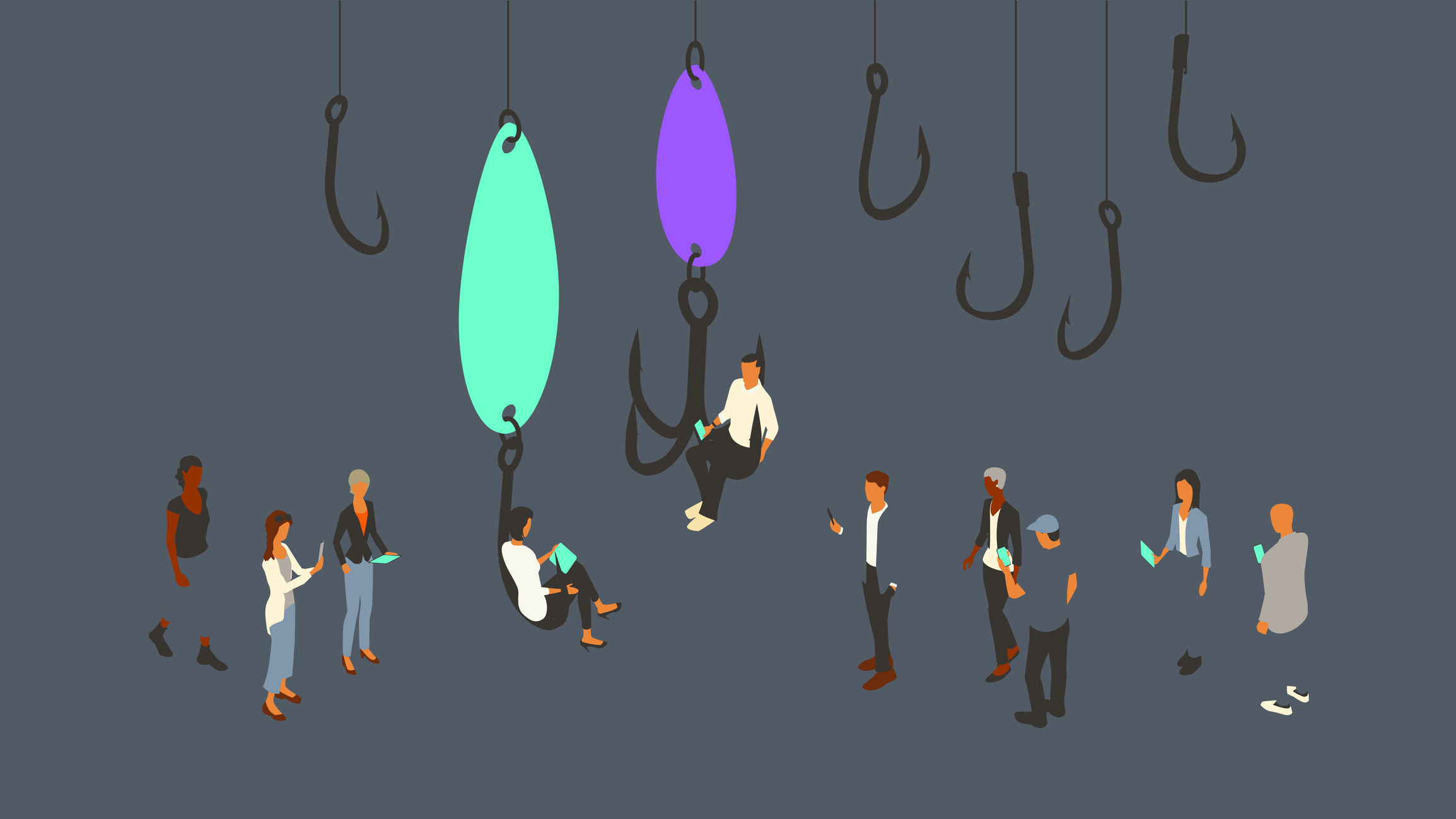
🎯Basically, hackers are trying to break into devices by guessing passwords more than before.
What Happened
In the first quarter of 2026, there has been a notable increase in brute-force cyberattacks originating from the Middle East. These attacks have primarily focused on devices from SonicWall and Fortinet, two major players in the cybersecurity industry. Researchers have observed this alarming trend and are raising awareness about the potential vulnerabilities these devices face.
Who's Behind It
The surge in attacks is attributed to various threat actors operating in the region. These hackers are employing brute-force methods, which involve systematically guessing passwords until they gain access to targeted systems. This approach can be particularly effective against devices that have weak or default credentials.
Tactics & Techniques
Brute-force attacks can vary in sophistication. Some attackers may use simple scripts to automate password guessing, while others might employ more advanced techniques, such as using lists of commonly used passwords or leveraging previously leaked credentials. The goal is to gain unauthorized access to devices, which can lead to further exploitation or data breaches.
Defensive Measures
Organizations using SonicWall and Fortinet devices should take immediate steps to bolster their defenses. Here are some recommended actions: By taking these proactive measures, organizations can significantly reduce their risk of falling victim to these brute-force attacks.
Do Now
- 1.Change default passwords: Ensure all devices have unique, strong passwords that are not easily guessable.
- 2.Enable account lockout policies: Implement policies that temporarily lock accounts after a certain number of failed login attempts.
Do Next
- 3.Monitor logs for suspicious activity: Regularly review access logs to identify any unusual login attempts.
- 4.Update firmware regularly: Keep all devices updated with the latest security patches to mitigate known vulnerabilities.
🔒 Pro insight: The rise in brute-force attacks highlights the need for robust password policies and multi-factor authentication to mitigate risks.