🎯Basically, a U.S. official says China helps criminals run scams that steal money from Americans.
What Happened
A senior U.S. official has made serious allegations against the Chinese government, claiming it supports criminal syndicates involved in cyber scams across Southeast Asia. During a congressional hearing, Reva Price, a commissioner with the U.S.-China Economic and Security Review Commission, highlighted that these scams have resulted in over $16 billion in losses for Americans each year. Price pointed out that while China has publicly cracked down on some scam operations, it has been selective, allowing those targeting foreigners to flourish.
The situation is alarming, as these scams are not just isolated incidents. They are deeply intertwined with China's Belt and Road Initiative, a global development strategy. Price revealed that some scam leaders have benefitted from projects associated with this initiative, raising questions about the extent of the Chinese government's involvement in these illicit activities.
Who's Being Targeted
The primary victims of these scams are American citizens, who have increasingly become targets for Chinese-linked criminal operations. Price noted that losses from online scams in the U.S. surged by 40% in 2024, while losses in China decreased by 30%. This shift indicates that Chinese scam syndicates have been incentivized to focus on American victims, exploiting the perceived vulnerabilities of U.S. citizens. Moreover, the tactics employed by these syndicates have evolved. They are now operating within China under the guise of targeting foreigners, a practice referred to as 'Foreign Butchering.' This strategy allows them to evade law enforcement while continuing their criminal activities.
What's at Risk
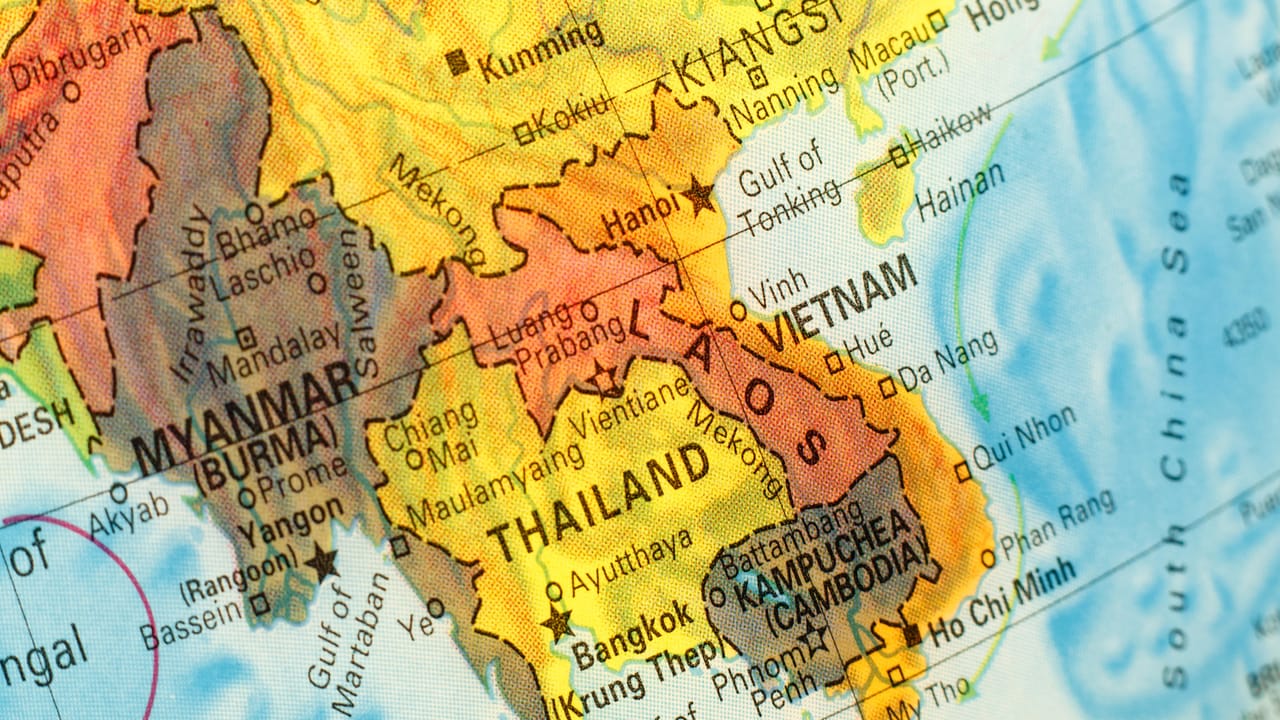
The scale of the cyber scam operations is staggering. Estimates suggest that these operations in Myanmar, Cambodia, and Laos generate about $44 billion, accounting for 40% of the combined GDP of these countries. This massive financial footprint not only harms individual victims but also poses a significant risk to regional stability and international relations.
China's involvement has further complicated the situation. By leveraging the international concern over these scams, Beijing has tightened its grip on the governments of Cambodia, Laos, and Thailand, embedding its law enforcement apparatus locally. This influence raises concerns about sovereignty and the potential for increased criminal activities under the guise of law enforcement cooperation.
How to Stay Safe
In light of these developments, U.S. lawmakers are calling for a multifaceted approach to combat these cyber scams. One proposed solution is the establishment of a centralized scam reporting portal to streamline the process for victims. Many individuals feel lost and unsure about where to report their losses, leading to a lack of accountability for scammers.
Additionally, experts are advocating for stricter regulations on technology companies, particularly those that facilitate scam advertisements. There is also a push for better collaboration between federal and state law enforcement agencies to improve information sharing and response times. As the threat from these cyber scams continues to grow, it is crucial for both individuals and governments to remain vigilant and proactive in their efforts to combat this crisis.
🔒 Pro insight: The U.S. must prioritize diplomatic pressure on China to address the growing threat of cyber scams targeting American citizens.
.webp)