🎯Basically, scammers are tricking ships into paying for fake safe passage through a dangerous area.
What Happened
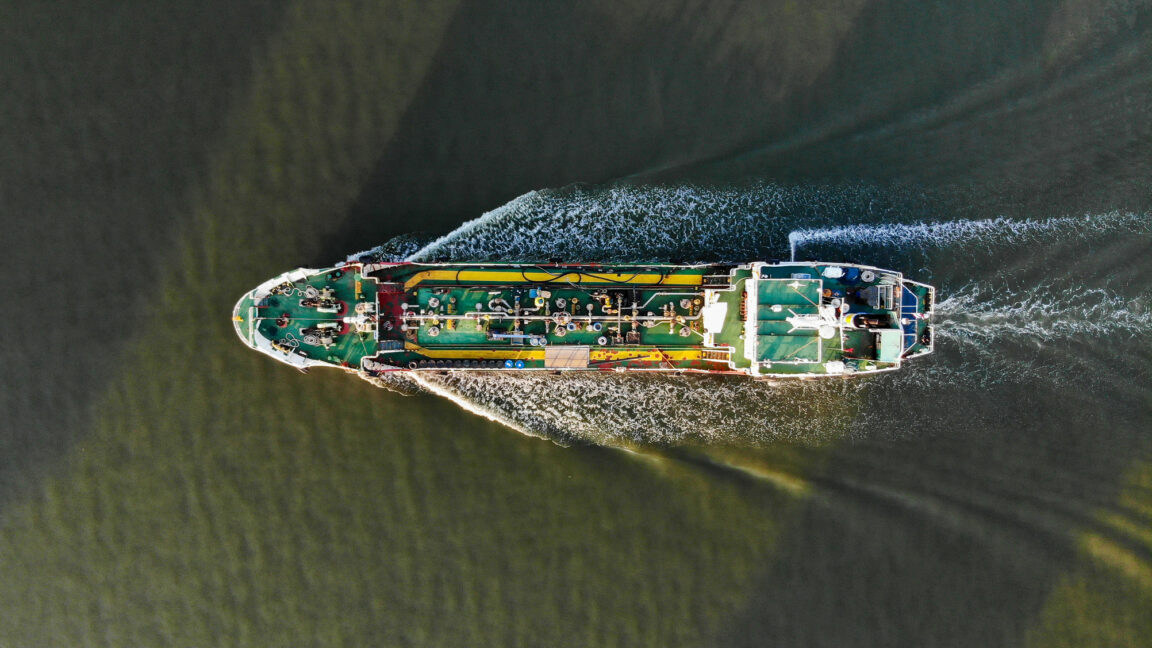
A troubling crypto scam has emerged, targeting ships in the Strait of Hormuz, a crucial maritime route. Reports indicate that scammers impersonating Iranian authorities have been soliciting bitcoin or tether payments from shipping companies for supposed transit fees. This scheme has already led to at least one ship being fired upon by Iranian military forces after it may have believed it had paid for safe passage.
The Greek maritime risk management company MARISKS issued a warning on April 20, highlighting the scam's potential to confuse shipping companies amid Iran's claims of controlling the strait. On April 18, a vessel attempted to navigate through the strait but turned back after being fired upon, raising suspicions it had fallen victim to the scam.
Who's Affected
The scam affects shipping companies and the thousands of vessels currently stranded near the Strait of Hormuz. Approximately 2,000 ships and 20,000 mariners are caught in a precarious situation due to escalating military tensions in the region. The Liberia-flagged cargo ship Epaminondas, owned by Technomar shipping and operated by MSC, was also targeted, facing gunfire after allegedly receiving fraudulent permission to pass.
What Data Was Exposed
While there isn't specific data exposure in the traditional sense, the scam highlights the vulnerabilities in maritime communications and the potential for financial loss. Companies may be misled into making payments, which can have severe financial implications.
What You Should Do
Shipping companies must be vigilant and verify any requests for payments, especially those demanding cryptocurrency. Here are some recommended actions:
Identify
- 1.Double-check communications: Always confirm requests through official channels.
- 2.Educate crews: Ensure that all mariners are aware of the scam and understand the risks involved.
Protect
The Bigger Picture
The situation in the Strait of Hormuz has become increasingly volatile, with military operations from both the US and Iranian forces creating a chaotic environment. The combination of military actions and scams poses a dual threat to maritime safety and economic stability in the region. As tensions rise, the risk of falling victim to scams increases, making it essential for shipping companies to remain alert and informed.
🔒 Pro insight: Analysis pending for this article.