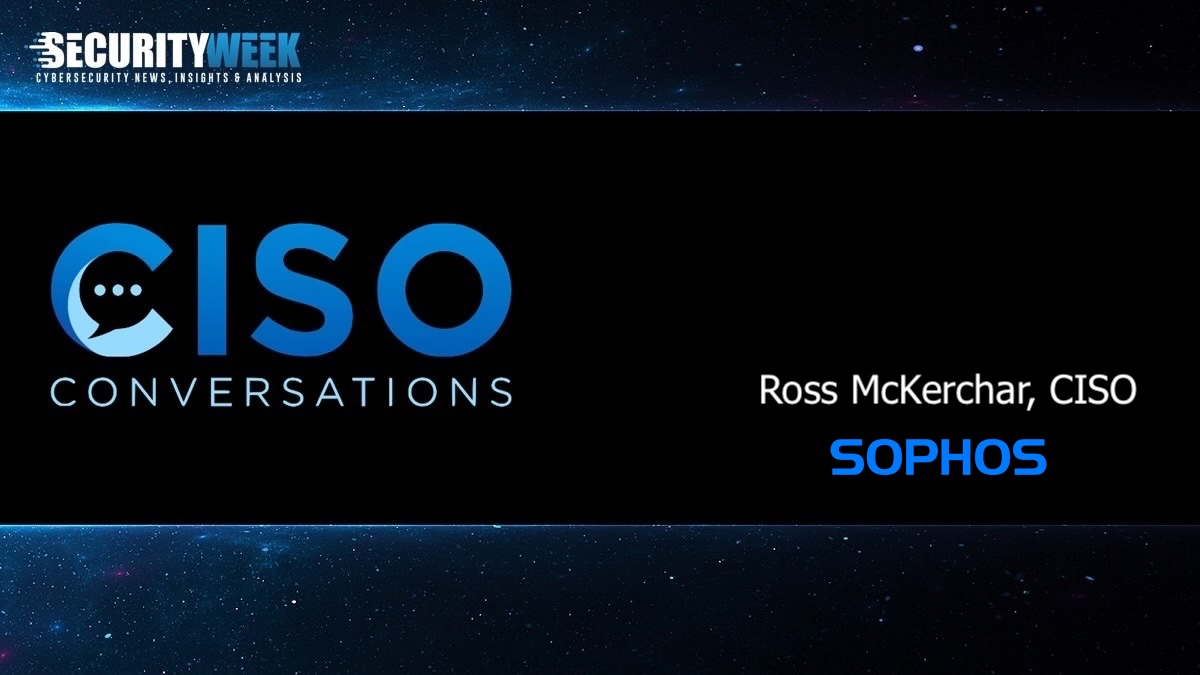
🎯Basically, Ross McKerchar talks about leading cybersecurity teams and the impact of AI on threats.
What Happened
In a recent conversation, Ross McKerchar, the Chief Information Security Officer (CISO) at Sophos, shared his journey in cybersecurity and his insights on leadership in the industry. Having started as the first security engineer at Sophos 18 years ago, McKerchar has witnessed significant changes in the cybersecurity landscape.
Leadership Journey
McKerchar emphasized that leadership in cybersecurity can be learned, but it requires passion and dedication. He began his career believing that IT was a solid career choice, but soon found that cybersecurity offered a more engaging narrative. He transitioned from IT to cybersecurity, recognizing the importance of storytelling in the field, particularly when discussing cybercrime.
As a leader, McKerchar has had to adapt to a rapidly changing environment, particularly regarding team dynamics and talent management. He noted that the cybersecurity skills gap is often mischaracterized, with a greater demand for experienced professionals rather than entry-level graduates. This challenge is exacerbated by companies often ramping up security only after an attack, leading to a sudden need for seasoned experts.
The AI Factor
A significant part of the conversation focused on the implications of artificial intelligence (AI) in cybersecurity. McKerchar expressed caution regarding the narrative that AI will reduce the need for human experts. He believes that while AI can automate certain tasks, it lacks the contextual understanding that human analysts possess. The current use of AI in phishing attacks is notable, but the sophistication of these attacks has not yet reached the level of skilled human adversaries.
Mental Health in Cybersecurity
Another critical topic McKerchar addressed was the issue of burnout in the cybersecurity field. He highlighted that the constant pressure and stress associated with being on call can lead to mental exhaustion. To combat this, he advocates for reducing stress levels and promoting a positive work environment. Encouraging team members to engage in projects they find enjoyable can help mitigate burnout and improve overall job satisfaction.
Conclusion
Ross McKerchar's insights shed light on the challenges and responsibilities of a CISO in today’s cybersecurity landscape. His emphasis on leadership, the evolving role of AI, and the importance of mental health in the workplace are crucial considerations for anyone in the field. As the cybersecurity landscape continues to evolve, the role of leaders like McKerchar will be vital in navigating these challenges and fostering a resilient workforce.
🔒 Pro insight: McKerchar's focus on team dynamics and AI's role reflects a growing need for adaptive leadership in cybersecurity.