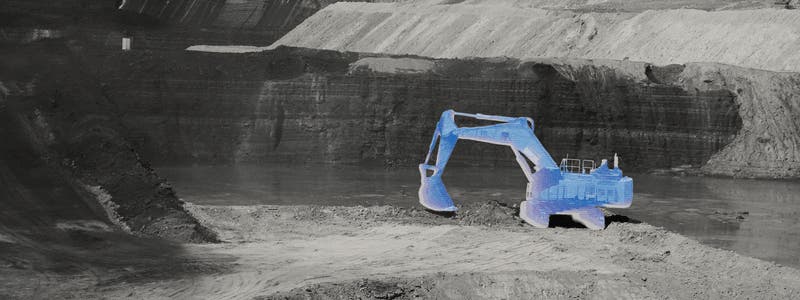
🎯Basically, countries are competing for important minerals, and cyber attacks are being used to gain an advantage.
What Happened
Critical minerals and rare earth elements (REEs) have transformed from mere commodities into strategic dependencies. China's dominance in their processing and refining gives it substantial geopolitical leverage, leading to intensified competition among nations. This competition is expanding into new frontiers, including the Arctic and space, introducing legal and environmental challenges.
The Threat
Cyber operations are increasingly linked to the competition for these resources. State-sponsored and criminal cyber actors are targeting mining organizations to gain strategic advantages. Insikt Group has reported that these cyber threats are expected to rise as the importance of critical mineral supply chains grows.
Who's Behind It
China has been identified as a key player in these cyber operations. For instance, APT15, a Chinese state-sponsored threat actor, has targeted mining companies in Canada and Indonesia, aiming to secure insights into mining regulations and rival nations' strategies. Additionally, groups like Silent Lynx have been reported to target Russia's mining sector, indicating a broader trend of cyber threats in the mining industry.
Tactics & Techniques
The cyber tactics employed include sophisticated intrusions and ransomware attacks. For example, in 2024, the ransomware group BianLian compromised Northern Minerals, an Australian rare earths producer, shortly after it ordered Chinese-linked investors to divest. This incident highlights how criminal groups may operate in coordination with state actors, using ransomware as a cover for state-sponsored operations.
Defensive Measures
To mitigate these risks, organizations in the mining sector should enhance their cybersecurity measures. This includes regular security assessments, employee training on phishing attacks, and implementing robust incident response plans. Additionally, fostering collaboration with government agencies can help in sharing threat intelligence and improving defenses against state-sponsored cyber operations.
Outlook
As the demand for critical minerals continues to rise, the U.S. and its allies are likely to intensify efforts to reduce dependence on China. Control over mineral supply chains will be crucial in determining leadership in the Fourth Industrial Revolution. The intersection of resource competition and cyber threats will shape the future landscape of global geopolitics.
🔒 Pro insight: The intertwining of resource competition and cyber operations suggests a new era of geopolitical conflict, where mining sectors become battlegrounds for cyber espionage.