Cyber Risk Management - IBM and CyberSaint Discuss Impact
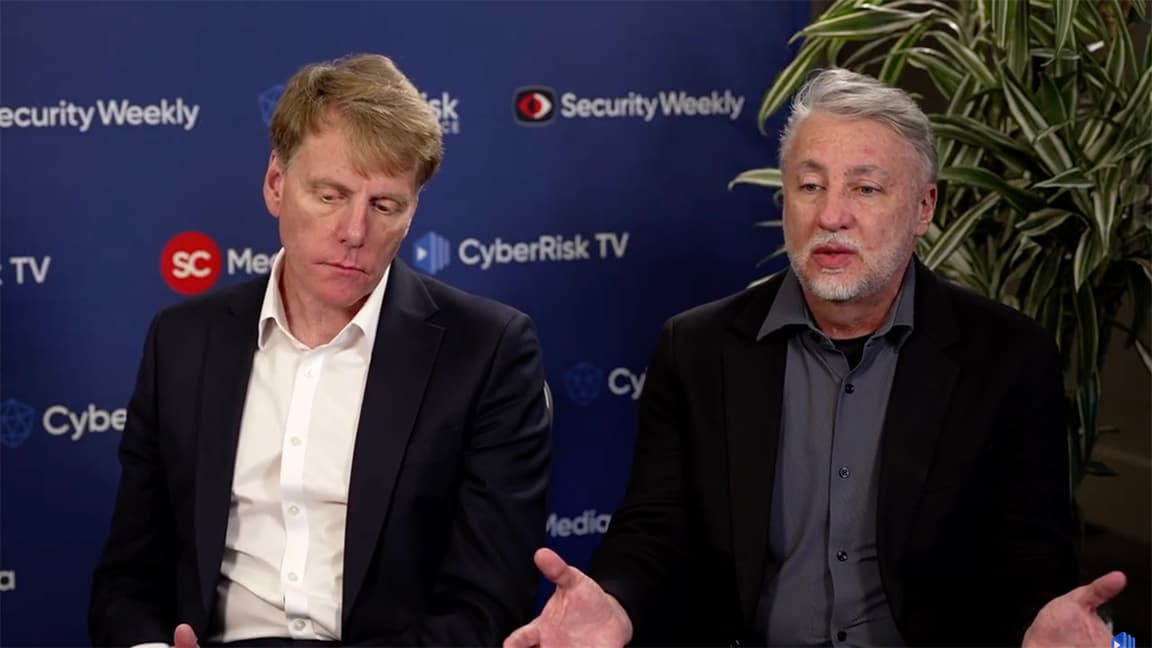
Basically, IBM and CyberSaint talk about how to turn cyber risks into business benefits.
IBM and CyberSaint discuss transforming cyber risk into business impact. Their insights highlight the importance of continuous risk management and AI-driven strategies for organizations.
What Happened
In a recent discussion, leaders from IBM and CyberSaint tackled the pressing issue of transforming cyber risk into tangible business impact. With cybersecurity teams generating unprecedented amounts of data, the challenge lies in converting this data into actionable insights that align with business objectives. As organizations face mounting pressure from boards and regulators, the necessity for a more continuous and intelligent approach to cyber risk management has never been clearer.
Jerry Layden, CEO of CyberSaint, and IBM's Mark Hughes and Fabio Campos shared their insights on how organizations are evolving their practices. They highlighted a significant shift from static assessments of risk to a more dynamic, continuous risk visibility model. This transformation is essential for organizations striving to stay ahead of evolving threats while maintaining alignment with business priorities.
Who's Affected
This conversation is particularly relevant for cybersecurity professionals, business leaders, and organizations across various sectors. As cyber threats grow more sophisticated, the need for effective risk management is critical. Companies that fail to adapt may find themselves vulnerable to attacks that could disrupt operations and damage reputations.
Moreover, boards of directors and regulatory bodies are increasingly scrutinizing how organizations manage their cyber risks. The insights shared by IBM and CyberSaint can help these stakeholders understand the importance of integrating cybersecurity into business strategies, ensuring that risk management is not just an IT issue but a core business concern.
What Data Was Exposed
While the discussion did not focus on specific data breaches or exposures, it emphasized the importance of leveraging real-time data and AI-driven insights for better decision-making. Organizations are encouraged to utilize automation to enhance their security operations and improve their ability to respond to threats.
The leaders discussed operationalizing cyber risk management in ways that yield measurable outcomes. This approach not only helps in mitigating risks but also supports business growth by enabling organizations to make informed decisions based on comprehensive risk assessments.
What You Should Do
Organizations should consider adopting a continuous risk management framework that integrates cybersecurity with business operations. Here are some recommended actions:
- Invest in automation to streamline security operations and enhance response times.
- Utilize AI-driven insights to gain a clearer understanding of risk exposure and potential vulnerabilities.
- Engage with stakeholders across the organization to ensure alignment on risk management priorities.
- Regularly review and update risk management strategies to adapt to new threats and business changes.
By taking these steps, organizations can not only protect themselves from cyber threats but also leverage their cybersecurity posture to drive business success.