Cyberattacks Intensify Pressure on Latin American Governments
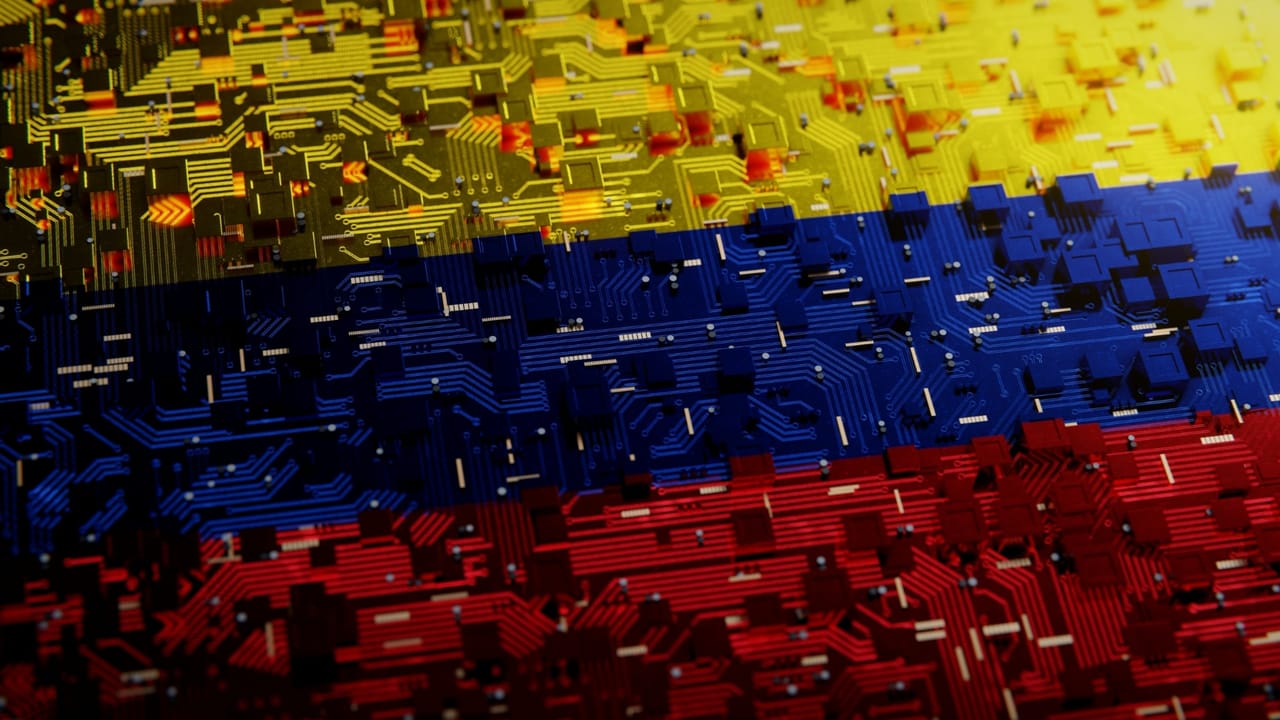
Basically, hackers are attacking government systems in Latin America more than ever.
Cyber threats are on the rise in Latin America, targeting government systems. Puerto Rico faces disruptive attacks, while Colombia's health sector is under siege. This escalating trend poses serious risks to public services and national security.
The Threat
Cyberattacks are becoming more frequent and severe across Latin America. Governments are facing a wave of cyber threats that disrupt services and compromise sensitive data. In Puerto Rico, disruptive attacks have caused significant operational challenges for government agencies. Meanwhile, Colombia is experiencing a surge of cyber probes targeting its health sector, raising alarms about the security of vital services.
These attacks are not just random; they reflect a growing trend of cybercriminals focusing on government systems. The motivations behind these attacks can range from political agendas to financial gain. As cyber threats evolve, they pose a serious risk to public safety and national security.
Who's Behind It
While specific threat actors may vary, the attacks often stem from organized cybercriminal groups and state-sponsored actors. These groups exploit vulnerabilities in government systems to gain access to sensitive information. In recent months, there has been an uptick in coordinated attacks aimed at destabilizing government operations.
The implications of these threats are far-reaching. When health systems are targeted, it not only disrupts services but can also endanger lives. Governments must remain vigilant and proactive in their cybersecurity efforts to combat these growing threats.
Tactics & Techniques
Cybercriminals employ various tactics to infiltrate government systems. Common methods include phishing attacks, malware deployment, and exploiting known vulnerabilities. These tactics are often combined to create sophisticated attack vectors that can bypass traditional security measures.
Governments in Latin America are particularly vulnerable due to outdated systems and insufficient cybersecurity resources. As attackers refine their techniques, the need for robust defenses becomes increasingly critical. Cybersecurity awareness and training for government employees are essential to mitigate risks.
Defensive Measures
To counter these rising threats, Latin American governments must adopt a multi-faceted approach to cybersecurity. This includes investing in advanced security technologies, conducting regular security assessments, and fostering international cooperation to share threat intelligence.
Additionally, establishing incident response teams can help governments respond swiftly to attacks. Public awareness campaigns can also educate citizens about the importance of cybersecurity, creating a more resilient society against cyber threats. The time to act is now, as the pressure on Latin American governments continues to mount.