Digital Operational Resilience Act (DORA) - What You Need to Know
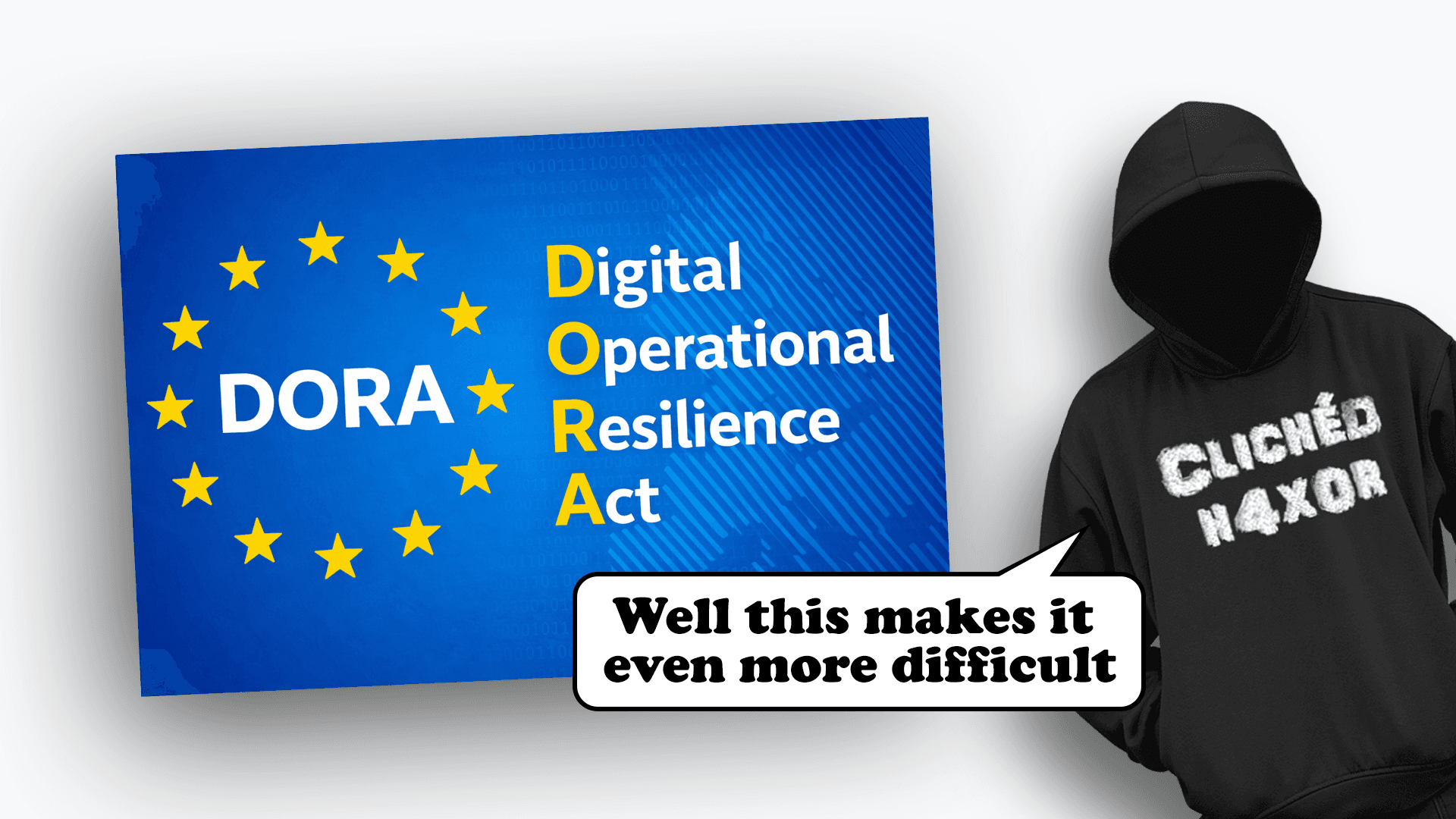
Basically, DORA is a rule that helps banks and financial services stay safe from tech failures and cyber attacks.
DORA is a new EU regulation that enhances operational resilience for financial services. It sets strict standards for ICT risk management and incident reporting. Compliance is essential for financial entities and their tech providers to avoid penalties.
What Happened
The Digital Operational Resilience Act (DORA), formally known as Regulation (EU) 2022/2554, is a significant piece of legislation that came into effect on January 16, 2023, with full application starting January 17, 2025. This regulation aims to ensure that financial services in the EU can continue to operate effectively, even when faced with technological failures or cyber incidents. DORA sets a consistent baseline for how financial entities manage ICT risk and operational resilience, addressing the inconsistencies that have plagued the sector across different EU nations.
DORA's introduction comes at a time when financial organizations have been investing heavily in ICT risk management and disaster recovery. However, these practices have often been implemented unevenly, leading to regulatory duplications and varying enforcement levels. By creating a comprehensive EU-wide framework, DORA aims to standardize expectations for banks, insurers, investment firms, and payment companies, ensuring they can withstand and recover from disruptions.
Who's Affected
DORA applies to a wide range of financial organizations, including banks, insurers, investment firms, and payment institutions. Additionally, it impacts ICT service providers that support these entities, such as cloud service providers and security tool vendors. While these tech providers are not directly regulated like banks, they will face new procurement, contract changes, and incident reporting obligations due to DORA.
The regulation emphasizes the importance of consistency across the EU. Instead of each country having its own resilience standards, DORA establishes a uniform approach, making it easier for financial entities to understand and comply with their obligations. This consistency is crucial for maintaining operational resilience in a sector that is increasingly reliant on technology.
What DORA Covers
DORA is structured around five key pillars that address critical aspects of digital operational resilience:
- ICT Risk Management: Financial entities must have a robust framework to identify and manage ICT risks effectively.
- Incident Management and Reporting: There are strict guidelines for how incidents should be detected, managed, and reported to authorities.
- Digital Operational Resilience Testing: Regular testing of systems is required to ensure they can withstand disruptions.
- Third-Party Risk Management: Entities must assess and manage risks associated with their ICT service providers.
- Information Sharing: DORA encourages voluntary sharing of information about cyber threats and incidents among financial entities.
These pillars are designed to ensure that resilience is not just a theoretical concept but is embedded in the daily operations of financial organizations.
Compliance and Enforcement
Compliance with DORA is not optional; financial entities must demonstrate their ability to prevent, detect, respond to, and recover from ICT disruptions. This includes adhering to strict reporting timelines for major incidents, which require initial notifications within four hours and final reports within one month.
The penalties for non-compliance are still being clarified, but member states are expected to impose administrative penalties and remedial measures for breaches. The regulation aims to enforce a culture of accountability and resilience within the financial sector, ensuring that organizations take their operational resilience seriously. As such, DORA represents a significant shift in how financial services manage their technology risks and operational resilience.