🎯Basically, the EFF is suing the government to find out how they are trying to identify people who criticize them online.
What Happened
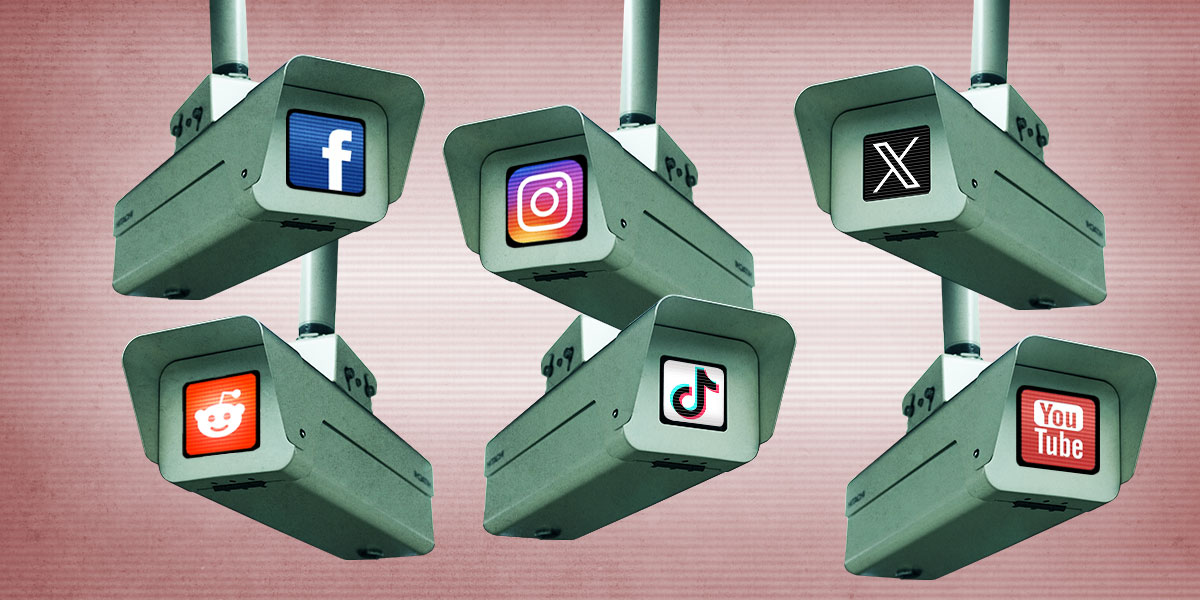
The Electronic Frontier Foundation (EFF) has taken legal action against the Department of Homeland Security (DHS) and Immigration and Customs Enforcement (ICE). The lawsuit demands access to public records regarding the agencies' use of administrative subpoenas aimed at unmasking online critics. This follows a troubling trend where DHS has reportedly used these subpoenas to identify individuals who have documented ICE's activities, criticized the government, or participated in protests.
Why This Matters
The use of administrative subpoenas is particularly concerning because they do not require judicial approval. This lack of oversight raises significant First Amendment issues, as the subpoenas target individuals engaged in protected speech. The EFF argues that the public has a right to understand the legal justifications DHS and ICE claim allow them to issue these subpoenas.
Who's Affected
The lawsuit highlights the potential impact on anyone who has criticized government actions or attended protests. This includes everyday citizens, activists, and journalists who document government activities. The chilling effect on free speech is profound, as individuals may fear repercussions for expressing dissenting opinions.
What Data Was Exposed
While administrative subpoenas cannot access the content of communications, they can demand basic subscriber information. This includes names, addresses, IP addresses, and session times, which can be used to trace individuals' online activities. The EFF's complaint indicates that the agencies have not disclosed how many subpoenas have been issued or the processes behind them.
What You Should Do
If you are concerned about your online privacy, consider the following actions: The EFF's lawsuit is a critical step in holding government agencies accountable for their surveillance practices and ensuring that citizens' rights are protected in the digital age.
Assessment
- 1.Stay Informed: Follow updates from organizations like the EFF regarding your rights and government actions.
- 2.Use Privacy Tools: Employ VPNs or privacy-focused browsers to help protect your identity online.
Compliance
🔒 Pro insight: The outcome of this lawsuit could set a precedent for how government agencies utilize administrative subpoenas against online dissenters.