FBI Dismantles $20M Phishing Operation W3LL
Significant risk — action recommended within 24-48 hours
Basically, the FBI shut down a big scam that tricked people into giving away their passwords.
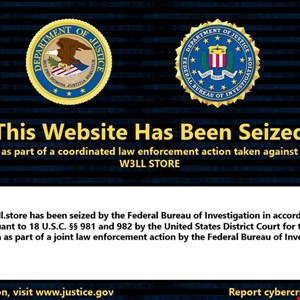
The FBI has taken down a major phishing operation linked to $20 million in fraud. The W3LL kit tricked thousands into revealing personal information. This crackdown serves as a reminder of the ongoing threat of cybercrime.
What Happened
The FBI, in collaboration with Indonesian law enforcement, has successfully dismantled a large-scale phishing network known as W3LL. This operation was responsible for over $20 million in fraudulent activities. The W3LL phishing kit enabled cybercriminals to create fake login pages, tricking victims into revealing their usernames and passwords. For a fee of $500, anyone could acquire this kit, which was sold on a members-only marketplace called the W3LL Store.
Who's Affected
The phishing operation targeted more than 17,000 victims globally between 2023 and 2025. The W3LL Store, active from 2019 to 2023, facilitated the sale of over 25,000 compromised accounts. The victims ranged from individuals to businesses, all of whom were at risk of identity theft and financial loss.
What Data Was Exposed
The W3LL phishing kit was designed to capture sensitive information, including usernames and passwords from various online services. The compromised accounts could lead to unauthorized access to personal and financial data, heightening the risk of identity theft for the victims.
What You Should Do
If you suspect you may have been a victim of the W3LL phishing operation, take the following steps:
- Change your passwords immediately for any accounts that may have been compromised.
- Enable two-factor authentication on your accounts to add an extra layer of security.
- Monitor your financial statements for any unauthorized transactions.
- Report any suspicious activity to your bank and local authorities.
The Phishing Ecosystem
W3LL was not just a standalone phishing kit; it represented a complete ecosystem for conducting business email compromise (BEC) attacks. The threat actor behind W3LL had been active since at least 2017, initially selling a custom tool for sending spam emails. The marketplace boasted over 500 active users and listed more than 12,000 items for sale at its peak.
Conclusion
The dismantling of the W3LL phishing operation is a significant victory for law enforcement agencies. It highlights the ongoing battle against cybercrime and the importance of remaining vigilant against phishing attempts. As cybercriminals continue to evolve their tactics, it is crucial for individuals and businesses to adopt robust security measures to protect their sensitive information.
🔍 How to Check If You're Affected
- 1.Check for any unauthorized access to your accounts.
- 2.Review email accounts for phishing attempts.
- 3.Use security tools to scan for compromised credentials.
🗺️ MITRE ATT&CK Techniques
🔒 Pro insight: The W3LL operation exemplifies the sophisticated tactics employed in modern phishing schemes, necessitating ongoing vigilance from both users and cybersecurity professionals.