CWE Weakness Patterns - The Case for Systematic Fixes
Moderate risk — monitor and plan remediation
Basically, fixing patterns of weaknesses in software is better than just patching individual bugs.
Alec Summers discusses the importance of fixing CWE weakness patterns instead of just patching bugs. This proactive approach can reduce recurring work for security teams and improve vulnerability management.
What Happened
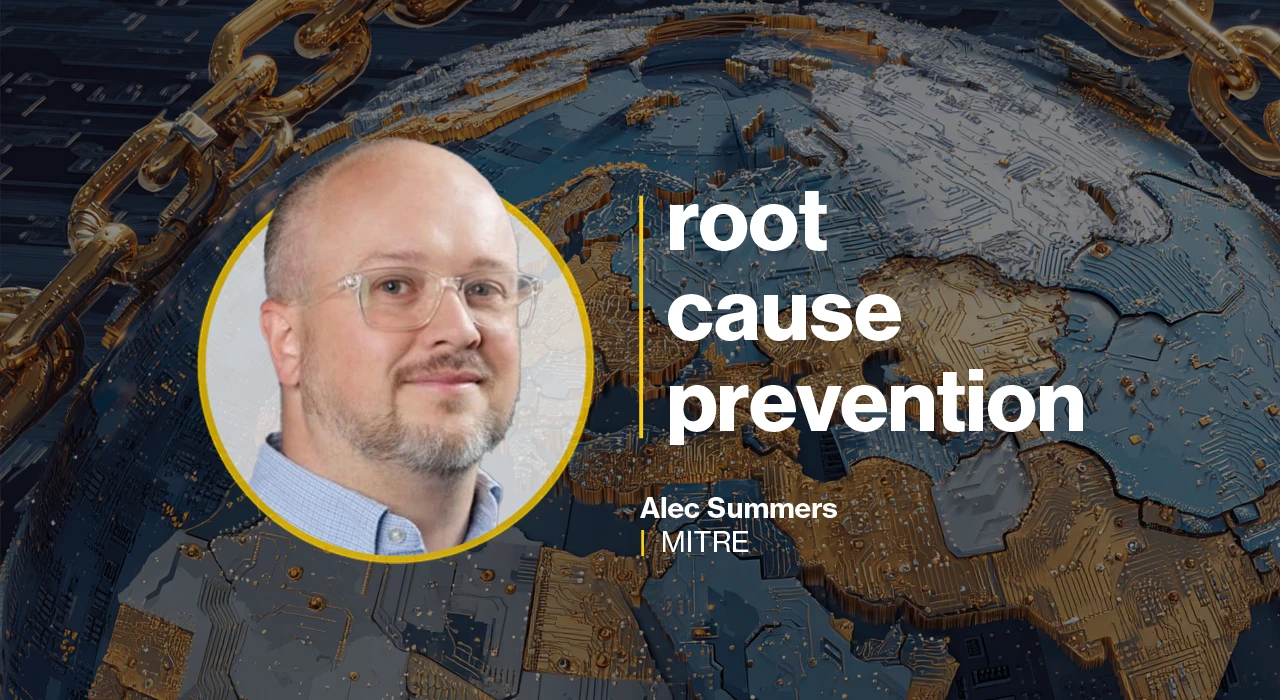
In a recent interview with Help Net Security, Alec Summers, MITRE CVE/CWE Project Lead, highlighted a significant shift in how vulnerabilities are being managed. The Common Weakness Enumeration (CWE) framework is transitioning from a mere reference tool to an active component in vulnerability disclosure. This change is crucial as it allows teams to understand the root causes of vulnerabilities, rather than just addressing the symptoms.
The Shift in Vulnerability Management
Historically, CWE was underutilized despite its importance in identifying and preventing vulnerabilities. Now, more CVE records are incorporating CWE mappings, leading to better root-cause data. This is particularly valuable as it helps teams prioritize and remediate vulnerabilities more effectively. The increased integration of CWE into vulnerability disclosure signifies a growing recognition of its importance.
Automation's Role
Automation tools are playing a key role in mapping weaknesses accurately. These tools help analysts identify weakness patterns and apply CWE more consistently. However, there are risks involved. If these tools are trained on poor examples, they can perpetuate inaccuracies at scale. Thus, while automation can enhance efficiency, it must be paired with human judgment to ensure accuracy.
Economic Impact
Summers emphasizes the economic benefits of addressing root causes rather than patching individual vulnerabilities. By fixing underlying weaknesses, organizations can reduce the frequency of vulnerabilities and the associated costs of incident response. This proactive approach can ultimately lead to significant savings and a more secure software development lifecycle.
Semantic Gaps in Understanding
One of the challenges highlighted is the semantic gap in how different stakeholders understand CWE. The focus has traditionally been on vulnerabilities and attacks, but CWE encourages a shift towards understanding the weaknesses that lead to these vulnerabilities. Bridging this gap is essential for fostering a shared understanding across researchers, vendors, and defenders.
Conclusion
The conversation around vulnerability management is evolving. By focusing on fixing CWE weakness patterns, organizations can not only improve their security posture but also streamline their processes. This shift requires a commitment from all stakeholders to prioritize root-cause analysis and prevention in their cybersecurity strategies.
🔒 Pro insight: Emphasizing CWE mappings in vulnerability disclosures can significantly enhance root-cause analysis and lead to more effective remediation strategies.