🎯Basically, fraudsters trick banks into opening fake accounts to steal money.
What Happened
In recent months, financial fraud has surged in France, particularly targeting B2B fintech platforms. Criminals are exploiting corporate and retail accounts through a method known as mule account creation. This operation involves sophisticated techniques, including device fingerprinting, to bypass security measures and create fake accounts.
How It Works
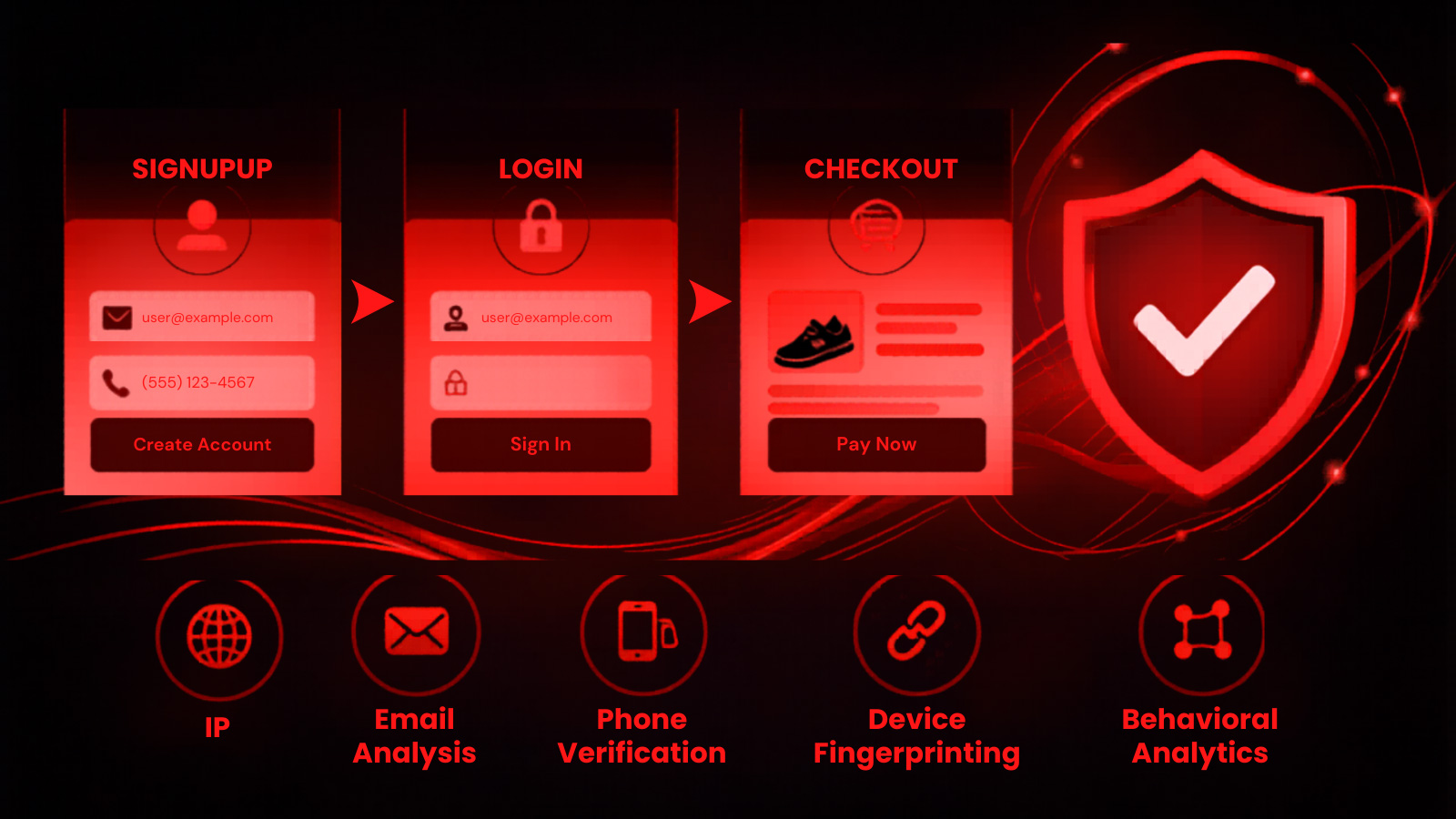
Fraudsters use device fingerprinting to gather detailed information about the devices used to access these platforms. This data helps them create profiles that mimic legitimate users. Once they establish these profiles, they can open accounts that appear authentic.
Who's Being Targeted
The primary targets of this fraud scheme are financial institutions and their customers, including both corporate entities and individual retail users. By exploiting these accounts, fraudsters can facilitate money laundering and other illicit activities.
Signs of Fraud
Organizations should be vigilant for the following signs of fraudulent activity:
- Unusual login patterns from new devices.
- Multiple accounts created from the same IP address.
- Transactions that deviate from normal behavior for the account.
How to Protect Yourself
To mitigate the risks associated with mule account fraud, businesses should implement the following measures:
Identify
- 1.Enhance identity verification processes to ensure that account creation is legitimate.
- 2.Utilize advanced fraud detection tools that can analyze device behavior and flag anomalies.
Protect
Conclusion
The rise of mule account creation on B2B fintech platforms in France highlights the need for enhanced security measures. Financial institutions must stay ahead of these evolving threats to protect their customers and their assets.
🔒 Pro insight: The use of device fingerprinting in fraud operations indicates a shift towards more advanced techniques, necessitating stronger verification protocols.