OpenAI Codex - Critical Flaw Exposes GitHub Tokens
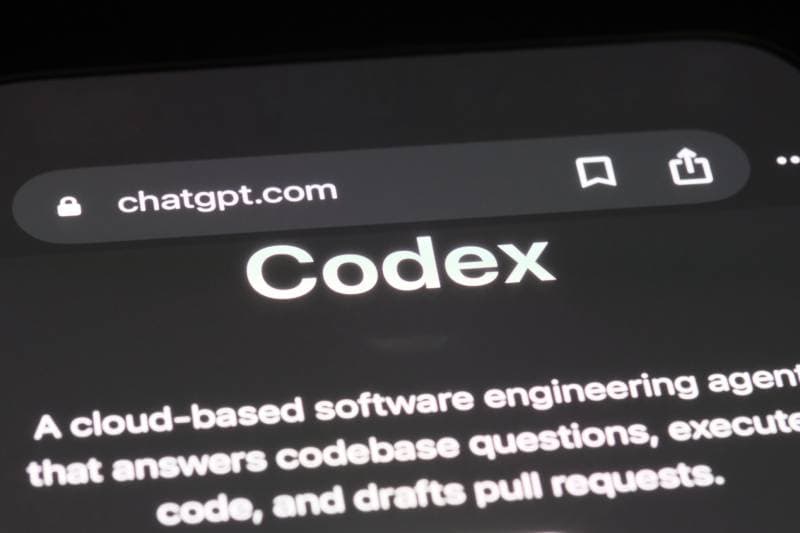
Basically, a flaw in OpenAI's Codex could let hackers steal GitHub login tokens.
OpenAI has fixed a serious flaw in Codex that could allow hackers to steal GitHub tokens. This vulnerability puts user accounts at risk. Immediate action is recommended to secure your GitHub access.
The Flaw
OpenAI recently addressed a critical vulnerability in its Codex tool, which is designed to assist developers by interacting with GitHub repositories. Discovered by BeyondTrust, this flaw could allow attackers to steal GitHub OAuth tokens, which are essential for authenticating users. The vulnerability arises when Codex fails to sanitize the names of GitHub branches, enabling malicious commands to be executed during the cloning process.
When a user runs a prompt against a GitHub repository branch, Codex sets up an environment to handle the request. If the branch name contains malicious bash commands, these can be executed by the container, potentially capturing the user's GitHub token. This token grants high-level permissions, allowing unauthorized access to the user's GitHub account.
What's at Risk
The implications of this vulnerability are significant. An attacker could leverage the stolen token to gain access to sensitive repositories, modify code, or even escalate privileges within shared repositories. BeyondTrust demonstrated this risk through a proof-of-concept attack, which cleverly hid malicious commands in branch names using Unicode characters to bypass GitHub's restrictions. This could lead to severe security breaches if left unaddressed.
Moreover, the vulnerability isn't limited to OAuth tokens. GitHub Installation Access tokens can also be exposed through similar methods, especially when Codex is invoked in comments or pull requests. This broadens the attack surface, making it essential for users to remain vigilant.
Patch Status
After being reported to OpenAI via BugCrowd in December 2025, the company acted quickly. Initial fixes were implemented within a week, and full remediation of the vulnerability was completed by January 2026. OpenAI has classified this vulnerability as critical, emphasizing the need for immediate user action to mitigate risks.
Users are advised to audit the permissions granted to AI coding agents like Codex and to follow the principle of least privilege. Regularly rotating GitHub tokens and monitoring for unusual branch names in shared repositories are also recommended practices.
Immediate Actions
To protect against potential exploitation of this vulnerability, users should take several proactive steps:
- Audit Permissions: Review and limit the permissions granted to Codex and similar tools.
- Monitor Repositories: Keep an eye on shared repositories for any suspicious branch names or activity.
- Rotate Tokens: Regularly change GitHub tokens to minimize the risk of unauthorized access.
By following these guidelines, users can significantly reduce their exposure to this vulnerability and enhance their overall security posture when using AI coding tools.