🎯Basically, some Republicans stopped a law that lets the FBI spy on Americans without a warrant.
What Happened
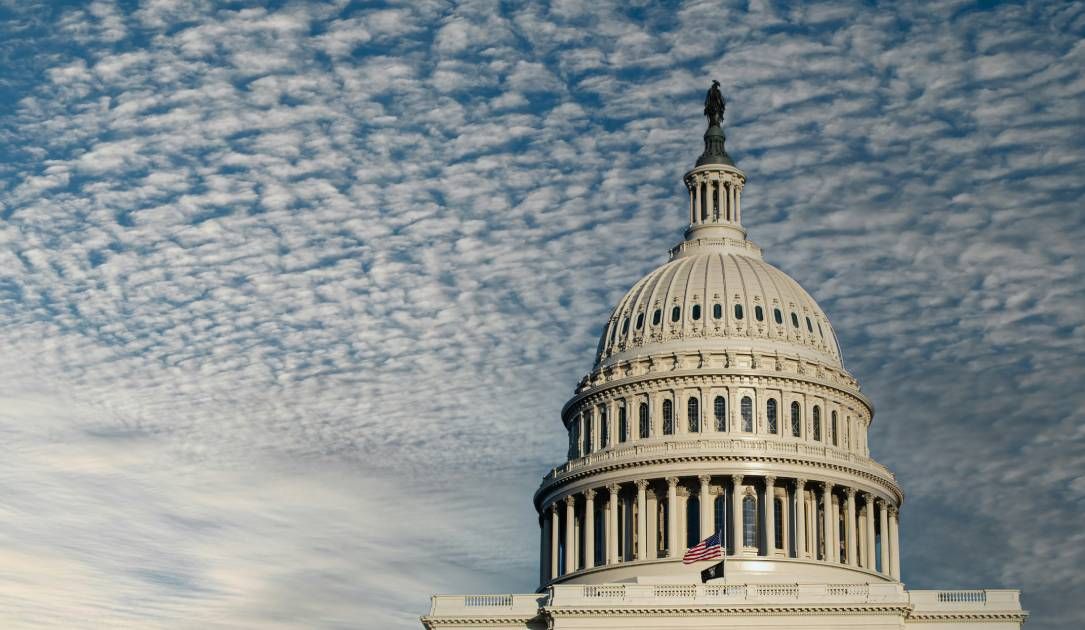
In a dramatic turn of events, House Speaker Mike Johnson called lawmakers back for a late-night vote that ultimately failed to extend Section 702 of the Foreign Intelligence Surveillance Act (FISA). This program allows federal agents to access communications of Americans without a warrant, leading to significant privacy concerns. Despite efforts from President Donald Trump and GOP leadership, twenty Republicans broke ranks, signaling a growing bipartisan resistance against warrantless surveillance.
Who's Affected
The failure to extend Section 702 impacts all Americans, as the program has been used to surveil various groups, including members of Congress, political donors, and protesters. The FBI has a documented history of querying this data for political purposes, raising alarms about civil liberties and government overreach.
What Data Was Exposed
The Section 702 program allows the interception of vast amounts of communications, including emails, texts, and phone calls. Although it is intended to target foreign agents, it often captures significant data from American citizens without their consent. This includes sensitive information from political activists and ordinary citizens alike.
What You Should Do
As the debate continues, citizens should stay informed about legislative developments regarding surveillance laws. Engaging with local representatives and advocating for privacy rights can help influence future legislation. Additionally, individuals should be aware of their digital privacy and consider using encryption tools to protect their communications.
Background on Section 702
Section 702 has been a contentious issue in U.S. politics, with critics arguing that it undermines constitutional rights. The program's authorization is set to expire soon, and its future remains uncertain as Congress grapples with the implications of warrantless surveillance. The recent revolt highlights the divisions within the Republican Party and the growing call for accountability in government surveillance practices.
Next Steps
Following the failed vote, the Senate has approved a temporary 10-day extension of Section 702, allowing the program to continue while further discussions take place. The situation remains fluid, and the outcome will depend on ongoing negotiations between party leaders and lawmakers committed to reforming surveillance practices.
🔒 Pro insight: The pushback against Section 702 reflects a critical shift in bipartisan attitudes towards surveillance and privacy rights in the U.S.