Russia Accuses Journalist of Aiding Cyberattacks for Ukraine
High severity — significant development or major threat actor activity
Basically, Russia claims a journalist helped Ukraine with cyberattacks.
Russia has detained a journalist for allegedly aiding Ukraine's cyberattacks. This highlights the ongoing cyber conflict and the risks of information sharing during war. Authorities are intensifying their crackdown on dissent through platforms like Telegram.
What Happened
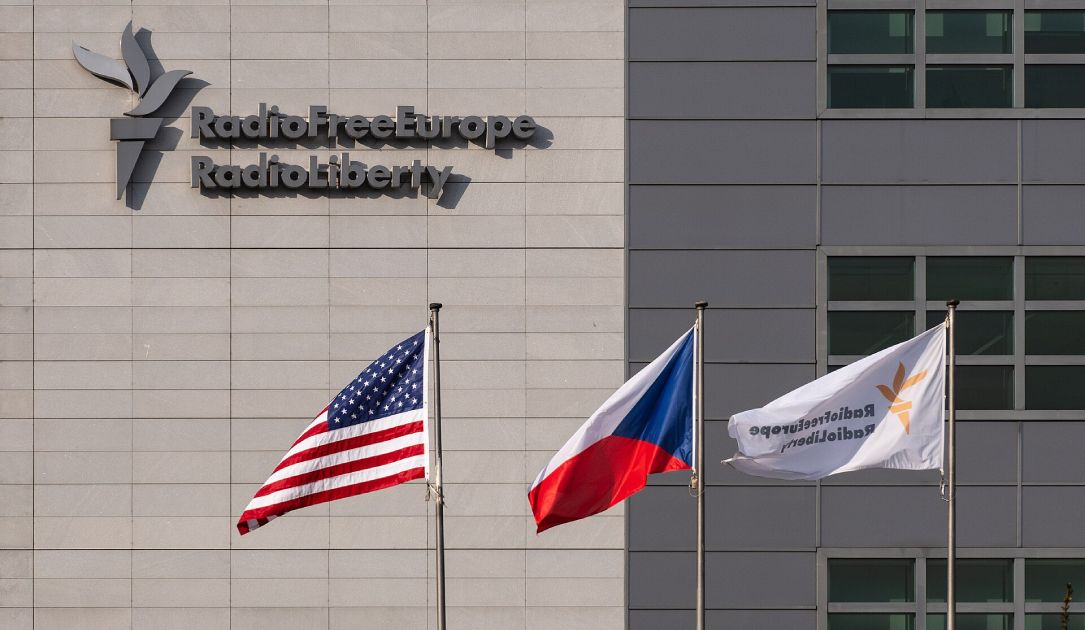
Russian authorities have detained a former journalist for Radio Free Europe, accusing him of treason. The Federal Security Service (FSB) alleges that he provided information to Ukraine that facilitated cyberattacks against Russian targets. The suspect reportedly joined a Telegram channel controlled by Ukraine’s Security Service (SBU), sharing details about a local publication and critical infrastructure.
Who's Affected
The detained individual, believed to be Alexander Andreyev, is a 65-year-old journalist from the Zabaykalsky region. His work with Radio Free Europe in the early 2010s and his current stance against the Russian government have drawn scrutiny. This case reflects broader tensions between Russia and Ukraine, particularly in the realm of information warfare.
What Data Was Exposed
The FSB claims that the information shared by the journalist included sensitive details about critical infrastructure and local media coverage of the war. This data was allegedly used to assist in cyberattacks, highlighting the risks associated with information leaks during conflicts.
What You Should Do
For those in similar situations, it’s crucial to be aware of the legal implications of sharing information, especially in conflict zones. Journalists and activists should take care to secure their communications and be mindful of the platforms they use, such as Telegram, which has been targeted by Russian authorities.
The Broader Context
This incident is part of a larger trend where Russian authorities are cracking down on dissent and information sharing, particularly through platforms like Telegram. Recent actions have included detaining individuals suspected of promoting anti-government sentiments and investigating media outlets for alleged ties to banned organizations. The FSB's actions against the journalist and the search of Novaya Gazeta’s newsroom illustrate the ongoing battle over information control in Russia.
Implications for Cybersecurity
As the conflict between Russia and Ukraine continues, the role of cyberattacks and information warfare becomes increasingly significant. The use of platforms like Telegram for communication and information dissemination poses both opportunities and risks. Journalists and activists must navigate these challenges carefully to avoid legal repercussions and ensure their safety.
🗺️ MITRE ATT&CK Techniques
🔒 Pro insight: This case underscores the critical intersection of journalism and cybersecurity in conflict zones, where information can be weaponized.