🎯Cybersecurity breaches are like someone breaking into a store and stealing your personal information. This can lead to problems like identity theft and fraud, affecting not just the store but also you and many others. It’s important to protect your data just like you would lock your doors at home.
What Happened
Cybersecurity breaches have become a common occurrence, affecting millions of people worldwide. Recent studies show that nearly 60% of adults have experienced some form of data breach in their lives. These incidents not only compromise personal information but also erode trust in digital systems.
As technology advances, so do the tactics of cybercriminals. From identity theft to financial fraud, the repercussions of these breaches can be devastating. Companies, governments, and individuals are all at risk, leading to a growing concern about the safety of our digital lives. When attackers breach a business, it is often customer information that ends up in criminal hands, leading to long-term consequences such as identity theft, tax fraud, and credit card fraud.
Why Should You Care
You might think, "It won't happen to me," but the truth is, cybersecurity breaches can strike anyone. Imagine leaving your front door unlocked; you wouldn't do that, right? Similarly, neglecting cybersecurity puts your personal information at risk. Your bank details, social media accounts, and even your job can be jeopardized by a single breach.
In today's interconnected world, your digital footprint is extensive. Every time you shop online or use social media, you leave traces of your personal data. If a breach occurs, it can lead to identity theft, financial loss, and even emotional distress. Protecting your data is not just a technical issue; it’s a personal one. The fallout from breaches is often just the start of a lengthy cleanup process for victims, who may need to freeze credit, replace cards, and monitor for suspicious transactions.
What's Being Done
Governments and organizations are taking steps to combat these breaches. Many are implementing stricter regulations and enhancing cybersecurity measures. The Federal Trade Commission (FTC) advises consumers to use IdentityTheft.gov after a breach and recommends steps like credit freezes and fraud alerts to reduce the chance of further abuse. Here’s what you can do right now:
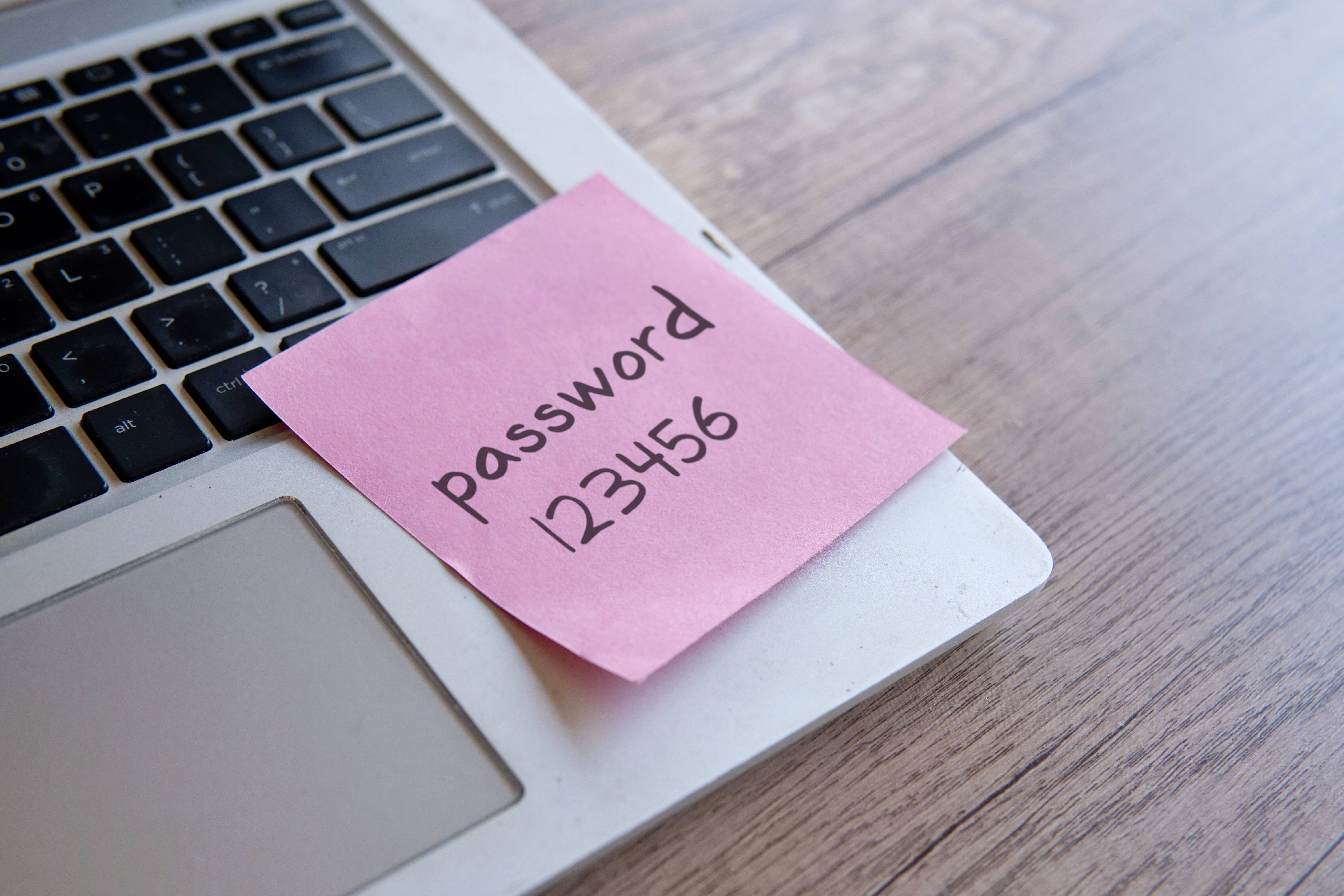
- Regularly update your passwords and use two-factor authentication.
- Monitor your financial statements for unusual activity.
- Educate yourself about phishing scams and other common tactics used by cybercriminals.
Experts are closely watching these trends to see how they evolve. As technology continues to develop, so will the methods used by cybercriminals. Staying informed is your best defense.
The Broader Impact
Cybercrime doesn't just affect individuals; it can disrupt essential services and infrastructure. Ransomware attacks can interrupt payment systems, telecom services, and even energy distribution. The consumer impact is immediate, as people may find themselves unable to pay, travel, or communicate normally. Furthermore, the aftermath of a breach often includes a wave of disinformation, where attackers flood victims with fake notifications and phishing attempts, complicating the recovery process.
The security backlash following a breach can also make digital life more cumbersome for consumers, as companies tighten access rules and increase security measures. This can lead to frustration for users who are left to navigate a more complicated digital landscape due to issues they did not create. Thus, company-targeted cybercrime is not just a business issue; it is a consumer issue, a public-trust issue, and sometimes even a national security issue. Knowing this, it’s worth considering which companies to trust with your data and how much information you’re willing to share.
The societal implications of cybersecurity breaches are profound. As attacks increasingly target businesses, the ripple effects are felt by consumers who face identity theft, service disruptions, and a heightened sense of insecurity in their digital lives.