Russian Cyber Unit Exposed for Hijacking Home Routers
High severity — significant development or major threat actor activity
Basically, Russian hackers are breaking into home routers to spy on people online.
UK officials have exposed a Russian cyber unit hijacking home routers to spy on users. Weak security settings are being exploited, putting sensitive data at risk. Organizations are urged to secure their devices.
What Happened
British security officials have revealed that hackers linked to Russian military intelligence are exploiting vulnerable home and small office routers. This ongoing campaign aims to hijack internet traffic and spy on unsuspecting victims. The National Cyber Security Centre (NCSC) has issued a technical advisory detailing these activities.
Who's Behind It
The hacking group, commonly known as Fancy Bear, BlueDelta, or APT28, is believed to be Unit 26165 of Russia's GRU military intelligence agency. This group has a notorious history of cyberattacks, including attempts to breach logistics providers and technology firms supporting Ukraine.
How They Operate
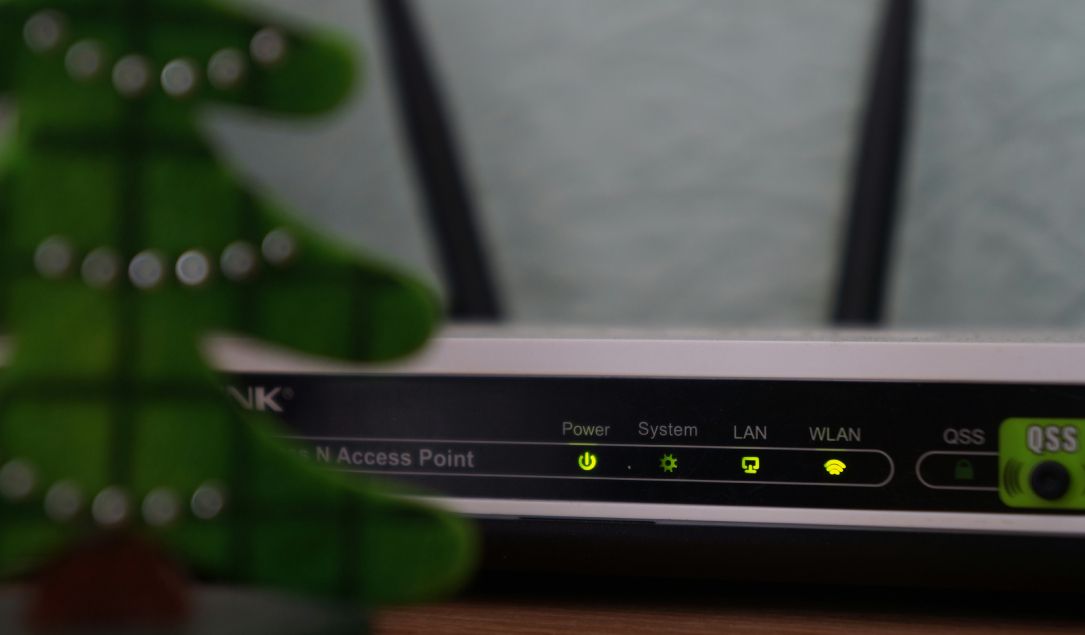
The hackers primarily target widely used TP-Link router models, which are often sold to consumers and small businesses. Many of these devices are vulnerable due to weak security settings or outdated software. The attackers exploit the Simple Network Management Protocol (SNMP), using default or weak passwords to gain access.
Once inside the router, they can alter settings to redirect internet traffic through their own servers, enabling adversary-in-the-middle attacks. This technique allows them to intercept sensitive data, such as login credentials and authentication tokens, or redirect users to fraudulent websites.
What Data Is at Risk
The compromised routers can expose a variety of sensitive information. This includes:
- Login credentials
- Authentication tokens
- Personal data from users accessing the internet through the compromised router
What You Should Do
The NCSC has recommended several actions to mitigate these risks:
- Secure management interfaces of routers
- Restrict or disable SNMP where it is not necessary
- Upgrade to more secure versions of SNMP
- Regularly apply security updates to router firmware
Paul Chichester, the NCSC’s director of operations, emphasized the importance of addressing these vulnerabilities. He stated, "Exploited weaknesses in widely used devices can be leveraged by state-backed actors."
Conclusion
As Russian cyber units continue their espionage campaigns against various targets, it is crucial for organizations and individuals to take proactive measures to secure their network devices. Awareness and action can significantly reduce the risk of falling victim to such sophisticated attacks.
🔍 How to Check If You're Affected
- 1.Check router settings for unauthorized changes.
- 2.Ensure SNMP is disabled or secured with strong passwords.
- 3.Regularly update router firmware to the latest version.
- 4.Monitor network traffic for unusual activity.
🗺️ MITRE ATT&CK Techniques
🔒 Pro insight: This campaign underscores the critical need for robust security practices in consumer-grade networking devices, often overlooked in enterprise environments.