🎯Cybersecurity is like keeping your house safe. Just like you lock your doors and check for fire alarms, you need to keep your software updated and be careful with emails to protect your personal information.
What Happened
In the fast-paced world of cybersecurity, staying updated is crucial. From data breaches to new vulnerabilities, each week brings significant developments that can impact you and your organization. During the week of February 23 to March 1, 2026, several noteworthy events occurred that every security-conscious individual should know about.
One major highlight was the discovery of a new vulnerability affecting popular software used by millions. This flaw could allow hackers to gain unauthorized access to sensitive data. Additionally, several companies reported data breaches, exposing the personal information of thousands of customers. These incidents serve as a stark reminder of the ever-present threats in the digital landscape.
Another key topic was the rise of phishing attacks targeting remote workers, as cybercriminals exploit the ongoing shift to remote work. These attacks often come disguised as legitimate emails, tricking users into revealing their passwords or downloading malicious software. The week was packed with discussions around these pressing issues, emphasizing the need for heightened vigilance in cybersecurity practices.
Moreover, reports have surfaced about WhatsApp on Windows users being targeted in a new phishing campaign, which highlights the adaptability of cybercriminals to exploit widely used communication platforms. This trend suggests that users should be especially cautious when receiving unexpected messages or links.
In the realm of software updates, Apple has expanded its DarkSword patches to address vulnerabilities in iOS and iPadOS, reinforcing the critical need for timely updates to safeguard devices against known threats.
Why Should You Care
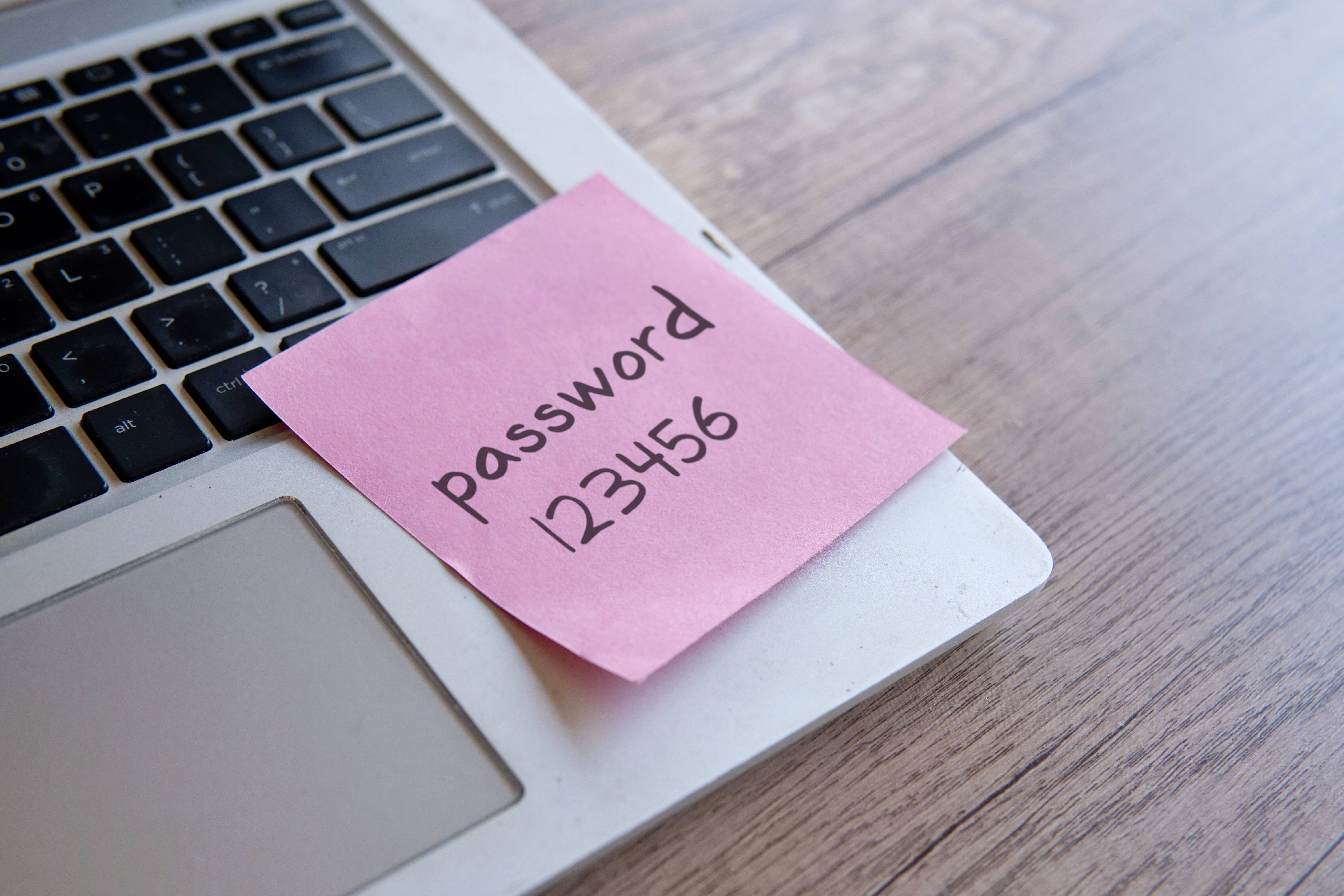
You might think cybersecurity is just for tech experts, but it affects everyone. Your personal data, like bank details and social media accounts, can be compromised if you're not careful. Imagine leaving your front door unlocked; that's what it’s like when you use weak passwords or ignore software updates.
Staying informed about these events is essential for protecting yourself and your loved ones. Just like you wouldn’t ignore a fire alarm, don’t overlook warnings about security threats. Understanding the risks can help you make better choices online, keeping your information safe from prying eyes.
What's Being Done
Fortunately, cybersecurity experts and organizations are not sitting idle. Many companies are rolling out patches to fix the vulnerabilities discovered last week. Here’s what you can do to stay safe:
- Update your software regularly to protect against known vulnerabilities, including the latest updates from Apple and other software providers.
- Use strong, unique passwords for different accounts to minimize the risk of breaches.
- Be cautious with emails, especially those asking for sensitive information or containing links to unknown sources.
Experts are closely monitoring these trends, particularly the increase in phishing attacks targeting platforms like WhatsApp, to develop more effective defenses. As the cybersecurity landscape evolves, staying proactive is your best bet against potential threats.
The expansion of vulnerabilities in popular software and the rise of phishing campaigns highlight the need for continual vigilance and proactive measures in cybersecurity.