White House Executive Order - Limits Mail-in Voting Process
Basically, the White House is trying to change mail-in voting rules, but many think it's illegal.
The White House has issued a controversial executive order limiting mail-in voting and mandating federal voter lists. This move is expected to face immediate legal challenges, raising significant constitutional concerns. Stay informed about how these changes could affect your voting rights.
What Happened
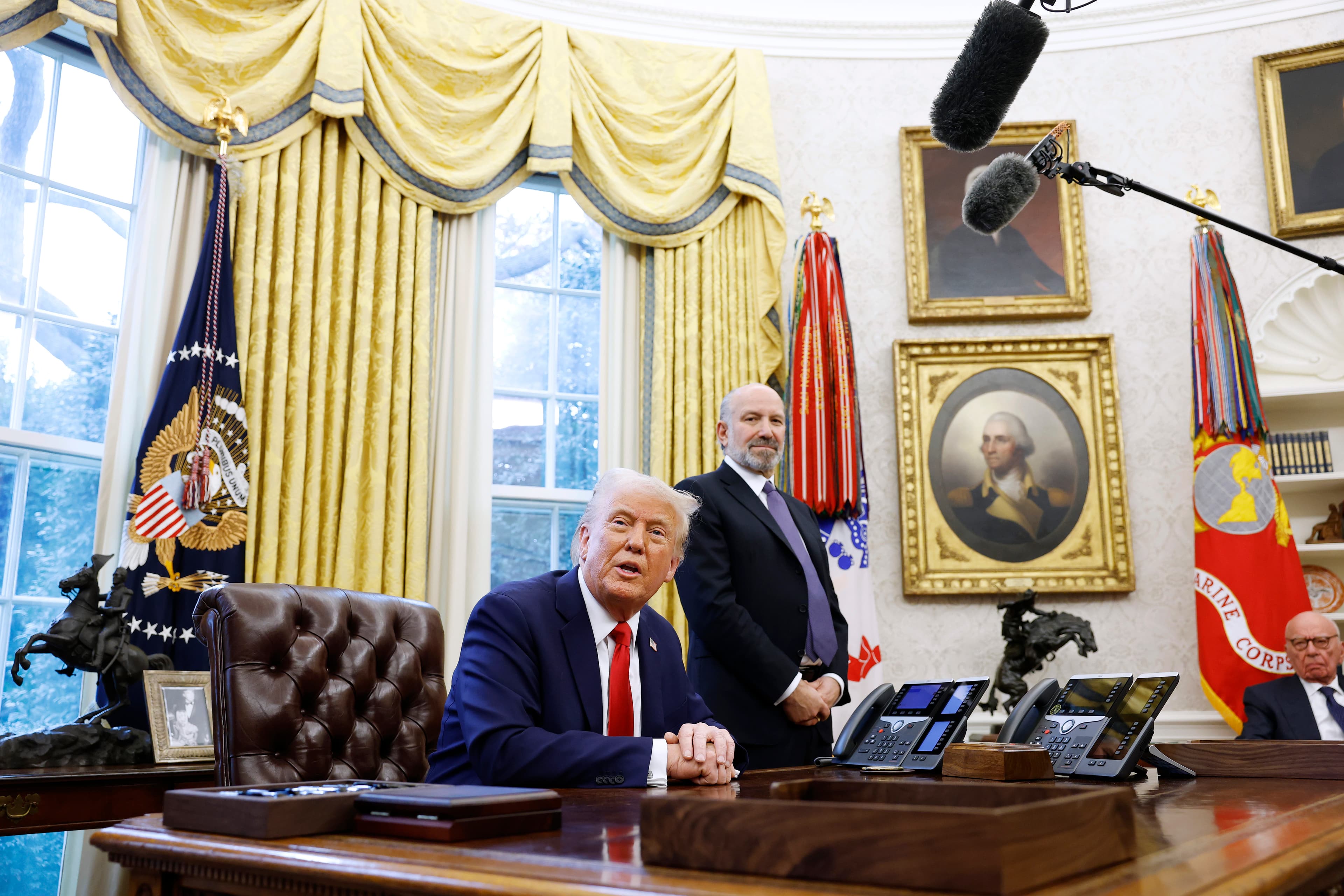
On April 1, 2026, President Donald Trump signed an executive order aimed at limiting mail-in voting across the United States. The order directs various federal agencies to compile lists of voters, including their citizenship status, using databases that have faced criticism for their reliability. This move is seen as an attempt to exert federal control over the voting process, which traditionally falls under state jurisdiction.
The order mandates that the Department of Justice prioritize investigations into any state or local officials who issue ballots to ineligible voters. Additionally, it requires the postmaster general to implement new regulations for mail-in ballots, including special tracking envelopes. Critics argue that this order will likely face legal challenges, echoing previous attempts by the Trump administration that were deemed unconstitutional by the courts.
Who's Affected
The executive order impacts millions of voters who rely on mail-in ballots, particularly those in states that have already rejected similar federal mandates. Election officials and state secretaries are already expressing their intent to challenge the order in court. Minnesota Secretary of State Steve Simon has stated that his office is exploring legal options to prevent the order from taking effect, emphasizing that mail-in voting is secure and well-regulated.
This order not only affects voters but also places additional burdens on local election officials who must navigate the complexities of federal and state regulations. The implications of this order could disrupt the voting process for nearly 50 million Americans who utilized mail-in voting in the previous election.
What Data Was Exposed
While the executive order does not directly expose personal data, it raises concerns about the privacy of voter information. By mandating the compilation of federal voter lists, the administration intends to verify citizenship status, which critics argue could lead to misuse of sensitive information. The reliance on the Systemic Alien Verification for Entitlements database has also drawn scrutiny for its accuracy and potential to misidentify eligible voters.
The order's justification hinges on the claim of preventing non-citizen voting, a phenomenon that has been shown to be exceedingly rare. Critics argue that the administration's focus on this issue is unfounded and could lead to unnecessary complications in the voting process.
What You Should Do
If you are a voter, stay informed about the developments surrounding this executive order. Monitor updates from your state election office regarding any changes to mail-in voting procedures. It is crucial to ensure that your voter registration is up to date and that you understand the requirements for casting your ballot.
Engage with local advocacy groups that support voting rights to voice your concerns about the potential impact of this order. Legal challenges are expected, so staying informed will help you navigate any changes that may arise in the voting process. Remember, your vote is your voice, and understanding your rights is essential in these evolving circumstances.