🎯Basically, there are security flaws in Windows and Adobe that hackers can use to take control of computers.
What Happened
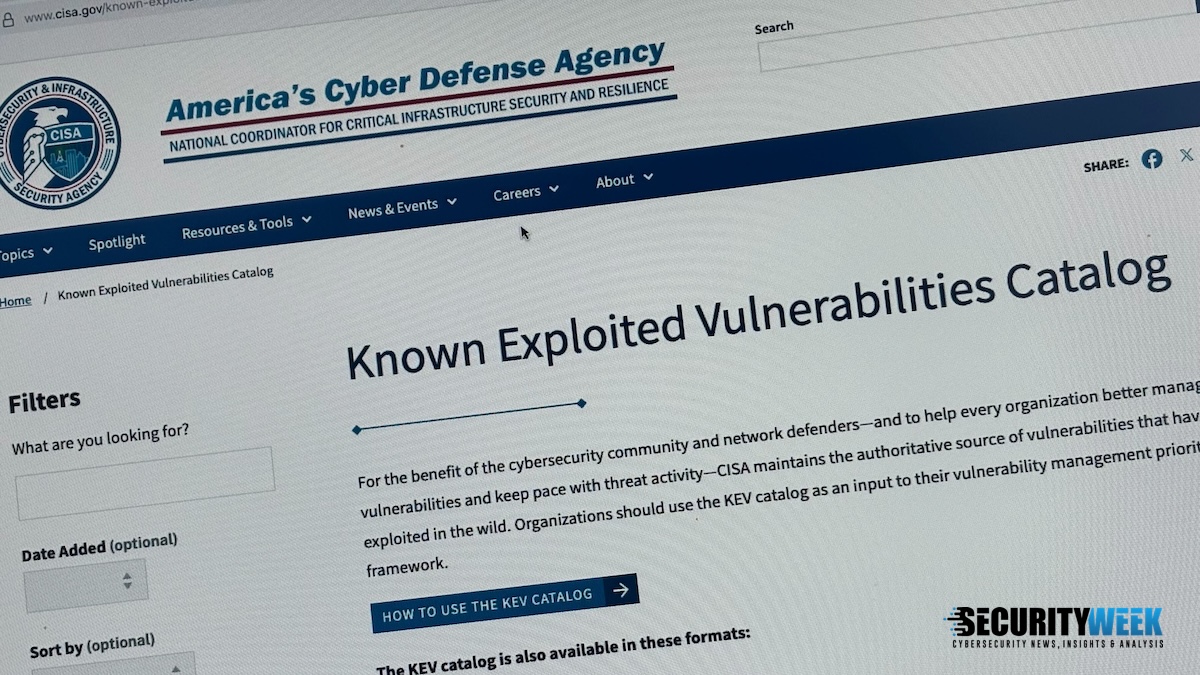
The U.S. Cybersecurity and Infrastructure Security Agency (CISA) recently expanded its Known Exploited Vulnerabilities (KEV) catalog, adding seven significant vulnerabilities, including two affecting Microsoft Windows. These flaws allow attackers to escalate privileges and execute arbitrary code remotely, posing a serious risk to organizations.
The Flaw
One of the Windows vulnerabilities, tracked as CVE-2023-36424, is a common log file driver issue that could lead to privilege escalation. Microsoft had released patches for this vulnerability back in November 2023, but technical details and proof-of-concept (PoC) code targeting it became public shortly thereafter. The second Windows flaw, CVE-2025-60710, involves a link-following vulnerability in the host process for Windows Tasks, which also permits privilege escalation. Patches for this vulnerability were released in November 2025.
What's at Risk
In addition to the Windows vulnerabilities, CISA highlighted CVE-2020-9715, a use-after-free bug in Adobe Acrobat and Reader. This flaw can lead to arbitrary code execution and has been publicly known since it was patched in August 2020. The potential for exploitation remains high, especially with PoC code available for years.
Other Vulnerabilities
CISA also added CVE-2023-21529, an Exchange vulnerability linked to the Medusa ransomware gang, and two newly disclosed vulnerabilities in Adobe Acrobat and Reader—CVE-2026-34621 and CVE-2026-21643—which have been exploited as zero-days, allowing remote attackers to execute arbitrary code on vulnerable systems.
What You Should Do
Organizations, particularly federal agencies, are urged to apply fixes for these vulnerabilities within two weeks. The Fortinet bug requires more immediate attention, with a patch deadline set for April 16. Ignoring these vulnerabilities could lead to severe security breaches and operational disruptions.
In summary, the recent warnings from CISA highlight critical vulnerabilities in widely used software. Organizations must prioritize patching to mitigate the risks associated with these security flaws.
🔒 Pro insight: The presence of PoC for these vulnerabilities suggests imminent exploitation; organizations must prioritize patching to avert attacks.


