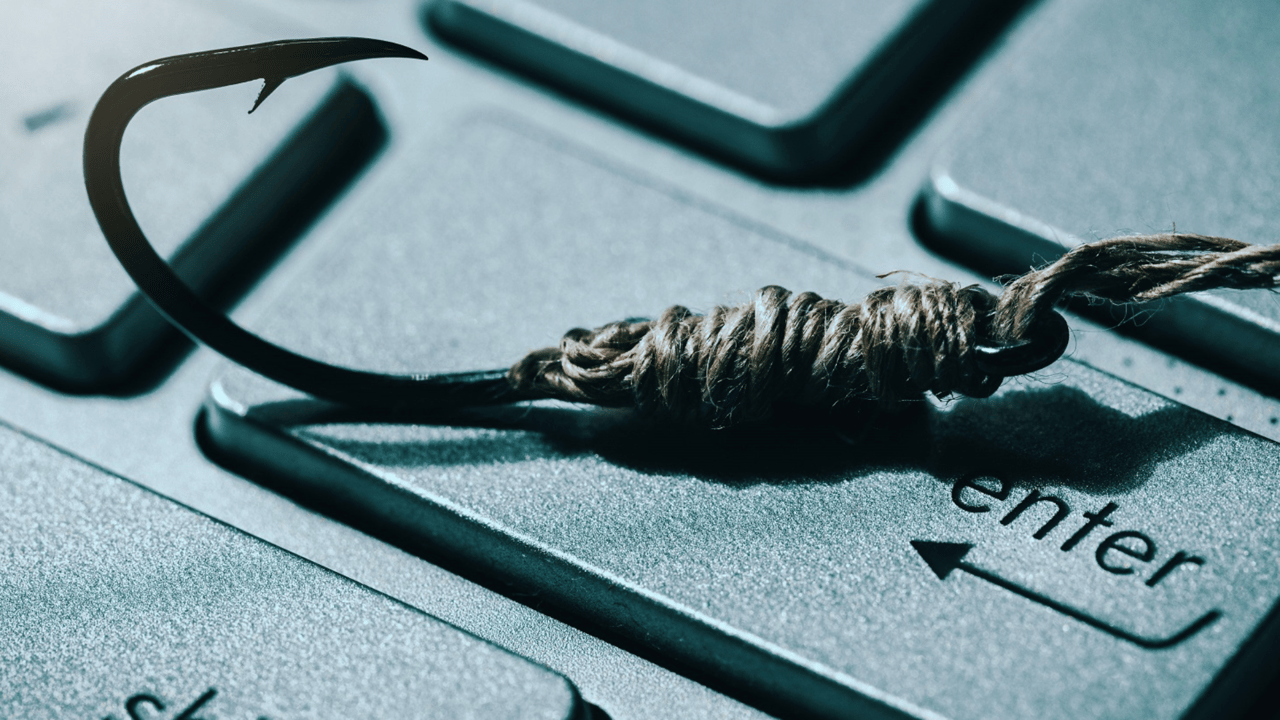
🎯Basically, scammers pretend to be customer support to steal your credit card info.
What Happened
A recent social engineering campaign has emerged, utilizing LiveChat to impersonate reputable companies like PayPal and Amazon. This tactic allows attackers to engage directly with potential victims, making their schemes appear legitimate. By mimicking customer support interactions, they trick users into revealing sensitive information, including credit card details and personal data.
The campaign leverages the trust that users place in well-known brands. When users seek assistance, they may inadvertently share information with these scammers, believing they are communicating with genuine customer service representatives. This method of operation raises significant concerns about the effectiveness of current security measures in protecting consumers.
Who's Being Targeted
The primary targets of this phishing campaign are individuals who frequently use online shopping and payment platforms. Users of PayPal and Amazon are particularly vulnerable, as they often rely on customer support for assistance with transactions or account issues. The attackers aim to exploit the trust these users have in these platforms, making them more likely to divulge sensitive information. Additionally, the campaign may also affect businesses that utilize LiveChat for customer interactions. If customers fall victim to these scams, it can lead to reputational damage and financial loss for the companies involved. This highlights the broader impact of such phishing tactics on both consumers and businesses.
Signs of Infection
Victims of this phishing scheme may notice several warning signs. Common indicators include unsolicited requests for personal information during LiveChat sessions and pressure tactics urging immediate action. Users might receive messages that appear to be from customer support, asking them to verify their accounts or provide sensitive data.
Another red flag is the use of generic greetings or language that doesn’t match the usual communication style of the legitimate company. If something feels off during a customer support interaction, it’s essential to proceed with caution and verify the identity of the representative before sharing any information.
How to Stay Safe
To protect yourself from falling victim to this phishing campaign, it’s crucial to remain vigilant. Always verify the identity of customer support representatives by contacting the company directly through official channels. Avoid sharing sensitive information unless you are certain of the legitimacy of the interaction.
Additionally, consider enabling two-factor authentication on your accounts to add an extra layer of security. Regularly monitor your financial statements for any unauthorized transactions, and report any suspicious activity to your bank or credit card provider immediately. By taking these proactive steps, you can significantly reduce the risk of becoming a victim of phishing scams.
🔒 Pro insight: This campaign highlights the need for enhanced customer verification processes to combat evolving phishing tactics effectively.