🎯Basically, cybercriminals now run fraud operations like businesses, hiring and training scammers.
What Happened
Fraudulent phone calls have become a daily reality for millions, with scammers impersonating law enforcement, bank representatives, and tech support agents. This form of cybercrime, known as vishing, has surged dramatically, with reports indicating a 449% increase in 2025. The FBI reported that elderly citizens in the U.S. lost $3.4 billion to such scams in 2023 alone.
The Scam Economy
The emergence of Caller-as-a-Service represents a new frontier in organized crime. Much like legitimate businesses, these operations have adopted structured models that include recruitment, training, and performance tracking. Each participant in this ecosystem has a defined role, from malware developers to scam callers, allowing them to specialize and improve efficiency.
Recruitment Strategies
Underground recruitment tactics mirror those of legitimate companies. Scammers showcase high balances in cryptocurrency wallets to attract new recruits, using these visuals as proof of profitability. Job postings in underground forums specify requirements such as native English proficiency and prior fraud experience, emphasizing the importance of communication skills and psychological manipulation.
Compensation Models
Compensation for scam callers varies, with models including fixed payments and success-based incentives. Some callers receive a percentage of the funds extracted, while others earn fixed payments per successful call. This structured approach to compensation reflects a professionalization of fraud operations, making them more efficient and appealing to recruits.
Implications for Defenders
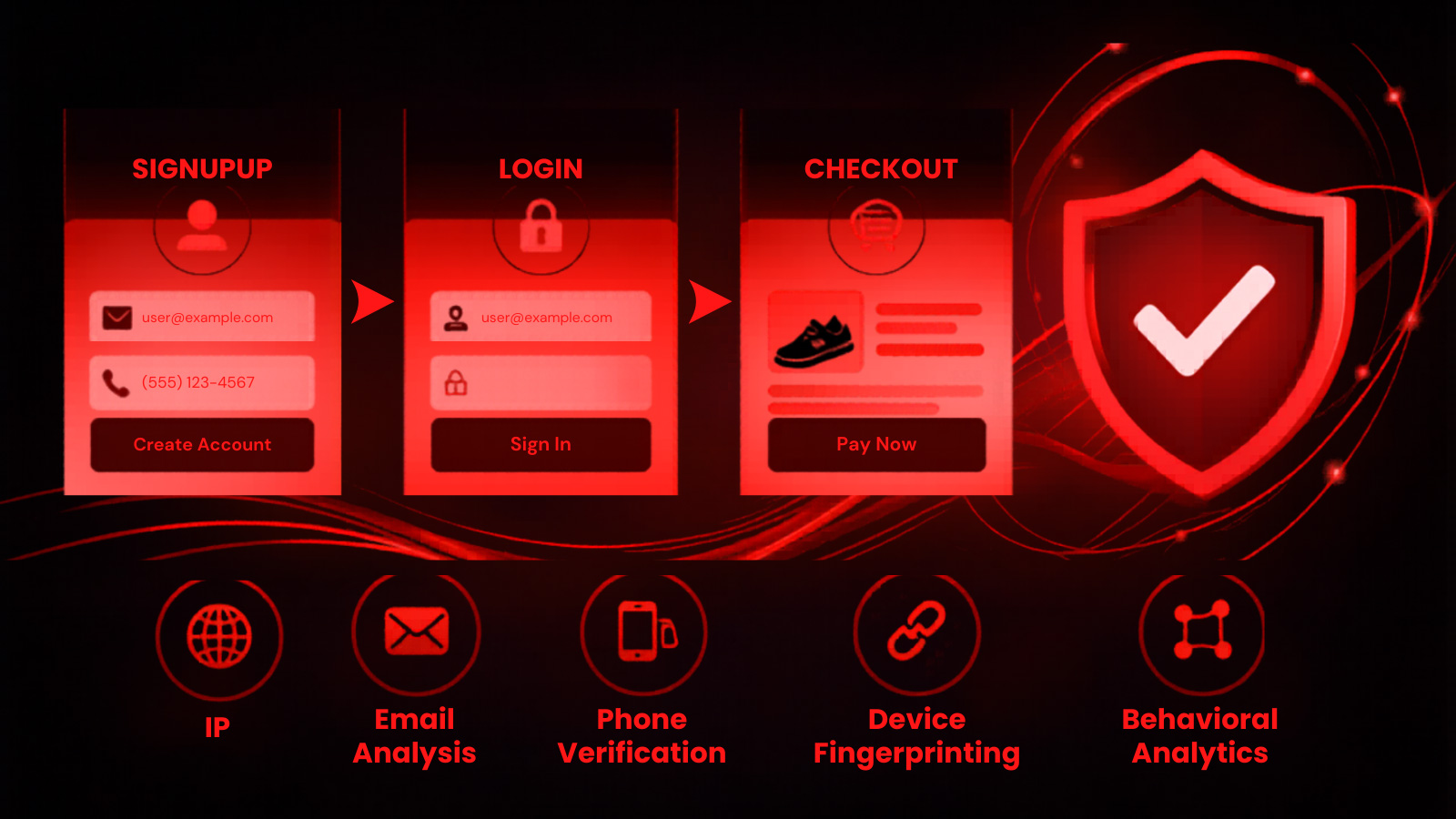
The rise of structured fraud operations poses significant challenges for both individuals and organizations. The decentralized nature of these scams makes them difficult to disrupt. Defenders should focus on implementing stronger identity verification mechanisms, behavioral anomaly detection, and user awareness training to combat these threats. Individuals must remain vigilant against unsolicited calls, especially those that create urgency or request sensitive information.
How to Protect Yourself
To safeguard against these scams, consider the following steps: By understanding the tactics employed in Caller-as-a-Service fraud, individuals can better protect themselves against these increasingly sophisticated scams.
Identify
- 1.Enable multi-factor authentication (MFA) to add a layer of security to your accounts.
- 2.Be cautious of unsolicited calls that pressure you into immediate action.
Protect
🔒 Pro insight: The industrialization of fraud through Caller-as-a-Service highlights the need for enhanced user education and robust verification processes to combat sophisticated scams.